MEDINDIA
 English
 हिन्दी
 Español
 français
 中文
中文
Small-scale studies in patients with osteoporosis have reported positive results from dietary supplementation with probiotics.
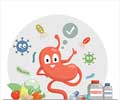
Probiotics - Support System for the Gut
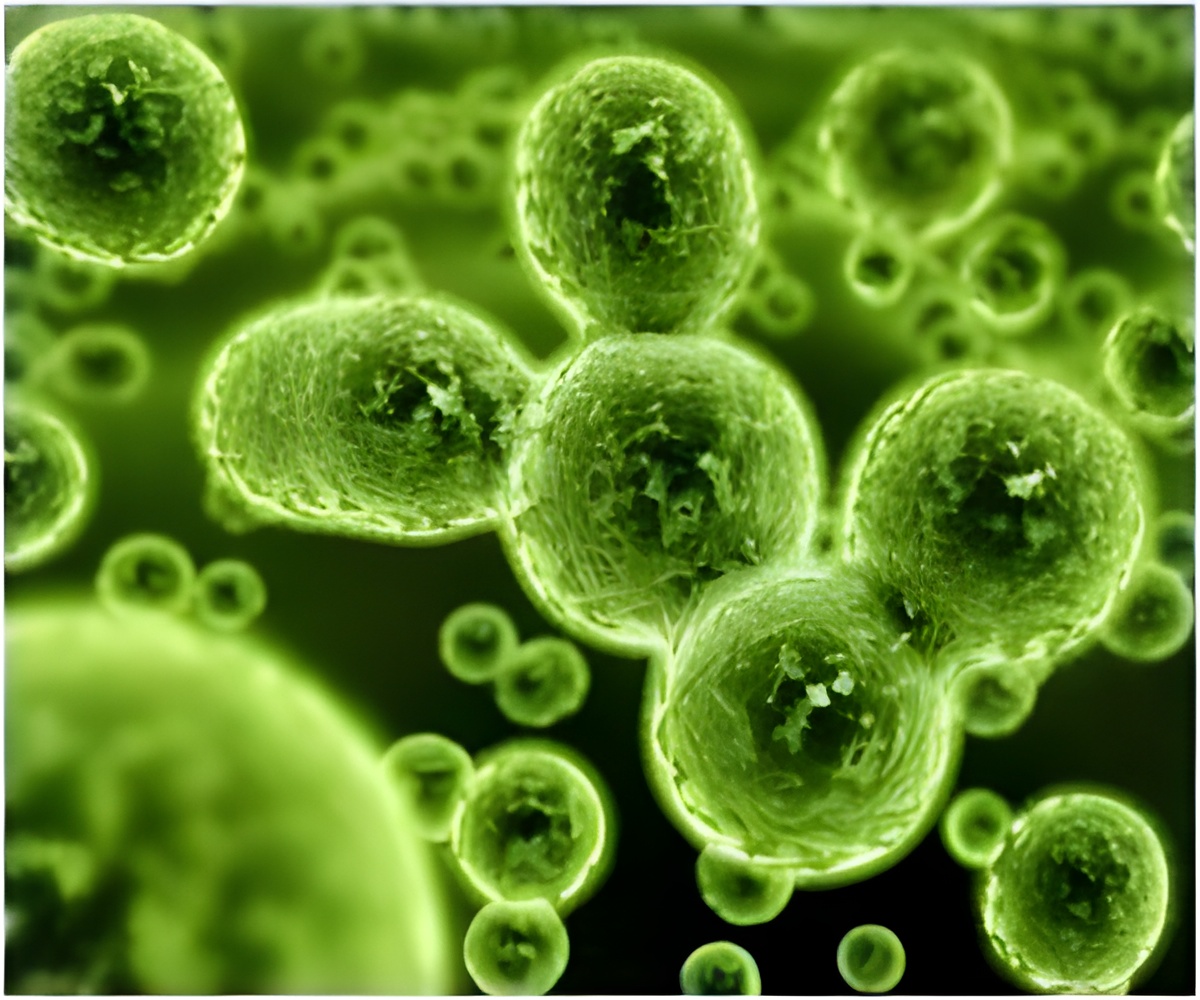
Probiotics are live microorganisms that resemble the “good bacteria” in our gut. Science is yet to fully explore the healing potential of probiotics; meanwhile some studies have ruled in their favor.
Probiotics are live microorganisms that resemble the “good bacteria” in our gut. Science is yet to fully explore the healing potential of probiotics; meanwhile some studies have ruled in their favor.
TOP INSIGHT

Small-scale studies in patients with osteoporosis have reported positive results from dietary supplementation with probiotics.
In animals, probiotics can prevent disease-related bone loss, but their influence on the healthy skeleton remains less clear. "Because their mechanism of action in bone is unknown, they are regarded as some kind of alternative, esoteric, unproven treatment," Pacifici says. "Our goal was to identify a biological mechanism of action of probiotics, a mechanism that makes sense to traditional scientists, hoping that this will make probiotics a mainstream treatment."
In the new study, Pacifici and colleagues found that oral LGG supplementation for four weeks increased bone formation in female mice by stimulating the growth of butyrate-producing gut bacteria, including Clostridia. Notably, LGG supplementation did not increase bone mass in mice raised in a germ-free environment, suggesting that this probiotic indirectly exerts its effects through the metabolic activity of other microbes that normally inhabit the intestines.

About Lifestyle and Osteoporosis
Encyclopedia section of medindia briefly explains about Lifestyle and Osteoporosis
Encyclopedia section of medindia briefly explains about Lifestyle and Osteoporosis
"We were surprised by the potency of the gut microbiome in regulating bone and by the complexity of the mechanism of action of probiotics," Pacifici says. "In general, there is a lot of interest in the concept that the gut bacteria regulate the function of distant organs. How this happens is largely unknown. We described a detailed mechanism by which changes in the composition of the gut microbiome induced by probiotics affect a distant system like the skeleton."

Quiz on Probiotics
Though probiotics have been a part of our diet since ancient times, their use as medicines has been relatively recent. Test your knowledge on probiotics by taking this quiz.
Though probiotics have been a part of our diet since ancient times, their use as medicines has been relatively recent. Test your knowledge on probiotics by taking this quiz.
"The controversies about probiotics are: Do they work for real, and which one is the best?" Pacifici says. "We show that they work for real in bone. Which one is the best remains unknown. However, the emerging concept is that the number of bacteria in a dose of probiotic may be as important or even more important than the type of probiotic used. It is possible that the response to probiotics might be influenced by mouse strain, gender, and age."

Top Foods for Strong Bones
As we get older, our bones start becoming weak, especially in women after menopause. To keep your bones strong, here is the list of recommended top foods.
As we get older, our bones start becoming weak, especially in women after menopause. To keep your bones strong, here is the list of recommended top foods.
"Our findings will need to be validated in human studies," Pacific says. "If successful, this research could substantiate the use of butyrate or probiotics as a novel, safe, and inexpensive treatment for optimizing skeletal development in young people and to prevent osteoporosis in older people."
Source-Eurekalert
 Email
Email