MEDINDIA
 English
 हिन्दी
 Español
 français
 中文
中文
The probiotic Saccharomuces boulardii (S. boulardii) does not prevent clinical relapse in patients with Crohn's disease, despite previous data showing beneficial effects.
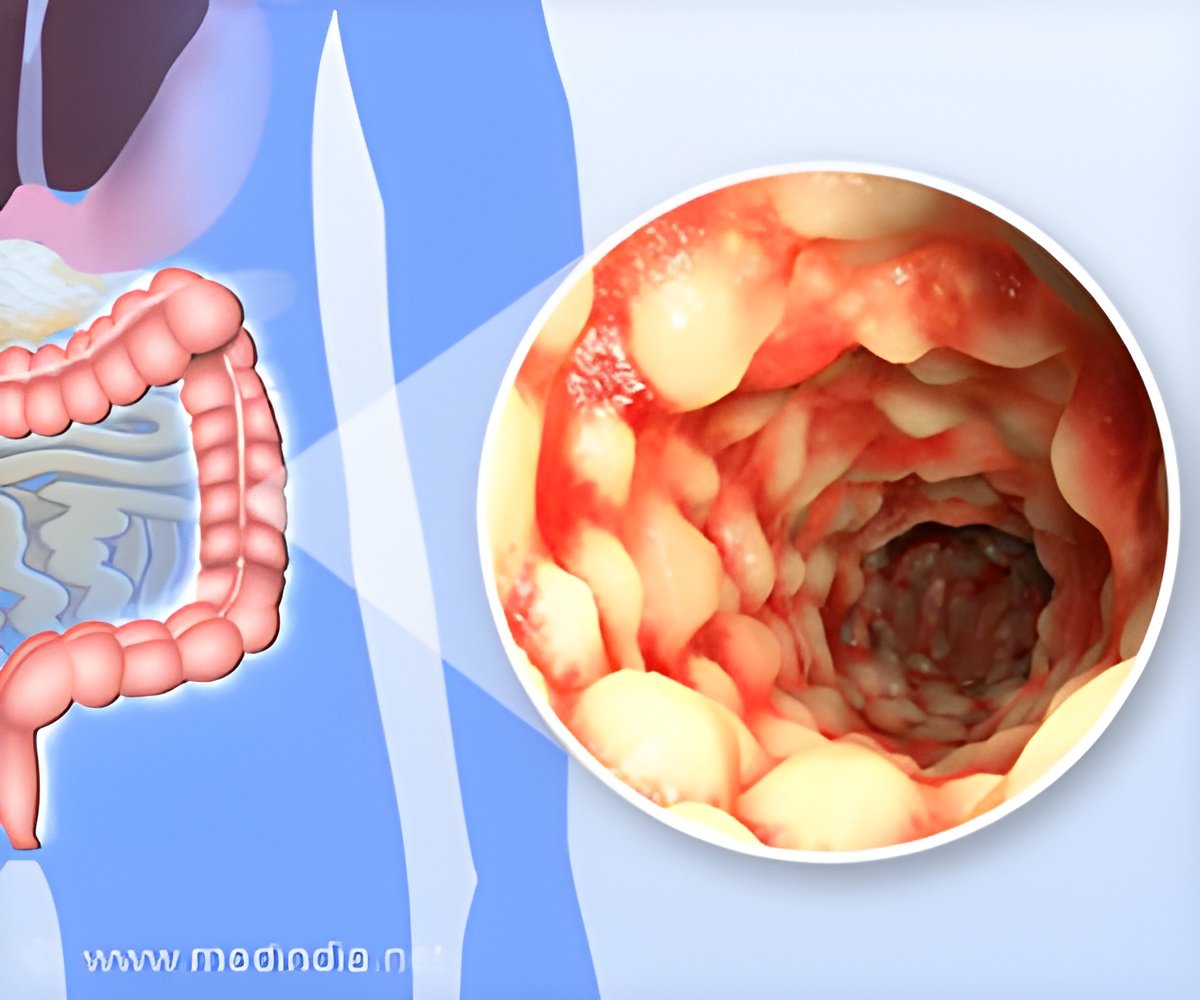

Crohns Disease Could Be Caused By Gaps In The Intestinal Barrier
The human bowel is lined with millions of projections called villi which increase the surface area of the intestine to allow for the efficient absorption of nutrients.
The human bowel is lined with millions of projections called villi which increase the surface area of the intestine to allow for the efficient absorption of nutrients.
While this probiotic showed no positive effects for Crohn's disease patients, further studies are needed to determine the potential therapeutic efficacy of probiotics in other forms of IBD, such as ulcerative colitis, and pouchitis.
Probiotics are living microscopic organisms, or microorganisms, that scientific research has shown to benefit an individual's health. S. boulardii, a probiotic made from a strain of yeast and sold in local drug stores or supermarkets in the form of capsules, has been demonstrated to be effective in the treatment of traveler's diarrhea, diarrhea occurring in subjects infected with the human immunodeficiency virus and the prevention of diarrhea associated with antibiotics.

Gene Variants for Crohn's Disease Identified
Gene variant that raises a child’s risk of Crohn’s disease, which is a chronic and painful condition attributed to inflammation of the gastrointestinal tract.
Gene variant that raises a child’s risk of Crohn’s disease, which is a chronic and painful condition attributed to inflammation of the gastrointestinal tract.

Kids With Crohn's Disease are at Ease Now
Seventeen-year-old Eliot Drieband explains what it’s like to have Crohn’s disease − a type of inflammatory bowel disease .
Seventeen-year-old Eliot Drieband explains what it’s like to have Crohn’s disease − a type of inflammatory bowel disease .

And now they say infections can cause heart disease!!!!
Most people are paranoid about heart disease. One survey said that of all ailments people are most worried about AIDS/HIV, hepatitis and heart
Most people are paranoid about heart disease. One survey said that of all ailments people are most worried about AIDS/HIV, hepatitis and heart
 Email
Email