MEDINDIA
 English
 हिन्दी
 Español
 français
 中文
中文
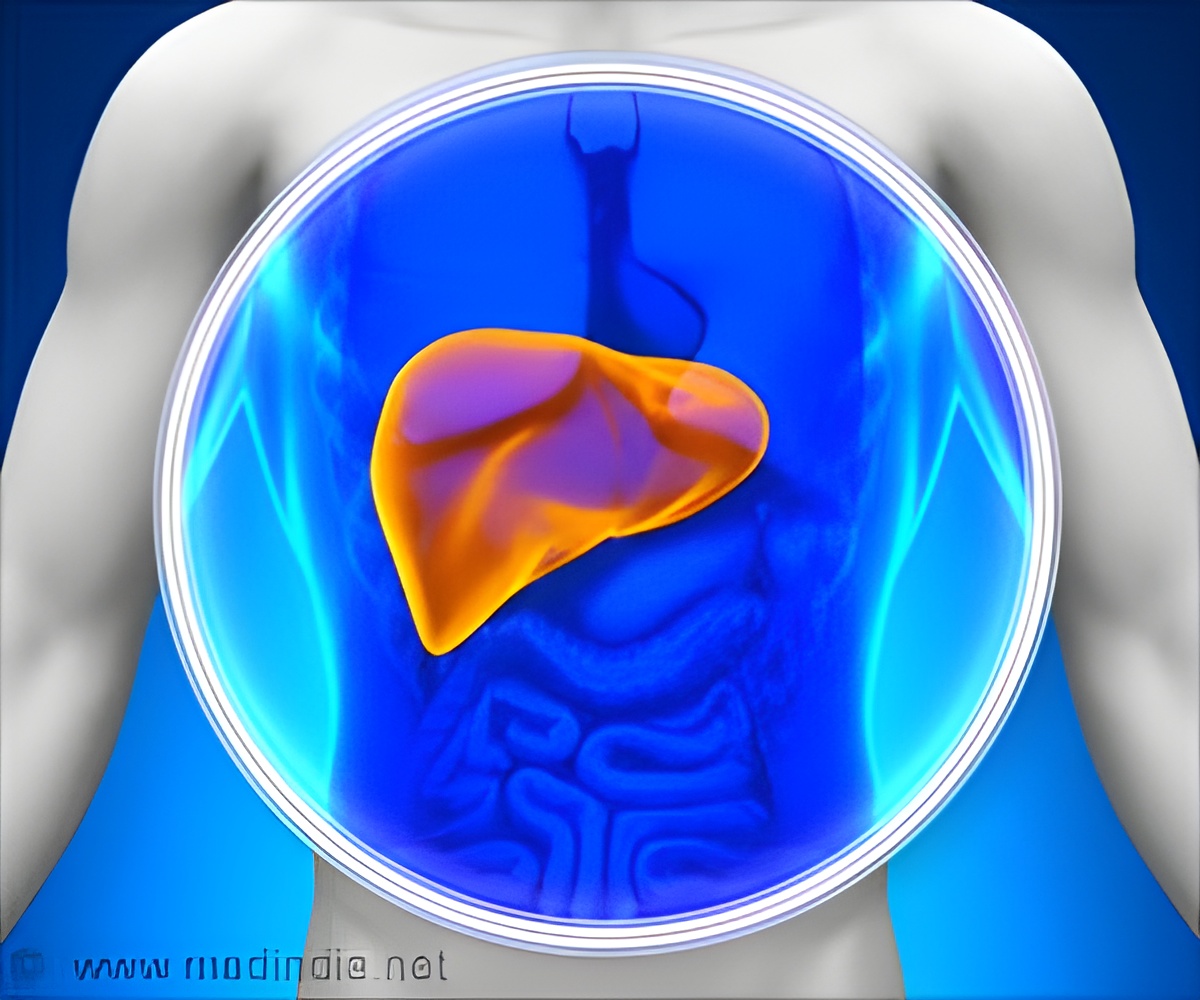
Inflammation has been considered to be a driving force behind many chronic diseases. Liver cancer often develops due to chronic inflammation caused by conditions such as viral hepatitis or alcoholism.
Current Treatments for Liver Cancer | Hepatoma | Hepatocellular Carcinoma
Current Treatments for Liver Cancer (also known as hepatoma or hepatocellular carcinoma) can result in complete cure of the disease if it is detected early.
Current Treatments for Liver Cancer (also known as hepatoma or hepatocellular carcinoma) can result in complete cure of the disease if it is detected early.
Previous studies had led the researchers to hypothesize that AEG-1 is required for the progression and metastasis of liver cancer, but not initial tumor formation. However, the current results show AEG-1 initiates liver cancer through NF-kB interaction. In addition, they discovered for the first time that AEG-1 and NF-kb interact not only within cancer cells, but also in cells in surrounding tissue. This finding suggests that AEG-1 may play a role in regulating immune function as well as chronic inflammatory diseases.
Sarkar and his colleagues at VCU and other institutions are currently working to develop small molecules, or drugs, designed to block the expression of AEG-1.
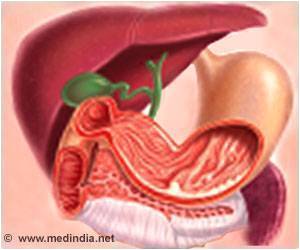
Hepatitis Challenge and Liver Transplants in India - Liver Specialist Speaks
Viral Hepatitis awareness is less and its misconception more in India, says Dr. Mohamed Rela, international liver specialist, speaking on Viral hepatitis and liver transplantation in India.
Viral Hepatitis awareness is less and its misconception more in India, says Dr. Mohamed Rela, international liver specialist, speaking on Viral hepatitis and liver transplantation in India.
Source-Eurekalert
Drug Everolimus Does Not Improve Overall Survival in Advanced Liver Cancer Patients
A study in the July 2 issue of JAMA reveals that despite strong preclinical data, the drug everolimus failed to improve overall survival in patients with advanced liver cancer, compared to placebo.
A study in the July 2 issue of JAMA reveals that despite strong preclinical data, the drug everolimus failed to improve overall survival in patients with advanced liver cancer, compared to placebo.

Liver Cancer
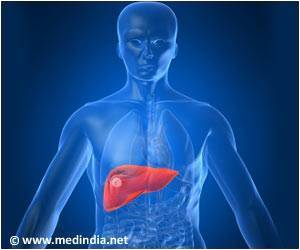
Liver is the largest organ inside the human body. It performs 500 different functions and processes 720 liters of blood per day. The important functions of the liver, the development of liver cancer and it’s symptoms are presented in this interactive.
Liver is the largest organ inside the human body. It performs 500 different functions and processes 720 liters of blood per day. The important functions of the liver, the development of liver cancer and it’s symptoms are presented in this interactive.
 Email
Email