MEDINDIA
 English
 हिन्दी
 Español
 français
 中文
中文
A review of 16 studies involving more than 890,000 people from around the globe has found that the presence of prediabetes increases the risk of cancer.
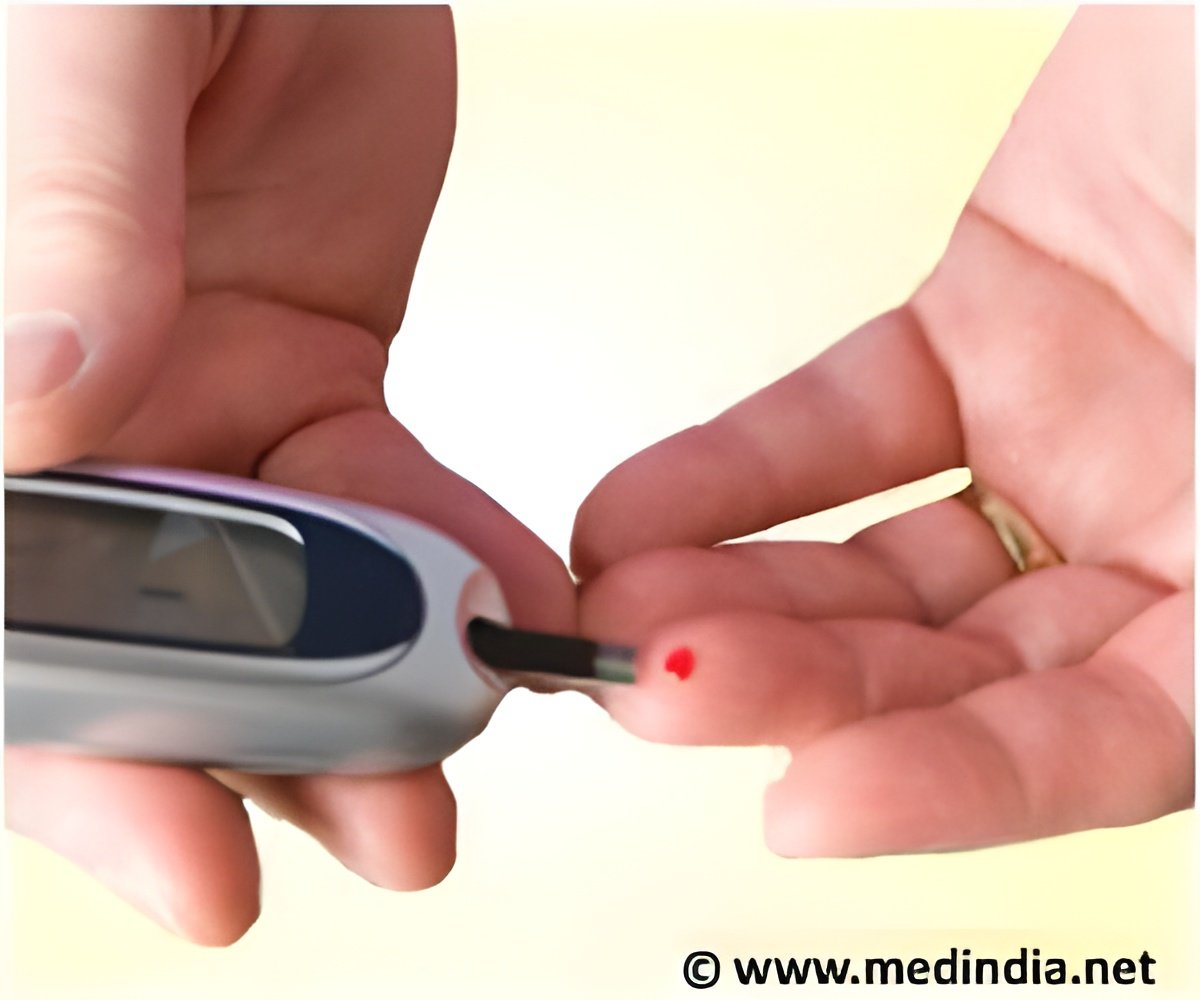

Diabetes and Exercise
Regular exercise especially in type II diabetes not only helps reduce the sugar but also reduces the demand for medication by 20% and helps you stay healthy.
Regular exercise especially in type II diabetes not only helps reduce the sugar but also reduces the demand for medication by 20% and helps you stay healthy.
The risk of all cancer was also increased when a lower definition of IFG (5.6-6.9 mmol/l) was used, according to the current American Diabetes Association definition of IFG, although this definition has not been accepted by either WHO's special working group on diabetes or other international guidelines. The difference of risk of cancer was not significant between IFG defined as 5.6-6.9 mmol/l or 6.1-6.9mmol/l.
In a site-specific cancer analysis, prediabetes was significantly associated with increased risks of cancer of the stomach/colorectum (relative risk, RR 1.55), liver (RR 2.01), pancreas (RR 1.19), breast (RR 1.19) and endometrium (RR 1.60) (all statistically significant), but not associated with cancer of the bronchus/lung, prostate, ovary, kidney or bladder.
Diabetes Foot Care Treatment Prevention
Valuable information on diabetic foot care, treatment and prevention.
Valuable information on diabetic foot care, treatment and prevention.
The authors say: "These findings have important clinical and public health implications. For example, in the US population aged ≥18 years, the age-adjusted prevalence of prediabetes increased from 29% in 1999–2002 to 36% in 2007–2010. Many other countries, both developed and developing, are also seeing steep rises in the number of people with both full-blown type 2 diabetes and prediabetes. Considering the high prevalence of prediabetes, as well as the robust and significant association between prediabetes and cancer demonstrated in our study, successful intervention in this large population could have a major public health impact."

Diabetes and HIV/AIDS Management
HIV/AIDS patients often present with diabetes or other metabolic disorders. The type of diabetes associated with HIV is Type-2 Diabetes Mellitus (T2DM).
HIV/AIDS patients often present with diabetes or other metabolic disorders. The type of diabetes associated with HIV is Type-2 Diabetes Mellitus (T2DM).
 Email
Email