MEDINDIA
 English
 हिन्दी
 Español
 français
 中文
中文
Janus Kinase 3 gene mutations are harbored by a substantial proportion of NK/T-cell lymphomas.

Hodgkins Lymphoma - Incidence Causes Diagnosis Types Treatment FAQs
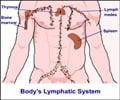
Hodgkins lymphoma or Hodgkins disease has the distinction of being the first cancer to be cured by chemotherapy or by radiotherapy.
Hodgkins lymphoma or Hodgkins disease has the distinction of being the first cancer to be cured by chemotherapy or by radiotherapy.
NK/T-cell lymphoma is a very aggressive form of lymphoma. It is particularly prevalent in Asia.
"Many years ago, I and a colleague came to the Van Andel Research Institute in Grand Rapids, Mich.," said Teh. "My colleague unfortunately developed NK/T-cell lymphoma and passed away. It was the only case of this cancer ever diagnosed in Grand Rapids. As this illustrates, it is a relatively rare subtype of lymphoma in the United States, but it is responsible for the deaths of a large number of people in Asia, in particular in China and Korea. It accounts for almost half of all T-cell lymphomas in some parts of Asia.
AIDS/HIV Related Cancer - Kaposi's sarcoma Lymphomahoma
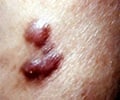
AIDS defining malignancies are cancers that occur in patients with AIDS due to their low immunity.
AIDS defining malignancies are cancers that occur in patients with AIDS due to their low immunity.
To identify genetic mutations that might have a functional consequence, Teh and his colleagues sequenced all the genes in NK/T-cell lymphoma cells from four patients. In addition to mutations in genes known to be associated with cancer, they detected mutations in the Janus Kinase 3 (JAK3) gene in the cancer cells from half of the patients. The researchers conducted follow-up sequencing of NK/T-cell lymphoma cells from an additional 65 patients and identified JAK3 mutations in 23 of those patients.
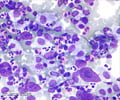
Non-Hodgkins Lymphoma
Non Hodgkins Lymphoma is a cancer that affects the lymph tissues. It is made up of a wide array of subtypes.
Non Hodgkins Lymphoma is a cancer that affects the lymph tissues. It is made up of a wide array of subtypes.
Consistent with this idea, a JAK inhibitor that is currently being assessed in phase III clinical trials as a treatment for rheumatoid arthritis killed cultured NK/T-cell lymphoma cell lines by a process known as apoptosis.
Chemotherapy - History, Principles, Aim, Types, Side Effcts, Pros & Cons
'Chemo' means medicine or 'drug', 'therapy' means 'treatment'. Chemotherapy refers to the use of cytotoxic drugs in the treatment of cancer.
'Chemo' means medicine or 'drug', 'therapy' means 'treatment'. Chemotherapy refers to the use of cytotoxic drugs in the treatment of cancer.
Source-Eurekalert
 Email
Email