MEDINDIA
 English
 हिन्दी
 Español
 français
 中文
中文
Sleep deprivation disrupts brain cell’s ability to communicate affecting memory and visual perception, says study.
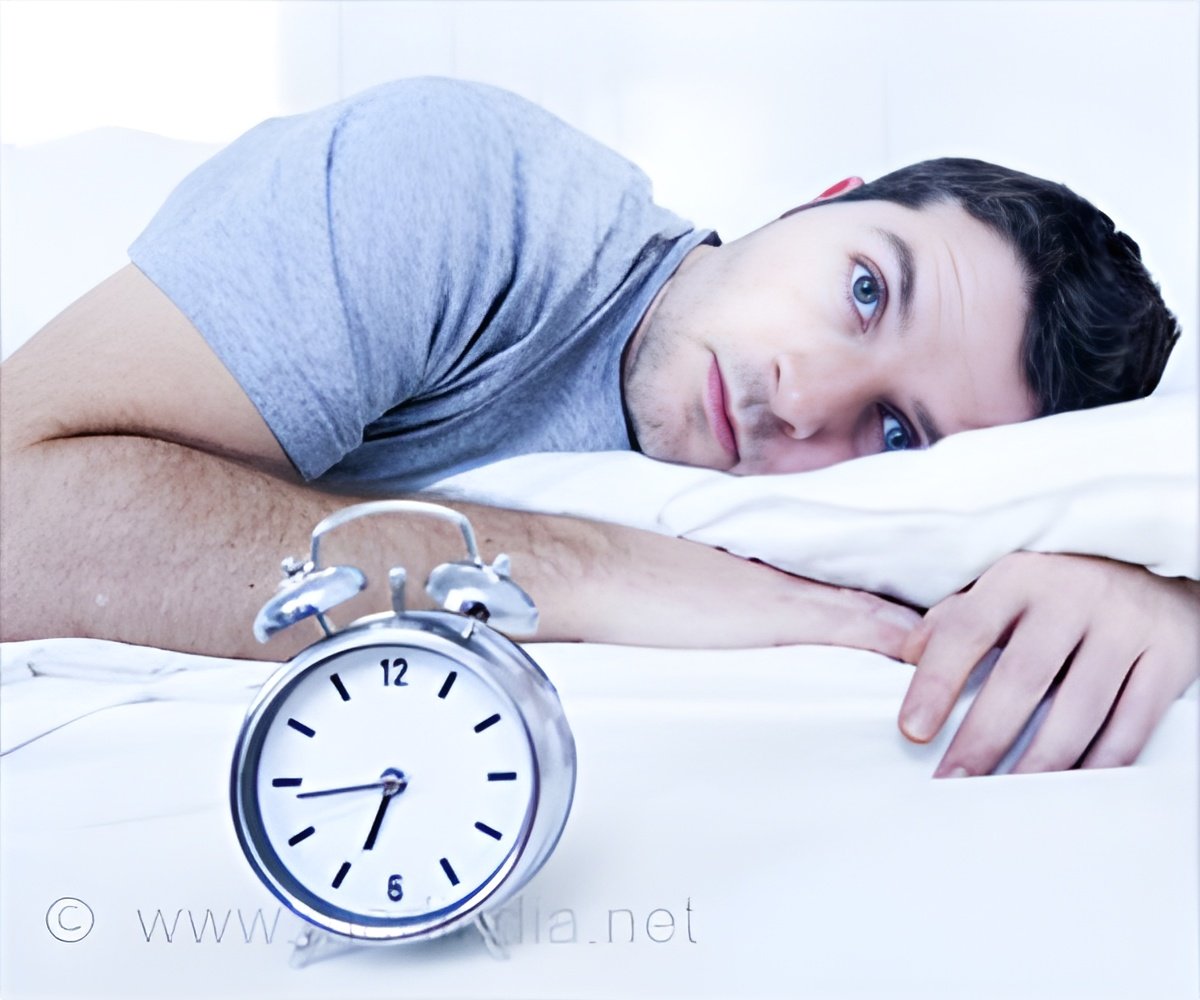

Sleep Deprivation can lead to a Host of Serious Health Problems
Whether you have trouble sleeping or trouble staying asleep, it’s important that you address the causes of sleep deprivation and cultivate good sleep habits.
Whether you have trouble sleeping or trouble staying asleep, it’s important that you address the causes of sleep deprivation and cultivate good sleep habits.
TOP INSIGHT

Sleep-deprived brain cells react more slowly and fire more weakly, and their signals are more drawn out.
Fried led an international team in studying 12 UCLA epileptic patients who had electrodes implanted in their brains in order to pinpoint the origin of their seizures prior to surgery. Because lack of sleep can provoke seizures, these patients stay awake all night to speed the onset of an epileptic episode and shorten their hospital stay.
The team asked the patients to categorize a variety of images as fast as possible while their electrodes recorded the firing of nearly 1,500 single brain cells across the group in real time. The scientists zeroed in on the temporal lobe, which regulates visual perception and memory.

About Hypersomnia
Hyper means “excessive” and somnia refers to “sleep”, so hypersomnia is excessively long or deep sleep despite sleeping for several hours at night.
Hyper means “excessive” and somnia refers to “sleep”, so hypersomnia is excessively long or deep sleep despite sleeping for several hours at night.
"We were fascinated to observe how sleep deprivation dampened brain cell activity," said lead author Dr. Yuval Nir of Tel-Aviv University. "Unlike the usual rapid reaction, the neurons responded slowly, fired more weakly and their transmissions dragged on longer than usual."

About Sleep Disturbances
The physical, emotional and hormonal changes that occur in women during puberty, menstrual cycle, pregnancy, and menopause can cause Sleep Disturbances
The physical, emotional and hormonal changes that occur in women during puberty, menstrual cycle, pregnancy, and menopause can cause Sleep Disturbances
The same phenomenon can occur when a sleep-deprived driver notices a pedestrian stepping in front of his car.

Sleep Disorder: Sleepwalking - Overview
Sleepwalking or “Somnambulism,” is a type of parasomnia and has medico-legal implications
Sleepwalking or “Somnambulism,” is a type of parasomnia and has medico-legal implications
In a second finding, the researchers discovered that slower brain waves accompanied sluggish cellular activity in the same regions of the patients' brains.
"Slow sleep-like waves disrupted the patients' brain activity and performance of tasks," said Fried. "This phenomenon suggests that select regions of the patients' brains were dozing, causing mental lapses, while the rest of the brain was awake and running as usual," said Fried.
The study's findings provoke questions for how society views sleep deprivation.
"Inadequate sleep exerts a similar influence on our brain as drinking too much," said Fried. "Yet no legal or medical standards exist for identifying over-tired drivers on the road the same way we target drunk drivers."
Fried and his colleagues plan to dive more deeply into the benefits of sleep. Future studies aim to unravel the mechanism responsible for the cellular glitches that precede mental lapses.
Previous studies have tied sleep deprivation to a heightened risk of depression, obesity, diabetes, heart attacks and stroke, as well as medical errors.
Source-Eurekalert
 Email
Email