MEDINDIA
 English
 हिन्दी
 Español
 français
 中文
中文
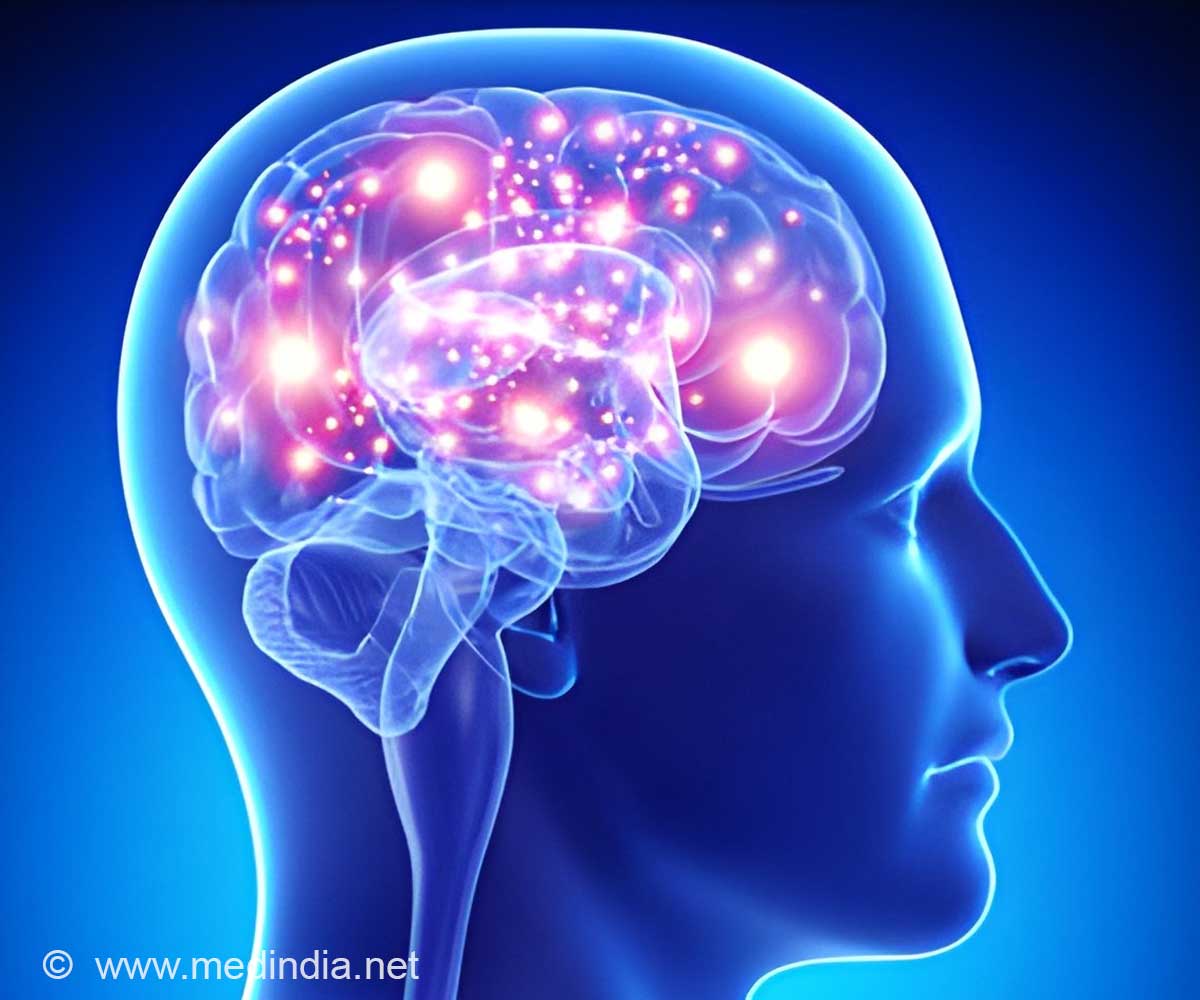
A person’s reaction to violent films is influenced by his brain circuitry and on how aggressive they were to begin with.

Brain Food
It is a myth that the brain quits generating new cells once you reach adulthood. They are regenerating all the time.
It is a myth that the brain quits generating new cells once you reach adulthood. They are regenerating all the time.
After answering a questionnaire, a group of 54 men were split by the research team into two groups—one with individuals possessing aggressive traits, including a history of physical assault, and a second group without these tendencies. The participants' brains were then scanned as they watched a succession of violent scenes (shootings and street fights) on day one, emotional, but non-violent scenes (people interacting during a natural disaster) on day two, and nothing on day three.
The scans measured the subjects' brain metabolic activity, a marker of brain function. Participants also had their blood pressure taken every 5 minutes, and were asked how they were feeling at 15 minute intervals.

Brain Exercises to Improve Memory
An active brain can certainly help in improving memory by strengthening the connections between neural impulses in brain.
An active brain can certainly help in improving memory by strengthening the connections between neural impulses in brain.
Interestingly, while watching scenes from violent movies, the aggressive group had less brain activity than the non-aggressive group in the orbitofrontal cortex, a brain region associated by past studies with emotion-related decision making and self-control. The aggressive subjects described feeling more inspired and determined and less upset or nervous than non-aggressive participants when watching violent (day 1) versus just emotional (day 2) media. In line with these responses, while watching the violent media, aggressive participants' blood pressure went down progressively with time while the non-aggressive participants experienced a rise in blood pressure.
Language Areas in The Brain - About
The mechanism of how human brain processes the language to express and comprehend the verbal, written, gestures and symbols is still a mystery.
The mechanism of how human brain processes the language to express and comprehend the verbal, written, gestures and symbols is still a mystery.
 Email
Email