MEDINDIA
 English
 हिन्दी
 Español
 français
 中文
中文
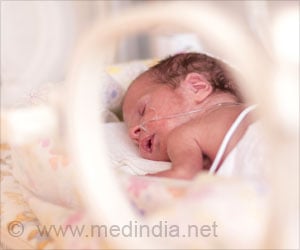
Fertility treatments increases risk of neoplasms like leukemia, brain and spinal cord tumors, neuroblastomas, Wilms tumors, and lymphoma in children.


Possible Use of Polar Body for Infertility Treatment
The use of polar bodies to produce functional embryos could potentially increase the success rate of in vitro fertilization.
The use of polar bodies to produce functional embryos could potentially increase the success rate of in vitro fertilization.
TOP INSIGHT

It is important to monitor and follow-up on the health of children born after fertility treatments.
"In Israel, all fertility interventions, which include in vitro fertilization (IVF) and ovulation induction (OI), are fully covered by insurance, enabling citizens of all backgrounds access to these treatments," says Prof. Eyal Sheiner, M.D., Ph.D., vice dean of the BGU Faculty of Health Sciences (FOHS), member of its Department of Obstetrics and Gynecology, and a physician at Soroka.
Of the 242,187 newborn infants in the study, 237,863 (98.3 percent) were conceived spontaneously; 2,603 (1.1 percent) were conceived after in vitro fertilization, and 1,721 (0.7 percent) were conceived after ovulation induction treatments.

In Women, Fertility Treatment Does Not Lead to Cardiovascular Disease
A new study has found that women who gave birth following fertility treatment had no long-term increased risk of death or major cardiovascular events compared to women who gave birth without fertility therapy.
A new study has found that women who gave birth following fertility treatment had no long-term increased risk of death or major cardiovascular events compared to women who gave birth without fertility therapy.
"The research concludes that the association between IVF and total pediatric neoplasms and malignancies is significant," Prof. Sheiner says. "With increasing numbers of offspring conceived after fertility treatments, it is important to follow up on their health."

Two Investigational Antitumor Agents Efficacious Against a Rare Pediatric Cancer
Malignant peripheral nerve sheath tumor (MPNST) is a rare pediatric cancer and is resistant to chemotherapy.
Malignant peripheral nerve sheath tumor (MPNST) is a rare pediatric cancer and is resistant to chemotherapy.

Therapy Dogs can Calm Kids With Pediatric Cancer
Many hospitals have therapy dogs who visit patients, children pet or talk to the dog, brush its fur. It is found that dogs have a calming effect on the patient.
Many hospitals have therapy dogs who visit patients, children pet or talk to the dog, brush its fur. It is found that dogs have a calming effect on the patient.
 Email
Email