MEDINDIA
 English
 हिन्दी
 Español
 français
 中文
中文
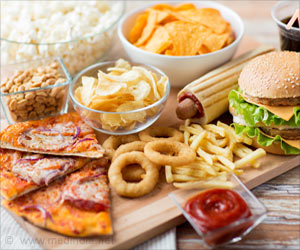
Access to food and beverages to youth when they take part in organized sports can often be unhealthy, states a new study.


Diet Guidelines for Healthy Snacking
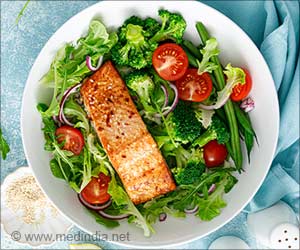
Due to busy lifestyles, food holds the least amount of importance for many of us. Healthy snacking is not as simple as it sounds. It involves thorough understanding of what, when and how to eat.
Due to busy lifestyles, food holds the least amount of importance for many of us. Healthy snacking is not as simple as it sounds. It involves thorough understanding of what, when and how to eat.
The study also brought to light that despite parent awareness of the poor food and beverage choices that are prevalent in youth sport; few parents attempted to change the situation. "These findings suggest the importance of helping parents understand the benefits of healthful eating for all children, regardless of their current weight status, and of helping parents feel empowered to create a healthful food environment for their children despite time obstacles," says investigator Dianne Neumark-Sztainer, PhD, RD.
Despite the study findings, researchers believe that youth sport is a promising setting for promoting nutrition. According to the National Council of Youth Sports, more than 44 million youth participate in organized sports each year. Studies have shown that youth sports participants are more likely to consume sports drinks and items from fast-food restaurants than youth who don't participate in sports.

A Healthy Lifestyle Reduces Metabolic Syndrome
Allowing people to adopt healthy lifestyle practices like a healthy diet rich in fiber and adequate physical activity may go a long way in reducing the incidence of metabolic syndrome.
Allowing people to adopt healthy lifestyle practices like a healthy diet rich in fiber and adequate physical activity may go a long way in reducing the incidence of metabolic syndrome.
Source-Eurekalert

Q&A on Sports Injury and Sports Rehabilitation: Sports Doctor Speaks
Dr. Kannan Pugazhendi expert in sports medicine, an impatient and highly demanding field, offers candid information on sports injury and rehabilitation.
Dr. Kannan Pugazhendi expert in sports medicine, an impatient and highly demanding field, offers candid information on sports injury and rehabilitation.
Dietary Supplements - Dieticians Recommend and Use It Too: Survey
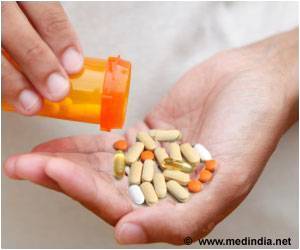
Health professionals recommend dietary supplements to patients but do they take it themselves? If so, which ones?
Health professionals recommend dietary supplements to patients but do they take it themselves? If so, which ones?
 Email
Email