MEDINDIA
 English
 हिन्दी
 Español
 français
 中文
中文
Medications that block both ion channels is effective in reducing pain and inflammation though the procedure discourages patients for further therapy.
Skin Cancer - Types, Causes, Symptoms, Diagnosis, Treatment & Prevention
Skin cancer is an abnormal growth of skin cells. It can develop due to a continuous exposure to sun over the years.
Skin cancer is an abnormal growth of skin cells. It can develop due to a continuous exposure to sun over the years.
TOP INSIGHT

Aggressive free oxygen radicals from the dark blue laser prodcing light has exactly the right wave length to stimulate a heme precursor that is present in all cells.
Painful blue light
An international group of researchers at FAU's Institute of Physiology and Pathophysiology has now managed to find the answer. The team carried out a study with volunteers whose skin was exposed to a dark blue laser pointer. The light from this type of pointer has exactly the right wave length to stimulate a haem precursor that is present in all cells, including nerve endings, to produce free radicals.
Melanoma - Causes, Symptoms, Diagnosis, Treatment & Prevention
Melanoma of the skin is a dangerous type of skin cancer that usually appears as a cancerous mole due to exposure to the sun’s damaging UV rays.
Melanoma of the skin is a dangerous type of skin cancer that usually appears as a cancerous mole due to exposure to the sun’s damaging UV rays.
The FAU researchers' study showed that the aggressive free oxygen radicals were active not only in the diseased skin cells but also in certain nerve endings that recognise early signs of damage. In the nerve cells the free radicals activate the ion channel TRPA1 which triggers pain or itching.
Epidermolysis bullosa-Causes-Symptoms-Diagnosis-Treatment-Prognosis-Complications
People with epidermolysis bullosa (EB) develop skin blisters in response to minor injury. EB can occur in all racial and ethnic groups.
People with epidermolysis bullosa (EB) develop skin blisters in response to minor injury. EB can occur in all racial and ethnic groups.
'Medications that block both ion channels have already been tested in the treatment of other types of pain, such as the pain experienced in diabetic neuropathy or arthritis,' explains FAU researcher Prof. Dr. Peter Reeh. 'Based on the findings of this study, these should have two benefits in this case, as they would reduce both pain and inflammation.'
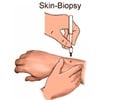
Skin Biopsy-Procedure-Punch-Shave-Incisional-FAQ-Video
Encyclopedia section of medindia gives general information about skin biopsy.
Encyclopedia section of medindia gives general information about skin biopsy.
 Email
Email