MEDINDIA
 English
 हिन्दी
 Español
 français
 中文
中文
Leaders should keep nutrition policy at the forefront of their decision-making to reduce poverty, end hunger and malnutrition in developing countries.
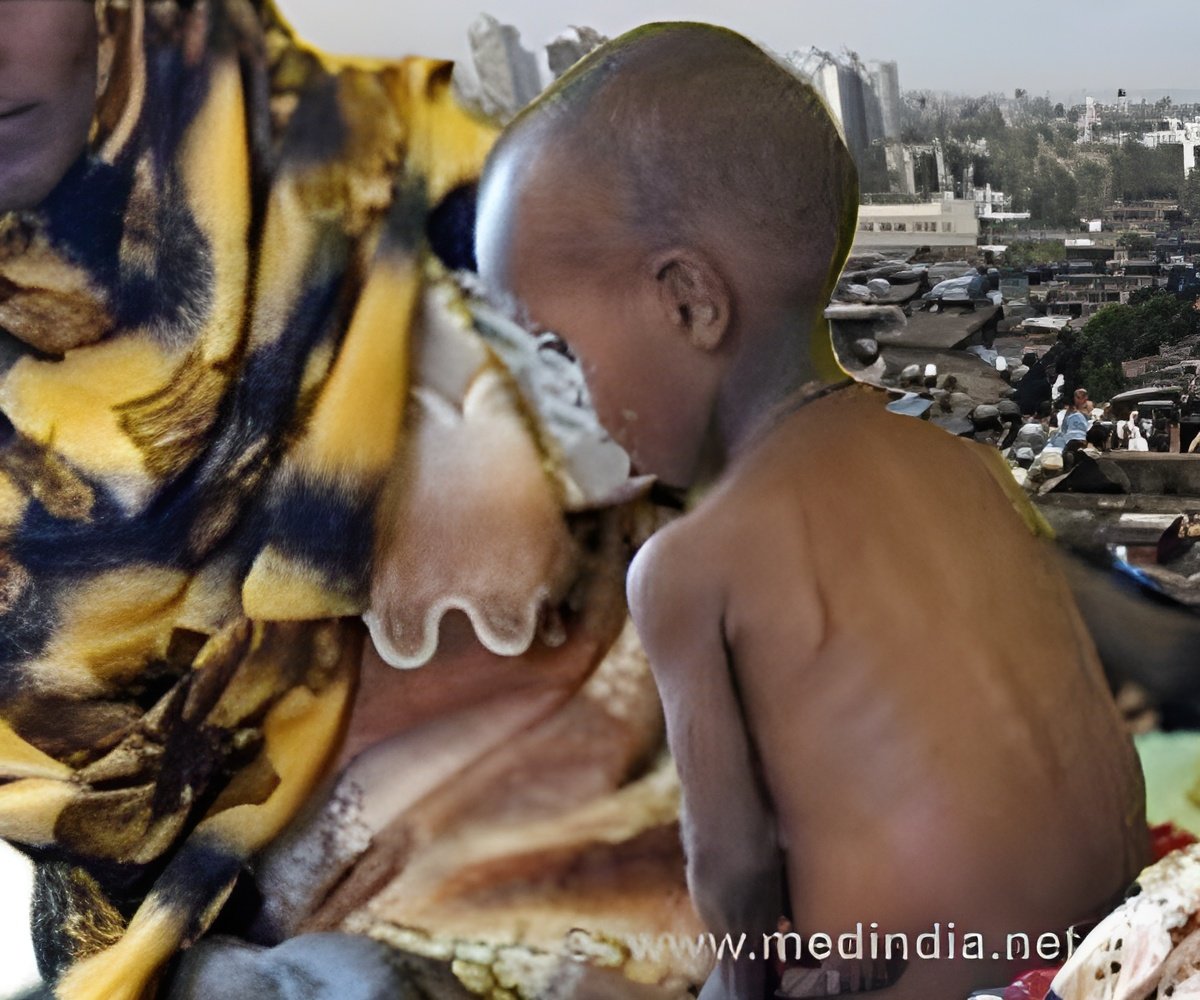

14 South Sudanese Children Die of Malaria and Malnutrition in August
Wau hospital received 439 cases of children suffering from malaria and malnutrition. The deaths were due to delay in hospitalization and lack of blood transfusion.
Wau hospital received 439 cases of children suffering from malaria and malnutrition. The deaths were due to delay in hospitalization and lack of blood transfusion.
"The coexistence of nutritional problems associated with extreme deprivation and obesity is the real face of malnutrition."
Even if the global present situation may be worrying, China has made a great progress in overcoming malnutrition, Haddad, senior research fellow at the International Food Policy Research Institute (IFPRI) said on Tuesday.
Malnutrition in India: 43 Percent Children Under Five Years of Age are Underweight
The prevalence of underweight in children under 5 years of age has reduced from 42.5% to 29.4% as per the Rapid Survey on Children (RSoC).
The prevalence of underweight in children under 5 years of age has reduced from 42.5% to 29.4% as per the Rapid Survey on Children (RSoC).
Governments should play an important role in the course to make commitments, lead coherence, spend funds, make sure the utmost coverage of programs and monitor the welfare.
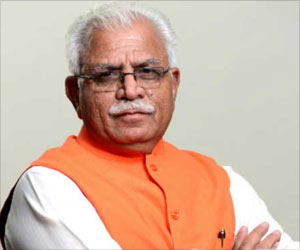
Haryana to Setup Nutrition Commission to Address Malnutrition Among Children
Almost 50% children are malnourished in Haryana, which formulated a policy that aims for healthy child, healthy teenager, healthy mother and healthy Haryana”.
Almost 50% children are malnourished in Haryana, which formulated a policy that aims for healthy child, healthy teenager, healthy mother and healthy Haryana”.
The timing of the report is particularly important as UN member states convene to adopt the Sustainable Development Goals later this month.
Severe Malnutrition in Niger Brings Noma Disease to Poverty-stricken Children
Noma is a disease born of poverty caused by malnutrition and lack of hygiene. It affects severely malnourished children eating away their faces.
Noma is a disease born of poverty caused by malnutrition and lack of hygiene. It affects severely malnourished children eating away their faces.
IFPRI provides research-based policy solutions to sustainably reduce poverty and end hunger and malnutrition in developing countries, established in 1975, headquartered in Washington.
Source-IANS
 Email
Email