MEDINDIA
 English
 हिन्दी
 Español
 français
 中文
中文
Adding estrogen in the brain may improve health in obese females after menopause,has been found by researchers at the University of Cincinnati (UC).

Estrogen Dominance - Causes, Symptoms, Diagnosis, Treatment
Estrogen dominance is a condition with relatively high levels of estrogen and diminished progesterone levels.
Estrogen dominance is a condition with relatively high levels of estrogen and diminished progesterone levels.
TOP INSIGHT

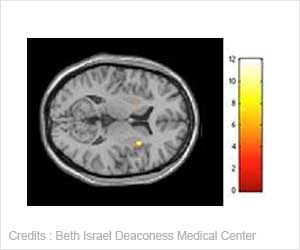
The medial amygdala (MeA) is a region of the brain that helps regulate body weight and contains an abundance of estrogen receptors (molecules that respond to estrogen).
The researchers used an experimental model in rats, which involves removing the ovaries to mimic the hormonal changes of menopause. They targeted estrogen replacement directly in the MeA and found that it prevented weight and abdominal fat gain and improved glucose tolerance, compared to rats in a placebo group. This suggests that the MeA is important in the metabolic health of menopausal females and may be a useful target for treatment.
"Obesity is a national epidemic and women are becoming obese at younger ages. Given the beneficial effects of estrogen on metabolic health, we were interested in determining the consequences of obesity on estrogen-related endpoints in female rats, akin to younger, premenopausal women," says Estrada. A separate group of female rats with intact ovaries were placed on a high-fat diet. Relative to their lean counterparts, obese females had increased blood estrogen levels, irregular reproductive cycles and altered estrogen receptor activity in several brain regions regulating metabolic function.

Dealing with Menopause Symptoms Through Lifestyle Changes
You can deal with menopause symptoms such as hot flashes, weight gain and forgetfulness by making simple lifestyle changes.
You can deal with menopause symptoms such as hot flashes, weight gain and forgetfulness by making simple lifestyle changes.
"These findings are particularly important because we know very little about the impact of obesity on brain function in women," Estrada says, adding that the research team believes understanding how the brain and body work together to regulate metabolic health offers a more holistic perspective of how to tackle obesity prevention in women. The research team is focused on understanding how obesity impacts brain health in females and whether these changes are temporary or permanent.

Why is Health Screening in Women between 40 and 60 years of age important?
Health screening in women between 40 and 60 years helps to diagnose health issues in the early stages when they can be controlled. This ensures a more comfortable old age.
Health screening in women between 40 and 60 years helps to diagnose health issues in the early stages when they can be controlled. This ensures a more comfortable old age.
Source-Eurekalert

About Hot Flash
The frequency of the hot flash can be from 1 to 2 two hot flashes a week to 10 or greater in a day. The silver lining is that it usually decreases over time.
The frequency of the hot flash can be from 1 to 2 two hot flashes a week to 10 or greater in a day. The silver lining is that it usually decreases over time.
 Email
Email