MEDINDIA
 English
 हिन्दी
 Español
 français
 中文
中文
Researchers have announced the results of a study that may change how nutrition therapy is delivered to overweight and obese patients with type 2 diabetes.


Nutrition Therapy may Not Lead to Long-Term Benefits for Malnourished Children
Researchers suggest that while nutrition therapy can save the lives of millions of malnourished infants, it may not be able to restore the imbalance.
Researchers suggest that while nutrition therapy can save the lives of millions of malnourished infants, it may not be able to restore the imbalance.
TOP INSIGHT

Nutrition therapy can be as effective as medications in overweight and obese patients with type 2 diabetes, even after a long duration of the disease.
"This drop in A1C due to nutrition therapy alone is much better than what we have been able to achieve with many of the current medications for type 2 diabetes ," said Dr. Hamdy. "This is very encouraging since participants in the study have lived with type 2 diabetes for more than 10 years and were not able to control their blood glucose or weight with multiple medications."
The study compared the effect of three different models of nutrition therapy on A1C, body weight, lipid profile and blood pressure in 108 overweight and obese adults who had uncontrolled type 2 diabetes that was treated with multiple oral and injectable medications except insulin. Participants were randomized to three groups of 36 each.The first group followed the traditional model. Patients met with the Registered Dietician (RD) to review their eating habits and preferences. They were then given individualized advice on eating plans to fit those eating habits and preferences.

Nutrition Therapy Plays Vital Role in Childhood Cancer Care
St. Jude Children's Research Hospital dietitians help children with cancer maintain proper nutrition during treatment.
St. Jude Children's Research Hospital dietitians help children with cancer maintain proper nutrition during treatment.
The third group followed the highly structured meal plan, and in addition received weekly phone coaching by the RD.Compared to baseline, the A1C did not change in the first group (using the traditional approach of individualized nutrition therapy). But the A1C significantly decreased in the second and the third group who were following the highly structured plan. The change in A1C was significantly different between groups. Also, there was no significant decrease in body weight in the first group, while body weight in the second and third groups decreased significantly.
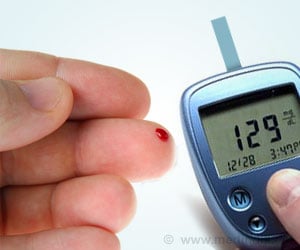
Healthy Foods Can Help You Monitor Diabetes And Keep It in Check
An expert says that nutrition and diet play a major part in preventing, managing or even slowing the rate of complications associated with diabetes.
An expert says that nutrition and diet play a major part in preventing, managing or even slowing the rate of complications associated with diabetes.
The dietary composition used in the structured nutrition arm of the study was based on Clinical Nutrition Guidelines for Overweight/Obese Adults with Type 2 Diabetes, first published by Joslin in 2005 and updated in 2011. Carbohydrate intake was approximately 40-45 percent of total daily calories with the rest from healthy protein and fat. The plan was high in fiber and lower in saturated fat and sodium.

Healthy Vegetarian Diet Reduces the Risk of Type 2 Diabetes
Consumption of a less healthy version of foods such as refined grains, potatoes, and sugar-sweetened beverages increased the risk of type 2 diabetes by 16 percent.
Consumption of a less healthy version of foods such as refined grains, potatoes, and sugar-sweetened beverages increased the risk of type 2 diabetes by 16 percent.
Source-Eurekalert
 Email
Email