MEDINDIA
 English
 हिन्दी
 Español
 français
 中文
中文
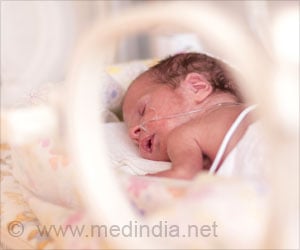
A new study suggests the risk of non-visual disabilities by five years of age was high among very low birth weight infants who also had severe retinopathy of prematurity.

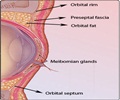
Eyelid Problems-Chalazion-Blepharitis-Stye-Cellulitis-Entropion-Ectropion-Drooping
Eye lid problems are one of the commonest complaints with which a patient presents to an eye doctor. Commonest among them being: blepharitis, chalazion and stye.
Eye lid problems are one of the commonest complaints with which a patient presents to an eye doctor. Commonest among them being: blepharitis, chalazion and stye.
Of 1,815 eligible infants, 1,582 (87 percent) had complete (n = 1,523) or partial (n = 59) 5-year assessments. Of 95 with severe retinopathy, 40 percent had at least 1 nonvisual disability at 5 years compared with 16 percent of children without it. Fourteen of 94 children (15 percent) with and 36 of 1,487 children (2.4 percent) without severe retinopathy had more than 1 nonvisual disability. Motor impairment, cognitive impairment, and severe hearing loss were 3 to 4 times more common in children with severe retinopathy than those without severe retinopathy.
The authors write that these findings may help improve the ability to counsel parents and to select high-risk infants for long-term follow-up.
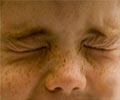
Eye Twitching - Blepharospasm - Causes, symptoms, diagnosis and Treatment
Uncontrolled muscle twitching occurs in this condition, though benign it may need further investigation and sometimes an injection of Botox can cures it.
Uncontrolled muscle twitching occurs in this condition, though benign it may need further investigation and sometimes an injection of Botox can cures it.
Source-Eurekalert

Eye Twitch - Symptom Evaluation
Eye twitching is a consequence of an abnormal, involuntary, uncontrollable contraction or spasm of the eyelid muscles or muscles surrounding the eyes.
Eye twitching is a consequence of an abnormal, involuntary, uncontrollable contraction or spasm of the eyelid muscles or muscles surrounding the eyes.

Eye Infections | Ocular Infections - Causes Symptoms Diagnosis Treatment
Eye infection is a common problem that often causes pain and discomfort to the eyes. Common symptoms of eye infection include pain, redness of eye or eyelids, eye discharge.
Eye infection is a common problem that often causes pain and discomfort to the eyes. Common symptoms of eye infection include pain, redness of eye or eyelids, eye discharge.
 Email
Email