MEDINDIA
 English
 हिन्दी
 Español
 français
 中文
中文
The tool is a model adapted from a dual molecular tuner that offers an easy way to perform in-depth analyses in mammalian cells and stem cells.

TOP INSIGHT

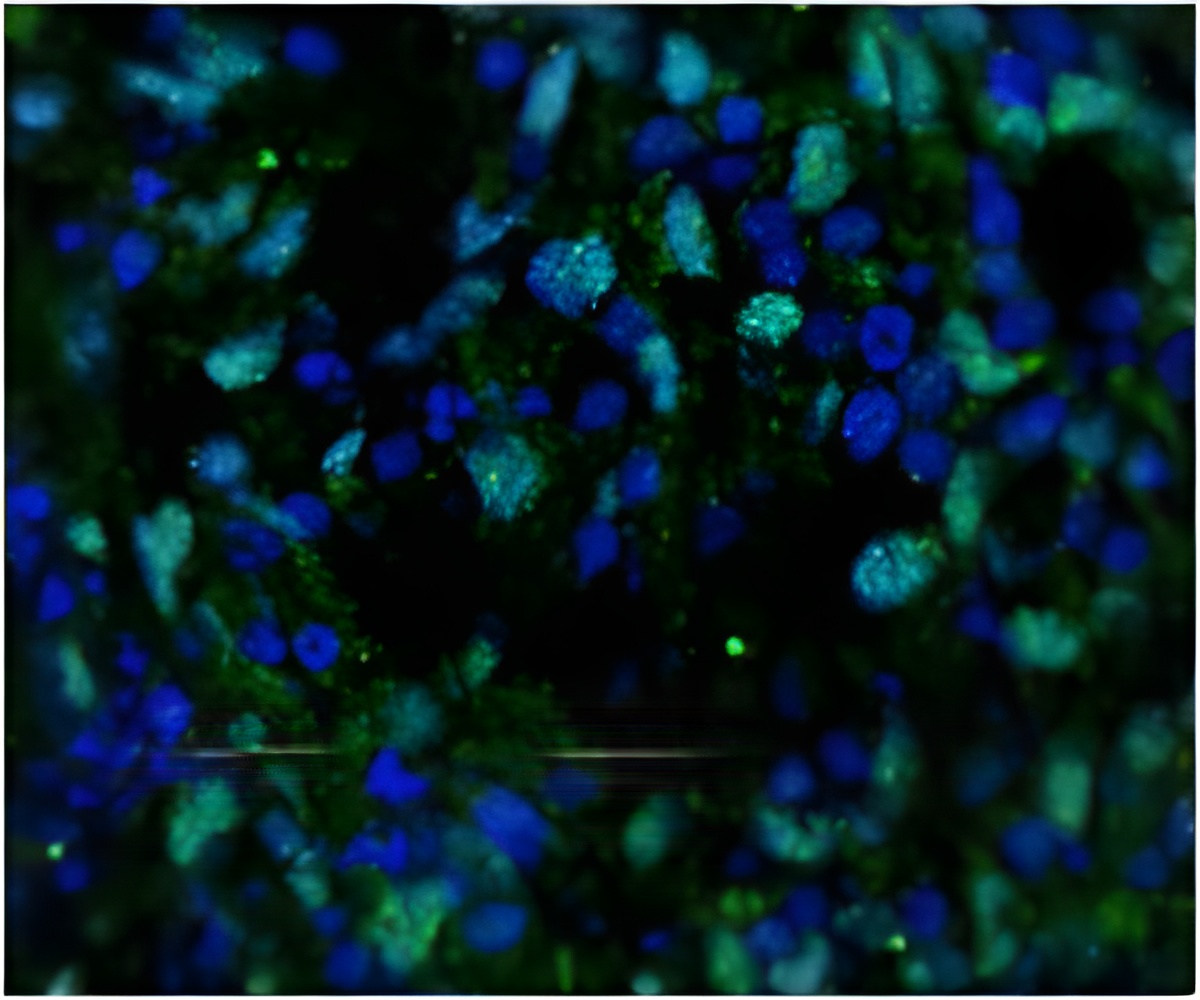
Dual molecular tuner can manipulate two proteins independently of each other, and is very useful for a wide variety of studies that have been hard to do to date, such as decoding signaling networks or protein interactions.
"We can, for example, monitor differences in cell cycle depending on how one or another protein is depleted, because this tool acts so quickly and so effectively," says the study's senior investigator, Ran Brosh, PhD, a postdoctoral researcher in the laboratory of the study's corresponding author, Ihor R. Lemischka, PhD, Professor of Pharmacological Science, Developmental and Regenerative Biology at ISMMS.
Not only can researchers choose how much of one or both chosen proteins can be degraded, the entire process is reversible, Dr. Brosh says.
The tuner can be used for two proteins because researchers have identified two plant hormones that help signal the cell's targeted destruction of the proteins being studied.

Use of Stem Cells in Personalized Medicine
Stem cell therapy, a leading topic of interest among the budding scientists. These cells play a role in the development of personalized medicines for millions of cancer and heart patients.
Stem cell therapy, a leading topic of interest among the budding scientists. These cells play a role in the development of personalized medicines for millions of cancer and heart patients.
The way the system works is that researchers silence the gene or genes of interest using traditional gene silencing techniques while simultaneously delivering the same gene(s) in a form they can control. These genes now contain sequences that produce a short peptide called a degron -- its function is to regulate protein degradation -- that is fused to the encoded protein.

CRISPR Technique Offers Precise Blindness Therapy by Repairing Stem Cells
Correcting a blindness-causing gene mutation in patient-derived stem cells using CRISPR/cas9 technique may help in personalized therapies for retinal diseases.
Correcting a blindness-causing gene mutation in patient-derived stem cells using CRISPR/cas9 technique may help in personalized therapies for retinal diseases.
Unlike other gene editing techniques, which can take months to apply to a single gene, establishment of the dual tuner takes one or two weeks of lab work, he adds.
While the tool is meant for research, it can have clinical application such as screening for drug targets, Dr. Brosh adds.
Collaborators include researchers from the University of Washington which also shares a patent with ISMMS for the development of coronatine as a research tool.
Source-Eurekalert
 Email
Email