MEDINDIA
 English
 हिन्दी
 Español
 français
 中文
中文
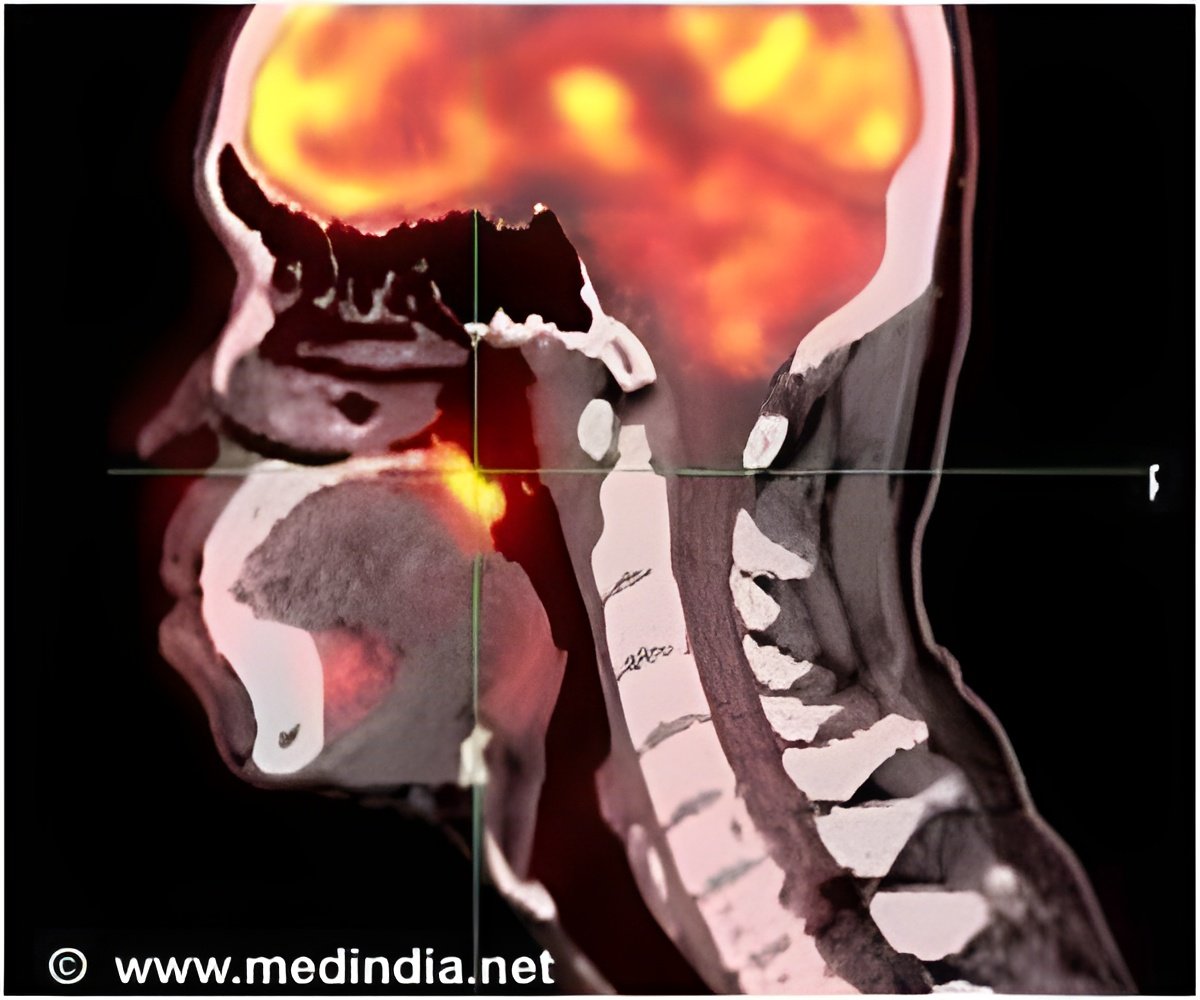
Novel prediction tools, known as nomograms, could be used to help prevent delays in the initiation of radiotherapy after surgery of head and neck cancer, reports a new study.
Head and Neck Cancers - Types, Risk Factors, Symptoms, Diagnosis, Treatments
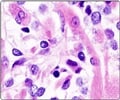
Head and neck cancers usually occur in the squamous cells lining the moist, mucosal surfaces inside the head and neck.
Head and neck cancers usually occur in the squamous cells lining the moist, mucosal surfaces inside the head and neck.
TOP INSIGHT

A nomogram is a graphical representation of a mathematical model that is used to predict how likely a patient with head and neck cancer may have a treatment delay.
Read More..
To ameliorate this crisis, a research team at the Medical University of South Carolina has developed tools known as nomograms. The team was led by Evan Graboyes, M.D., an assistant professor in the Department of Otolaryngology-Head & Neck Surgery at MUSC and a member of the Cancer Control Program at Hollings Cancer Center.
"A nomogram is a graphical representation of a mathematical model that we are using to predict how likely it is that a patient with head and neck cancer may have a treatment delay," explained Graboyes. "We hope that these nomograms can be used to identify patients at highest risk for treatment delays so that we can target interventions to them to decrease the risk of delay."

Aspirin Use Prolongs Survival in Head and Neck Cancer
Regular use of common painkiller medicines such as aspirin and ibuprofen can prolong survival in a group of head and neck cancer patients as per the recent study.
Regular use of common painkiller medicines such as aspirin and ibuprofen can prolong survival in a group of head and neck cancer patients as per the recent study.
With the goal of improving the survival rate of patients with head and neck cancer, Graboyes and his team developed and validated two types of nomograms for predicting delays in PORT. The study examined pre- and post-surgical data from 60,766 adult patients with head and neck cancer, grouped into different cohorts.

Childhood Trauma Linked To Higher Anxiety, Depression Risk in Head and Neck Cancer Patients
Head and neck cancer (HNC) patients who suffered childhood trauma have higher levels of mental health problems such as anxiety and depression that may affect their treatment and prognosis.
Head and neck cancer (HNC) patients who suffered childhood trauma have higher levels of mental health problems such as anxiety and depression that may affect their treatment and prognosis.
"This type of nomogram will provide a personalized estimate of the risk of delay commencing PORT and can be used to enhance counseling and guide interventions for patients with higher risks of delay," explained Graboyes.
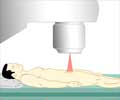
Death Rates in Head and Neck Cancer Reduced by Twice-Daily Radiation Therapy
Twice-daily radiation therapy combined with chemotherapy to treat head and neck cancer, could save more lives.
Twice-daily radiation therapy combined with chemotherapy to treat head and neck cancer, could save more lives.
The second nomogram incorporates information from before and after surgery. According to Graboyes, this nomogram can be used by health care systems to compare their rates of PORT delay in a risk-adjusted fashion that acknowledges differences in the types of patients being treated.
In addition, the nomogram may guide quality improvement initiatives. For example, one of the key factors associated with the delayed PORT was prolonged length of stay after surgery. This information may help physicians to reduce the length of time patients stay in the hospital after surgery, eliminating one hurdle to prompt initiation of radiation treatment.
Although the two nomograms were developed in one cohort of patients and validated in the second cohort of patients with head and neck cancer from across the U.S., the study still had some key limitations. The nomogram didn't account for individual patient education, income, social support, dental disease, smoking, or alcohol consumption. Therefore, more research will be needed to understand the degree to which these factors lead to delays in PORT initiation. A future study will help to address some of these limitations.
Graboyes believes that the current study will help head and neck cancer patients get the treatment they need and improve their chance of survival.
"I would love it if patients and clinicians would be able to use the nomogram website to get more precise, quantitative information about the risk of PORT delay and use it to educate patients, counsel them before treatment and communicate risk precisely," said Graboyes.
"We know that getting patients timely head and neck cancer care that follows guidelines is a promising strategy to improve survival among these patients. I hope these nomograms will be a practical and useful tool as we work toward the goal of decreasing treatment delays."
Source-Eurekalert
 Email
Email