MEDINDIA
 English
 हिन्दी
 Español
 français
 中文
中文
The technique called, Functional connectivity neurofeedback training changes the connection in human brain and changes cognitive function.

Brain Cancer Cells Detected by Multimodal Probe can Prevent Recurrence
A handheld multimodal optical spectroscopy probe that can detect cancer cells during surgery can help to prevent cancer recurrences.
A handheld multimodal optical spectroscopy probe that can detect cancer cells during surgery can help to prevent cancer recurrences.
TOP INSIGHT

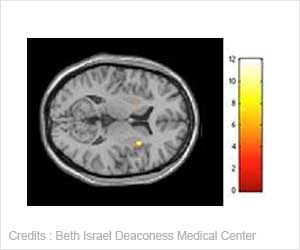
Functional connectivity neurofeedback training is a technique that uses fMRI brain scanning to monitor the functional connectivity between two brain regions, while participants performed a simple motor-imagery task.
In psychiatric disorders, functional connectivity, which is measured by temporal correlations between some brain regions, is too much increased or decreased compared to healthy control. It has been suggested that these abnormal connections cause the decrements of cognitive function.
However, treatments of psychiatric disorders (e.g., drugs and cognitive behavior therapy) could not increase or decrease a specific connectivity between two regions, because these methods give broad effects on the global network.

Nutrition and Cognitive Development in Young Children
Nutrition plays an important role in cognitive development of children. Various mental assessment scales are used to measure the cognitive development of individuals.
Nutrition plays an important role in cognitive development of children. Various mental assessment scales are used to measure the cognitive development of individuals.
The team developed a state-of-the-art method to change the connection in human brain and change cognitive function using a new technique called "Functional connectivity neurofeedback training."

Impaired Brain Switch May Cause Obesity: Study Reveals
The imbalance in the balance between energy intake and energy expenditure due to feeding that controls browning of fat, may lead to obesity.
The imbalance in the balance between energy intake and energy expenditure due to feeding that controls browning of fat, may lead to obesity.
On the other hand, when the goal was to decrease functional connectivity, reward was given on trials with low temporal correlation. This training could induce the aimed direction of change (i.e., an increase or a decrease) in functional connectivity, and differential changes in cognitive performance from pre- to post-neurofeedback training according to the direction of change in connectivity.

MIND Diet - Health Benefits & Diet Plan
MIND diet is a healthy meal plan which is designed to lower the risk of Alzheimer's disease, improve cognition and to sharpen memory.
MIND diet is a healthy meal plan which is designed to lower the risk of Alzheimer's disease, improve cognition and to sharpen memory.
 Email
Email