MEDINDIA
 English
 हिन्दी
 Español
 français
 中文
中文
The new protein provides a potential therapeutic target that could prevent or delay the progress of neurodegenerative diseases following a stroke.
Stroke – Early Warning Signs - Risk Factor - Rehab - Treatment
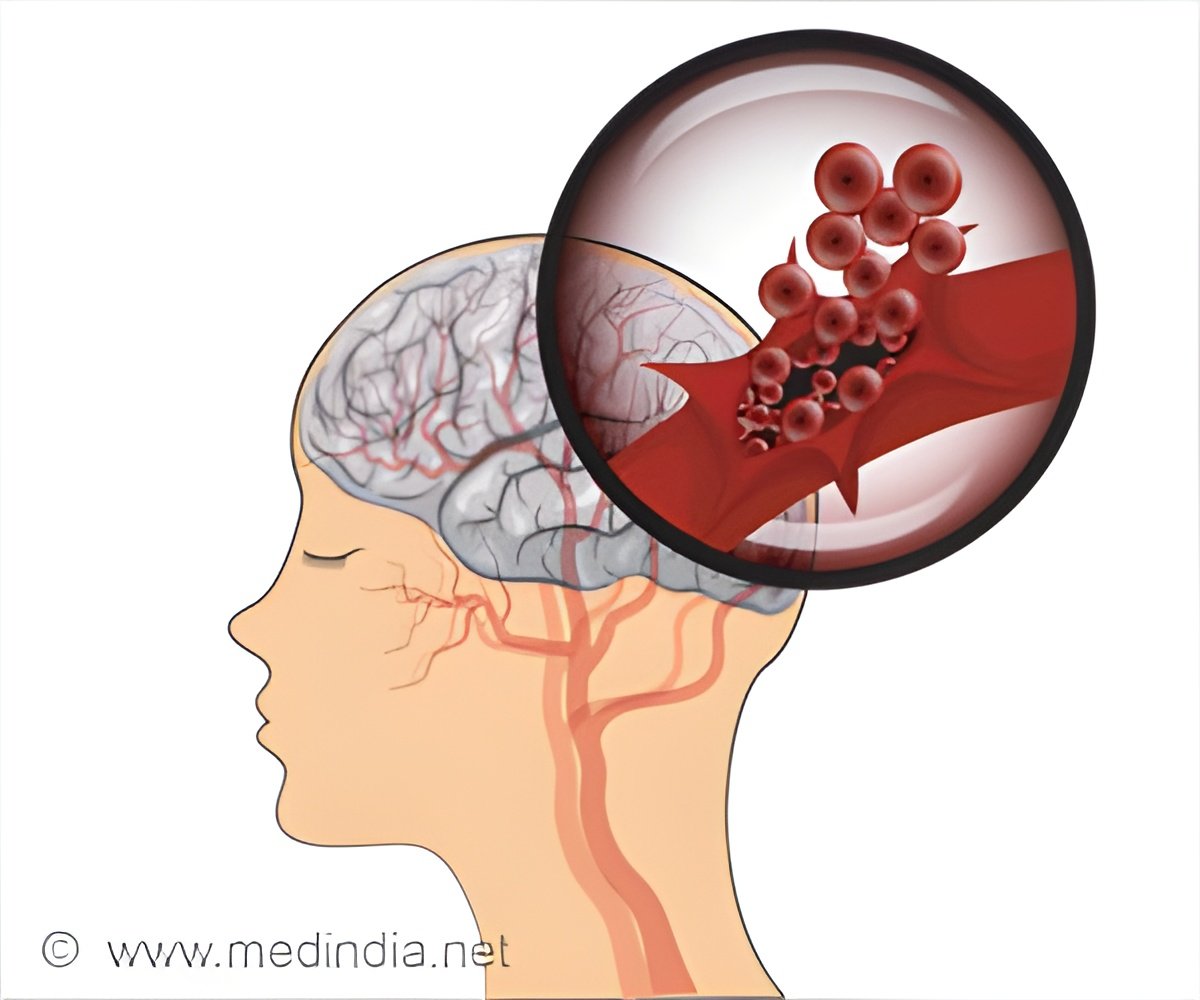
Stroke can cause permanent disability and it is important to recognize its early warning signs to stop its progress. Early warning signs of stroke include sudden weakness of facial muscles.
Stroke can cause permanent disability and it is important to recognize its early warning signs to stop its progress. Early warning signs of stroke include sudden weakness of facial muscles.
TOP INSIGHT

The new protein provides a potential therapeutic target that could prevent or delay the progress of neurodegenerative diseases following a stroke.
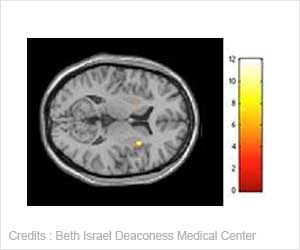
In both human brain tissue and mouse models developed by researchers, AIF3 levels were elevated after a stroke. In mice, the stroke-induced production of AIF3 led to severe progressive neurodegeneration, hinting at a potential mechanism for a severe side effect of stroke observed in some patients. Stroke has been recognized as the second most common cause of dementia, and it is estimated that 10 percent of stroke patients develop post-stroke neurodegeneration within one year.
The molecular mechanism underlying AIF3 splicing-induced neurodegeneration involves the combined effect of losing the original form of AIF in addition to gaining the altered AIF3, leading to both mitochondrial dysfunction and cell death.

Quiz on Stroke
Stroke is the third leading cause of death world over. Besides, it also disables the affected people, making them completely dependent on caregivers for their daily needs. Lifestyle greatly affects the chances of developing a stroke. Thus, the incidence of stroke can be brought down to a great extent by leading a healthy lifestyle. Here is a quiz that tests if you know enough about this disabling condition.
Stroke is the third leading cause of death world over. Besides, it also disables the affected people, making them completely dependent on caregivers for their daily needs. Lifestyle greatly affects the chances of developing a stroke. Thus, the incidence of stroke can be brought down to a great extent by leading a healthy lifestyle. Here is a quiz that tests if you know enough about this disabling condition.
The findings are important for understanding the aftereffects of stroke, which strikes nearly 800,000 U.S. residents annually. Stroke kills one person every four minutes, according to the Centers for Disease Control and Prevention (CDC), and about one in every six deaths from cardiovascular disease is attributed to stroke - with ischemic strokes accounting for about 87 percent of all cases. Leading causes of stroke include high blood pressure, high cholesterol, smoking, obesity, and diabetes.

Angiography Improves Outcomes in Stroke Patients
Immediate angiography, rather than the standard computed tomography (CT scan), reduced stroke treatment time and was linked to improved recovery.
Immediate angiography, rather than the standard computed tomography (CT scan), reduced stroke treatment time and was linked to improved recovery.
Source-Eurekalert

Stroke Risk May Be Reduced With Triglyceride-Lowering Medication As Adjunct Therapy
Risk of stroke can be lowered to an additional 36% in people at increased risk of cardiovascular disease and already on cholesterol-lowering medications.
Risk of stroke can be lowered to an additional 36% in people at increased risk of cardiovascular disease and already on cholesterol-lowering medications.
 Email
Email