MEDINDIA
 English
 हिन्दी
 Español
 français
 中文
中文
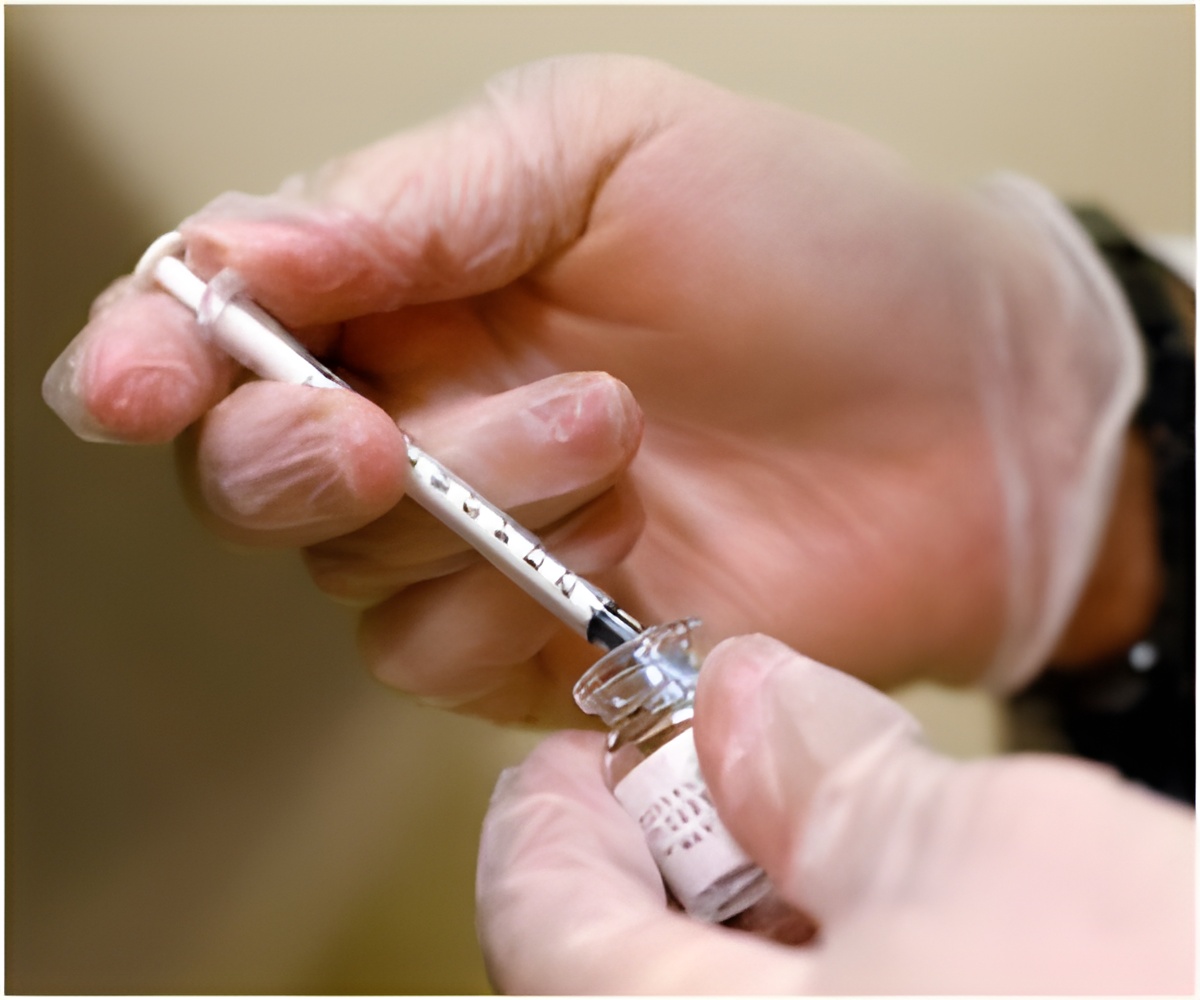
Computer-software program more efficaciously controlled blood-sugar levels in critically ill people than the attention given by nurse-directed care, states the first of its kind large clinical trial.
Insulin Delivery Devices
Insulin delivery devices have evolved drastically since their invention in 1922. They are all aimed to provide insulin to the patients with minimal discomfort.
Insulin delivery devices have evolved drastically since their invention in 1922. They are all aimed to provide insulin to the patients with minimal discomfort.
Hypoglycemia, or low blood sugar, occurs often in elderly diabetic patients, especially at night when they are asleep and unable to try to reverse it.
Sorli and the other researchers evaluated the rates of hypoglycemia in 915 patients ages 65 and older who had either Type 1 or Type 2 diabetes. The patients were among more than 4,300 diabetic individuals who participated in one of seven clinical trials that compared insulin degludec with a commercially available insulin (glargine). Insulin degludec is a basal, or long-lasting, injectable insulin that is awaiting approval by the U.S. Food and Drug Administration, according to its manufacturer, Denmark-headquartered Novo Nordisk, which funded this study.
What is Self-Monitoring of Blood Glucose
Self-Monitoring Of Blood Glucose (SMBG) is one of the greatest advancements in the management of Diabetes.
Self-Monitoring Of Blood Glucose (SMBG) is one of the greatest advancements in the management of Diabetes.
Hypoglycemia was defined as a plasma glucose, or blood sugar, level less than 56 milligrams per deciliter or a severe hypoglycemic episode requiring assistance. The rate of hypoglycemia occurring at night was significantly-35 percent-lower in the elderly patients treated with degludec than in those treated with glargine, Sorli said.

Diabetes Essentials: Types, Complications, Management & Treatment
Diabetes is a metabolic disease caused by insulin deficiency that leads to high blood sugar levels and several associated complications if left untreated.
Diabetes is a metabolic disease caused by insulin deficiency that leads to high blood sugar levels and several associated complications if left untreated.
These results in older adults are consistent with previously reported results from the overall adult patient population of these clinical trials, said Sorli, who disclosed that he is a member of Novo Nordisk''s speakers bureau and advisory board.
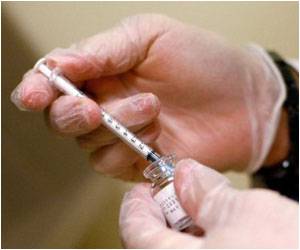
India�s Biocon Says Oral Insulin Trials Prove Promising
India's Biocon Ltd says it has received encouraging results from the clinical trials on its oral insulin product, IN-105.
India's Biocon Ltd says it has received encouraging results from the clinical trials on its oral insulin product, IN-105.
Source-Newswise
 Email
Email