MEDINDIA
 English
 हिन्दी
 Español
 français
 中文
中文
Factors such as eczema and rhinitis are associated with food allergy, possibly due to a certain gene defect that prevents the skin barrier from forming correctly.


American Parents in Dark About Using Epinephrine Shot for Kids' Food Allergies
When a child has a food allergy, it's critical for pediatricians and allergists to show parents when and how to use an epinephrine auto-injector.
When a child has a food allergy, it's critical for pediatricians and allergists to show parents when and how to use an epinephrine auto-injector.
TOP INSIGHT

Pet ownership may increase the likelihood of gut reactions to food, perhaps by altering the gut flora, which can affect how the digestive system works.
Risk factors differed between IgE mediated and non-IgE mediated reactions. For IgE mediated food allergy, eczema and rhinitis increased the risk of development but for non-IgE mediated food allergy, increased risk was associated with having a pet in the house and the age at which solid food was introduced to an infant.
Dr Kate Grimshaw, senior research fellow at the University of Southampton and specialist paediatric dietitian at Southampton Children's Hospital, said: "This study has offered us an interesting insight into what affects food allergies in children. Factors such as eczema and rhinitis are associated with food allergy, possibly due to a certain gene defect that prevents the skin barrier from forming correctly, leading to possible exposure of the immune system to allergens. Pet ownership may increase the likelihood of gut reactions to food, perhaps by altering the gut flora, which can affect how the digestive system works."

Luxury Restaurants No Longer Off Limits for Vegetarians and Food Allergies
Dealing with specific food allergies and vegetarian meals is not an issue for restaurants to handle as the Mediterranean diet comes to the rescue.
Dealing with specific food allergies and vegetarian meals is not an issue for restaurants to handle as the Mediterranean diet comes to the rescue.
The study also showed that over half of the children who reacted to milk did not have an IgE mediated allergy, whereas for the vast majority of children who reacted to egg and peanut, their reaction was IgE mediated. Dr Grimshaw said that the different reactions need to be treated differently by healthcare professionals.

Kids May Develop Food Allergies After Blood/Platelets Transfusion from Affected Donor
Blood donors who have food allergies can transfer immunoglobulin E, an antibody that reacts against allergens, from blood products such as platelets.
Blood donors who have food allergies can transfer immunoglobulin E, an antibody that reacts against allergens, from blood products such as platelets.
The research, a UK based cohort called PIFA (prevalence of infant food allergy) led by Professor Graham Roberts, of the University of Southampton, and funded by the UK Food Standards Agency, was part of a wider EU study, called the EuroPrevall project, which assed more than 9,000 babies from nine European countries.
Asian-Descent Children Have Decreased Risk of Food Allergies in Australia
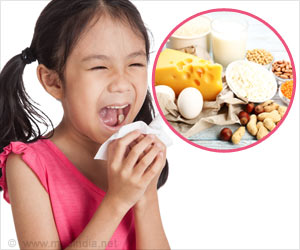
Migration from Asia after the early infant period appeared to be a protective factor against the development of nut allergy.
Migration from Asia after the early infant period appeared to be a protective factor against the development of nut allergy.
Source-Eurekalert
 Email
Email