MEDINDIA
 English
 हिन्दी
 Español
 français
 中文
中文
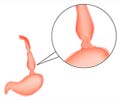
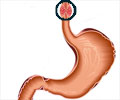
New models for the study of Barrett's esophagus may now be developed, thanks to a new study which focused on the regulation of stem cells lining the GI tract of fruit flies (Drosophila)
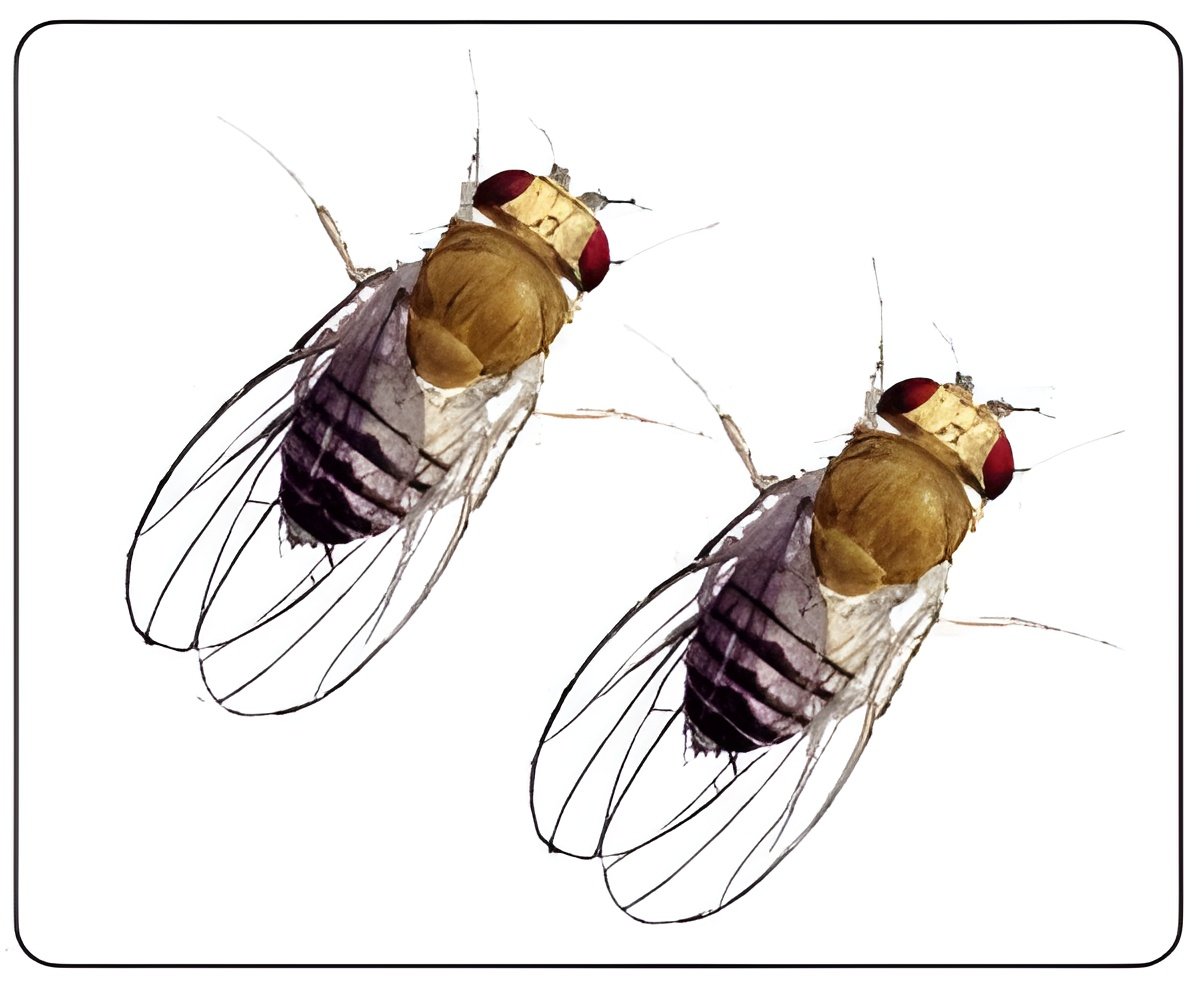

Scientists Identify Neurons That Control Feeding Behavior in Drosophila
At the University of Massachusetts Medical School, scientists have developed a novel transgenic system which allows them to remotely activate individual brain cells in the model organism Drosophila using ambient temperature.
At the University of Massachusetts Medical School, scientists have developed a novel transgenic system which allows them to remotely activate individual brain cells in the model organism Drosophila using ambient temperature.
Between five and ten percent of people with gastroesophageal reflux disease (GERD) develop Barrett's esophagus, usually after the age of 55. Among that population the risk of developing an esophageal adenocarcinoma is about 0.5 percent per year. Typically before the cancer develops, precancerous cells appear in the Barrett's tissue. Barrett's esophagus may be present for many years before cancer develops. Periodic upper GI endoscopy is often used to monitor those with the condition to watch for signs of cancer development.
The Jasper lab is developing the fruit fly, which shares many genetic pathways with humans, as a model to study gastrointestinal disease. Jasper says his lab is now looking at the impact BMP-like Dpp signaling has on the muscles and sphincters of the gastrointestinal system.

Drosophila Genes for Alcohol Sensitivity Identified
Research published in the online open access journal Genome Biology has identified a number of genes that are associated with alcohol sensitivity in fruit flies, Drosophila melanogaster.
Research published in the online open access journal Genome Biology has identified a number of genes that are associated with alcohol sensitivity in fruit flies, Drosophila melanogaster.
Source-Eurekalert
A New Signaling Mechanism in Drosophila
A new signalling mechanism among cells in the fruit fly, Drosophila melanogaster has been identified by investigators from the Institute of Research in Biomedicine .
A new signalling mechanism among cells in the fruit fly, Drosophila melanogaster has been identified by investigators from the Institute of Research in Biomedicine .
 Email
Email