MEDINDIA
 English
 हिन्दी
 Español
 français
 中文
中文
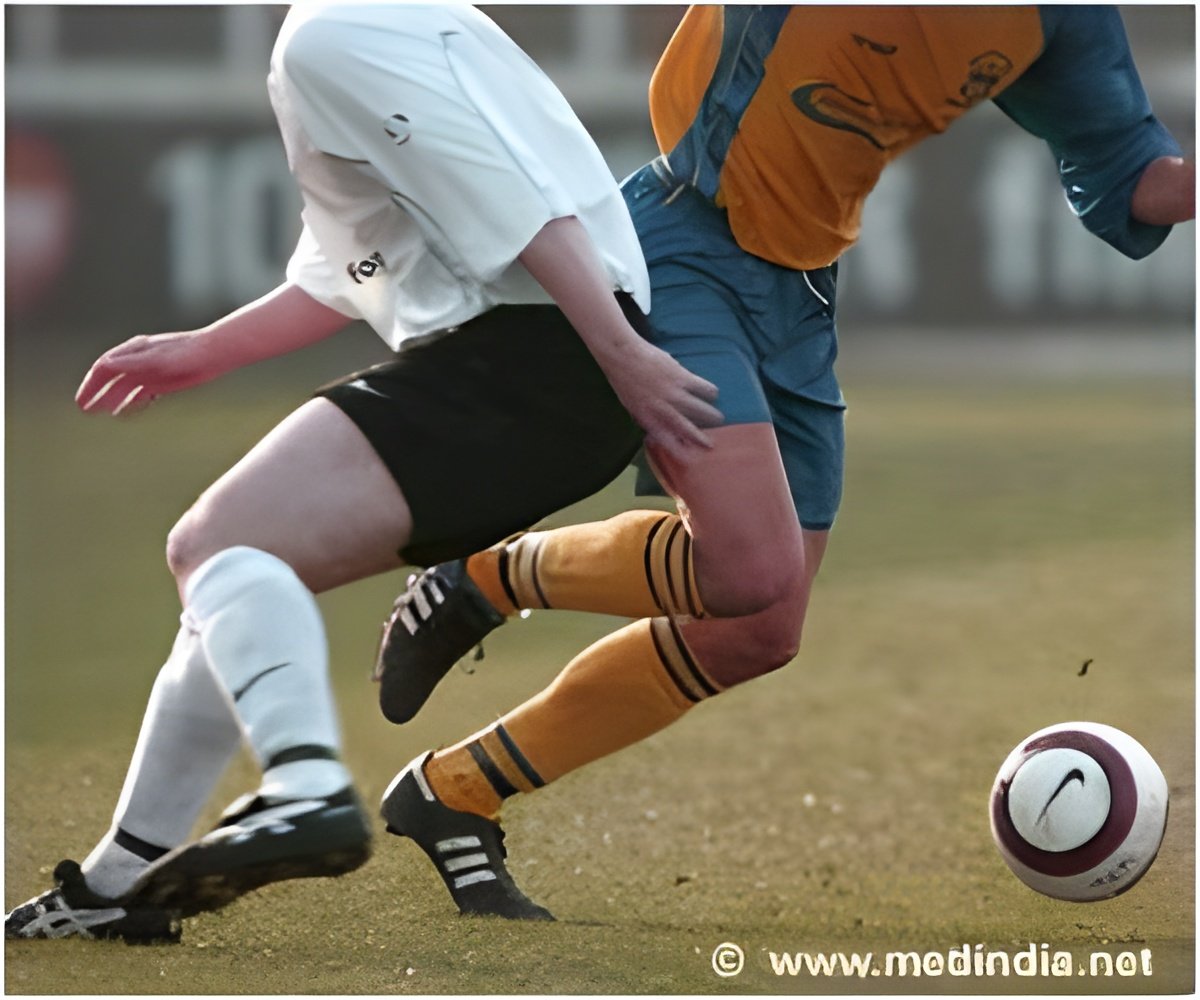
A unique combination of the harmful and the protective factors can predict cognitive outcomes in players who had suffered concussions during their football careers.
Scientists Explain Why Rest is Critical After a Concussion
Doctors who order several days of rest after a person suffers a concussion are giving sound advice, say experts, and new data from animal models explains why.
Doctors who order several days of rest after a person suffers a concussion are giving sound advice, say experts, and new data from animal models explains why.
TOP INSIGHT

Post-traumatic amnesia after a concussion is a more significant predictor of later cognitive deficits than the loss of consciousness.
"The most important factor in determining the potential cognitive deficits from sports-related concussions was the football players' cognitive reserve" said Matthew J. Wright, PhD, an LA BioMed lead researcher and lead author of the paper published online in the Journal of Clinical and Experimental Psychology. "We also found that post-traumatic amnesia after a concussion was a more significant predictor of later cognitive deficits than the loss of consciousness."
The research was conducted at LA BioMed, the John Wayne Cancer Institute and the University of North Carolina at Chapel Hill. To determine cognitive reserve, the researchers utilized test, questionnaire and interview data. The researchers also surveyed other studies, which have found cognitive reserve is protective in other forms of brain injury and disease, including Alzheimer's disease.

Concussions Had Spiked by 30 Percent This Super Bowl Season
Former New York Giants safety Tyler Sash had suffered from chronic traumatic encephalopathy (CTE), despite playing only two seasons in National Football League.
Former New York Giants safety Tyler Sash had suffered from chronic traumatic encephalopathy (CTE), despite playing only two seasons in National Football League.
"While further study is needed, our findings open the door to the possibility that professional football could use individual indices to predict the potential for long-term cognitive losses in determining when, or if, a player should return to the field after suffering a concussion," Dr. Wright said.
Technology Startups Tackle America's Concussion Epidemic
Sports organizations are looking for better concussion detection methods, and a sense of urgency has grown with the release of the 2015 film Concussion.
Sports organizations are looking for better concussion detection methods, and a sense of urgency has grown with the release of the 2015 film Concussion.

First Research Summit to Focus on Female Concussion and Traumatic Brain Injury
The International Summit on Female Concussion and Traumatic Brain Injury will be held Saturday, February 27, 2016, at Georgetown University.
The International Summit on Female Concussion and Traumatic Brain Injury will be held Saturday, February 27, 2016, at Georgetown University.
 Email
Email