MEDINDIA
 English
 हिन्दी
 Español
 français
 中文
中文
Certain anti-diabetic drugs increase this risk of bone fractures, particularly in postmenopausal women, severely limiting their treatment options.

Diabetes Prevention Programs Help is Reducing Blood Pressure, Cholesterol
Identifying people at risk for diabetes and enrolling them in programs may be an important public health approach to addressing growing diabetes burdens.
Identifying people at risk for diabetes and enrolling them in programs may be an important public health approach to addressing growing diabetes burdens.
TOP INSIGHT

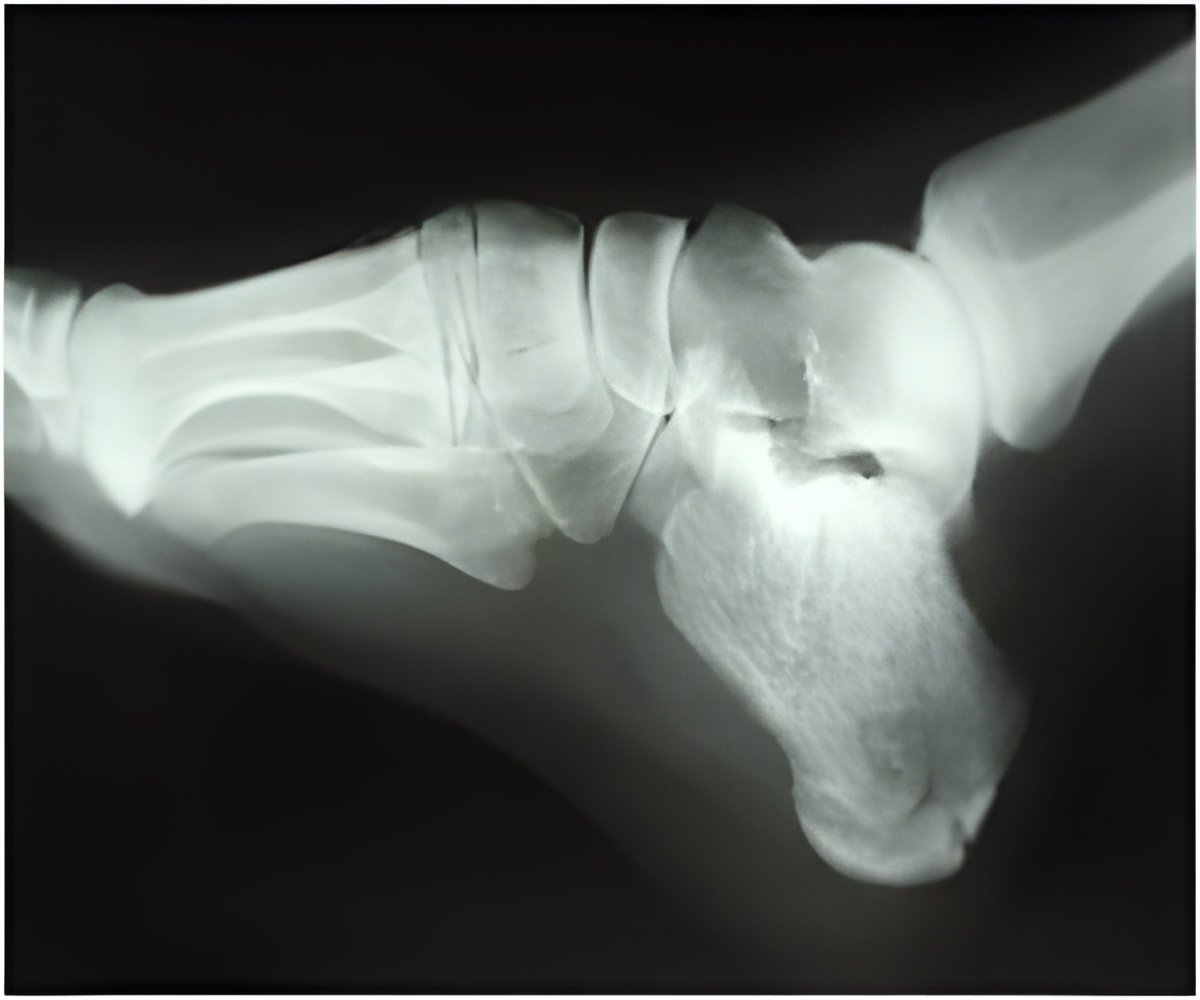
Type 2 diabetes is a condition closely associated with bone fractures, increasing the risk of fractures twofold. Certain anti-diabetic drugs further increase this risk.
The study was published recently online ahead of print by the journal EBioMedicine.
Diabetes affects more than 29 million people in the United States, according to a 2012 report from the American Diabetes Association. Between 2010 and 2012, the incidence rate was about 1.7 to 1.9 million per year, and in 2013, estimated direct medical costs of the disease were $176 billion.

New Drug Candidate Could Treat Both Type 2 Diabetes and Bone Loss
A new class of drug candidate developed at TSRI addresses multiple therapeutic indications - treat both diabetes and bone disease.
A new class of drug candidate developed at TSRI addresses multiple therapeutic indications - treat both diabetes and bone disease.
Anti-diabetic drugs known as glitazones (TZDs) target the PPARγ protein, but that interaction leads to severe bone loss and increased fractures. Stem cells in the bone marrow can differentiate either into bone cells or fat cells, and the glitazones drive them to fat at the expense of bone.

Early and Late Menopause can Increase Diabetes Risk
Women who had their menopause before age 46 were 25% more likely to develop type 2 diabetes, compared to women who had their menopause between ages 46 and 55.
Women who had their menopause before age 46 were 25% more likely to develop type 2 diabetes, compared to women who had their menopause between ages 46 and 55.
"Using structural biology technigues and rational design synthetic chemistry, SR10171 was constructed to engage the PPARγ protein in a unique way possessing an optimal balance with the receptor's other family member, PPARa, to treat diabetes and, at the same time, improve bone health," Griffin said. "This targeted polypharmacological approach demonstrates that the target isn't the problem if you target it correctly."

Flu Vaccination Reduces Risk Of Deaths In People With Type 2 Diabetes
Flu vaccine may reduce the likelihood of being hospitalized with stroke and heart failure in people with Type-2 diabetes
Flu vaccine may reduce the likelihood of being hospitalized with stroke and heart failure in people with Type-2 diabetes
"SR10171 improves bone mass regardless of body mass index, normal to obese," Griffin added. "So you could use such a drug to treat osteoporosis whether patients are diabetic or not."
The first author of the study, "PPARG Post-Translational Modifications Regulate Bone Formation and Bone Resorption," is L.A. Stechschulte of the University of Toledo, Ohio. Other authors include P.J. Czernik, Z.C. Rotter and F.N. Tausif of the University of Toledo; C.A. Corzo, D.P. Marciano, A. Asteian, J. Zheng and T.M. Kamenecka of TSRI; J. B. Bruning of The University of Adelaide, Australia; and C.J. Rosen of the Maine Medical Center Research Institute.
The study was supported by the National Institutes of Health (grant numbers DK080261 and DK105825); the American Diabetes Association (award 7-13-BS-089), the Abrams Charitable Trust and the Klorfine Family Fellowship.
Source-Newswise
 Email
Email