MEDINDIA
 English
 हिन्दी
 Español
 français
 中文
中文
Children who responded well to peanut allergy therapy had lower immune reactivity, with reduced immunoglobulins and cytokines.
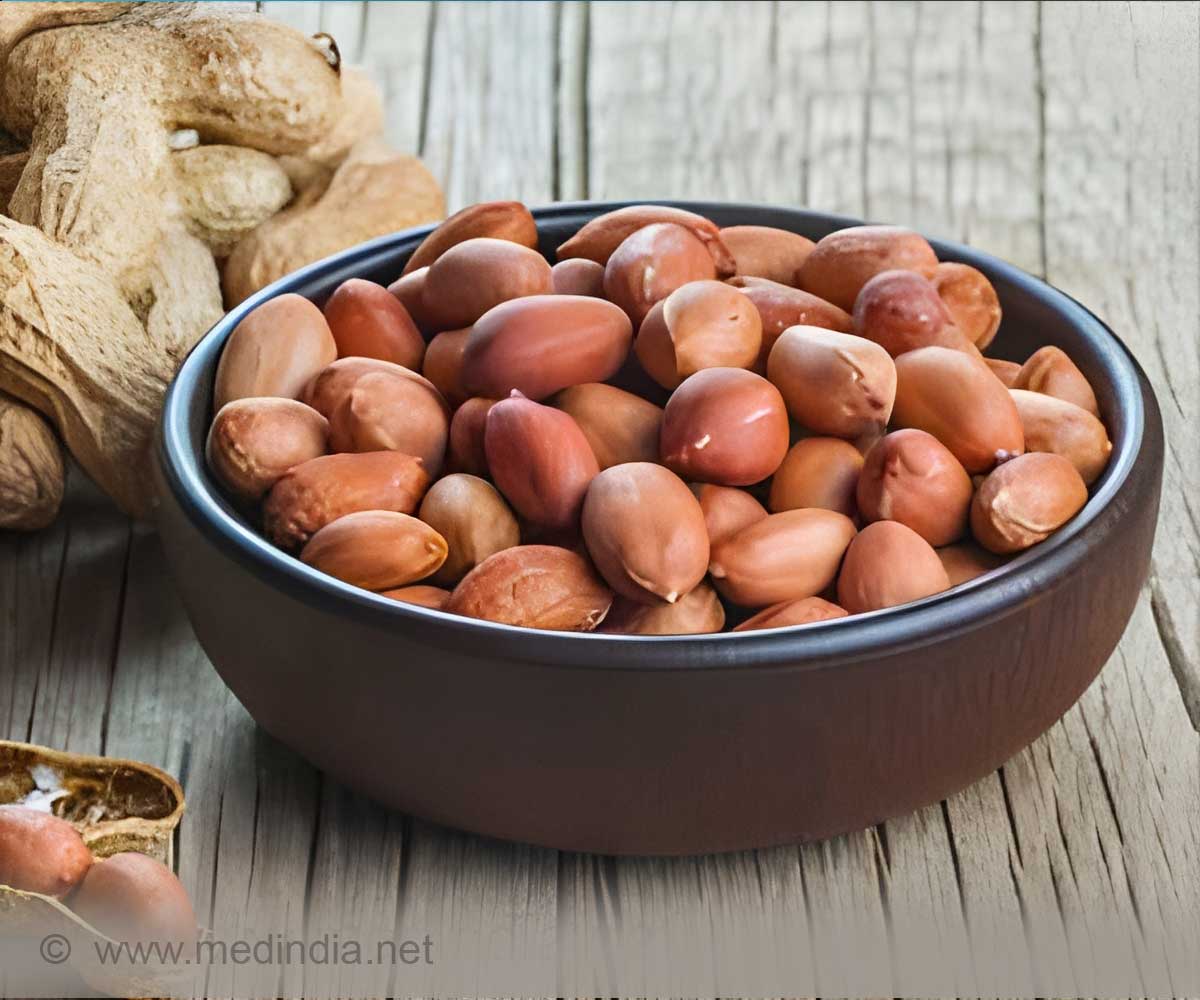
Understanding the Variability of Peanut-Oral Immunotherapy Responses by Multi-Omics Profiling of Immune Cells
Go to source).
Peanut Allergy: A Potent Threat, From Itching to Anaphylaxis
Peanut allergy is among the most common—and most dangerous—food allergies worldwide. Even trace amounts of peanuts can trigger symptoms such as itching, swelling, or, in severe cases, life-threatening anaphylaxis.
TOP INSIGHT

Big news for kids with #peanut #allergies! New study opens the door to #personalized_treatments, aiming for more effective and safer approaches. This could change lives for the 3% of children affected in industrialized countries! #PeanutAllergy #AllergyResearch #ChildHealth
Recently, oral desensitization has become available for children with peanut allergies. “Some children respond well to this treatment, but others don’t benefit at all,” says Professor Young-Ae Lee, Group Leader of the Molecular Genetics of Allergic Diseases lab at the Max Delbrück Center. “In some cases, the therapy – based on gradually increasing doses of peanut allergens – can even trigger anaphylactic reactions.”
A team led by Lee and Professor Kirsten Beyer, Head of the Pediatric Allergy Clinical Research Center at Charité – Universitätsmedizin Berlin, has now investigated why children respond so differently to the therapy and how to make it safer and more effective. Their study, published in “Allergy,” was led by first author Dr. Aleix Arnau-Soler, a scientist in Lee’s lab. “We looked for molecular changes in the immune systems of children undergoing oral immunotherapy – and we found them,” explains Arnau-Soler.

Health Benefits of Peanuts
When eating peanuts, it is important to be aware of the calories in peanuts. There are many health benefits of peanuts. Hence, consuming them in moderation is important for good health.
When eating peanuts, it is important to be aware of the calories in peanuts. There are many health benefits of peanuts. Hence, consuming them in moderation is important for good health.
Unraveling Why Peanut Allergy Therapy Works Differently in Children
For their study, the researchers analyzed blood samples from 38 children, with an average age of seven, who were undergoing oral desensitization for peanut allergy at Charité. The team measured levels of immunoglobulins, which are allergy-related antibodies, and cytokines, which are inflammatory messengers, before and after therapy.They also assessed how much peanut protein each child could tolerate before and after treatment – essentially, how successful the desensitization was. To delve deeper, they used modern omics technologies to identify which genes in the children’s immune cells were activated when they were exposed to peanut proteins in the lab.

Test Your Knowledge on Food Allergy
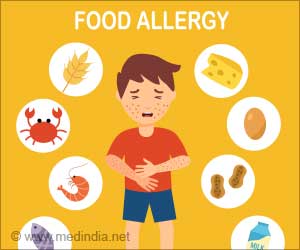
Food allergy is an abnormal response of the body to certain kinds of food. The signs and symptoms may be mild to severe. Symptoms such as flu or common cold often seems trivial or go unnoticed. But, food allergy is not to be confused with food ...
Food allergy is an abnormal response of the body to certain kinds of food. The signs and symptoms may be mild to severe. Symptoms such as flu or common cold often seems trivial or go unnoticed. But, food allergy is not to be confused with food ...
The team also found consistent differences in gene expression and DNA methylation patterns between children who responded well and those who didn’t. Methylation plays a key role in regulating gene activity.
Sublingual Immunotherapy May Cure Peanut Allergy
Sublingual immunotherapy can be a promising treatment for peanut allergies in children.It reduce the accidental exposure risk and help provide a strong desensitization effect.
Sublingual immunotherapy can be a promising treatment for peanut allergies in children.It reduce the accidental exposure risk and help provide a strong desensitization effect.
“Our results open the door to personalized approaches to treating peanut allergy – which affects three percent of all children in industrialized countries – more effectively and safely in the future,” says Lee.
“We now have potential biomarkers to find out how well a child will respond to the therapy and what risks are associated with it in each individual case, even before the therapy begins.”
It may soon be possible to tailor the length of treatment and the amount of peanut allergen given to each child’s unique immune profile.
The team is currently working to validate their findings in a follow-up study. They also plan to further investigate the gut-associated immune cells found in blood. “At the same time, we’re developing a predictive model so that in the future we can use a simple blood test to better tailor oral desensitization to the individual child,” adds Arnau-Soler. That could make peanut allergy far less frightening for families.
Reference:
- Understanding the Variability of Peanut-Oral Immunotherapy Responses by Multi-Omics Profiling of Immune Cells - (https://onlinelibrary.wiley.com/doi/10.1111/all.16627)
Source-Eurekalert
 Email
Email