MEDINDIA
 English
 हिन्दी
 Español
 français
 中文
中文
Dopamine neurons derived from fetal tissue, that are transplanted into the midbrains of adult patients with Parkinson's disease can remain healthy for years
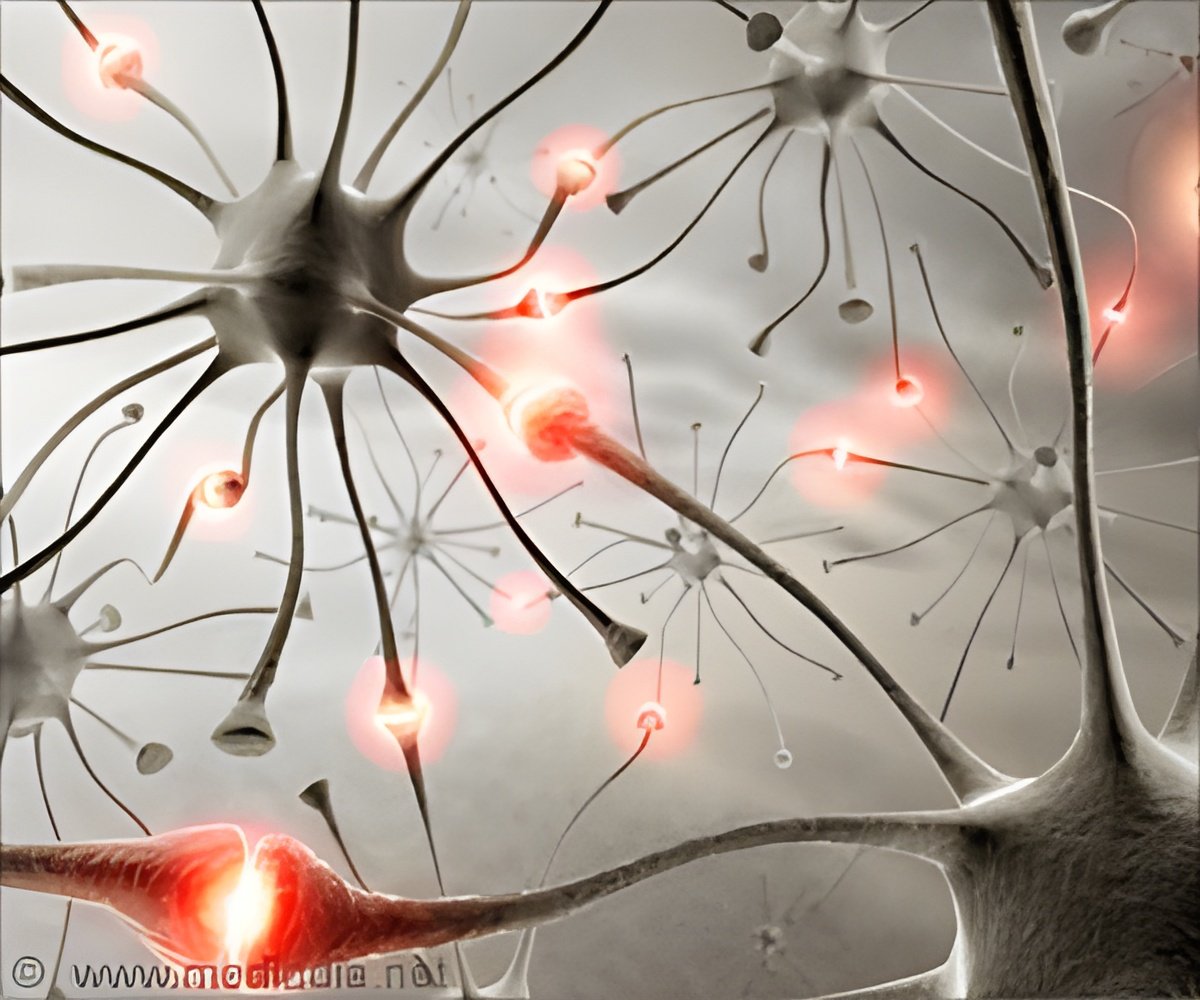

Parkinson’s Disease - Causes, Symptoms, Diagnosis, Treatment
Parkinson’s disease is a neurodegenerative disease caused by progressive dopamine brain cells loss. Symptoms of Parkinson’s disease are correctable to an extent.
Parkinson’s disease is a neurodegenerative disease caused by progressive dopamine brain cells loss. Symptoms of Parkinson’s disease are correctable to an extent.
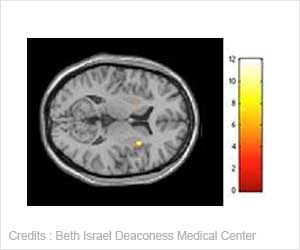
In the new study, Isacson and his colleagues examined dopamine neurons in five patients who had received fetal cell transplantation four to 14 years earlier. Their examination showed normal expression of dopamine transporters. The transplanted dopamine neurons also appeared to remain healthy and functional over time, with no signs of the degeneration characteristic of Parkinson's disease.
Isacson said it is now clear that fetal cell transplantation has been beneficial for patients with Parkinson's disease; some patients have continued to improve clinically for decades without any medication for the disease at all. However, the therapeutic approach—in which a cell suspension derived from fetuses is injected directly into the relevant portion of the brain—has been offered to only a limited number of patients participating in clinical trials.
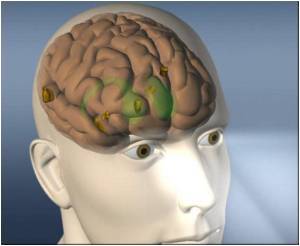
Electrical Stimulation of Dopamine Neurons Altered Human Learning
A team of neuroscientists at the University of Pennsylvania reported that the learning process can be altered with the stimulation of a certain population of neurons within the brain.
A team of neuroscientists at the University of Pennsylvania reported that the learning process can be altered with the stimulation of a certain population of neurons within the brain.

Autism Linked to 2 Biological Pathways in Brain in Mice With 'Mohawks'
Finding mice with Mohawk-like hairstyles is one of those rare eureka moments in medical research, say scientists.
Finding mice with Mohawk-like hairstyles is one of those rare eureka moments in medical research, say scientists.
 Email
Email