MEDINDIA
 English
 हिन्दी
 Español
 français
 中文
中文
A new study has found that carefully selected young, healthy neurons can functionally integrate into diseased brain circuitry in mammals.

About Brain Tumor
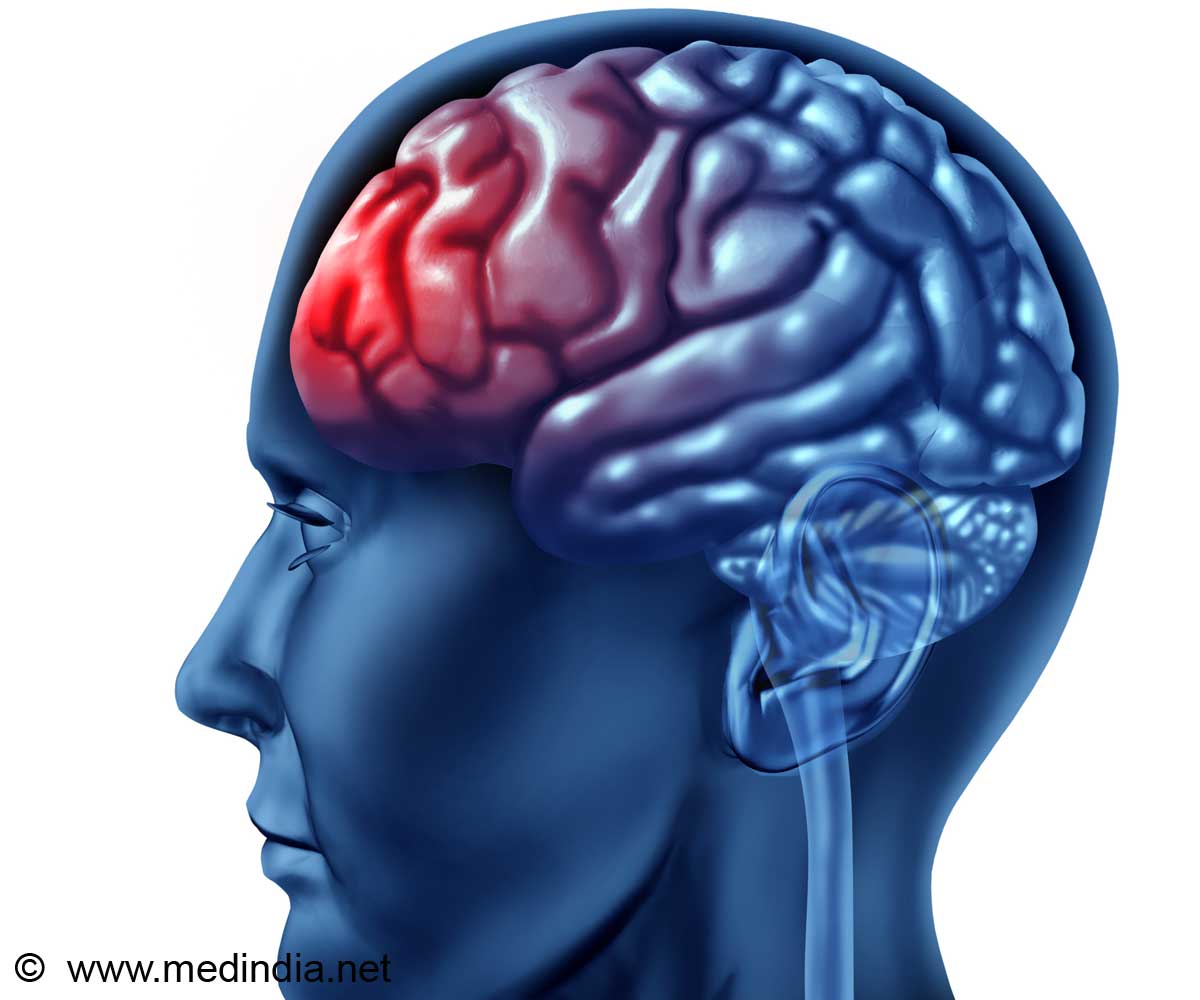
Brain tumors are the abnormal growth of brain cells that may be benign or metastatic. Brain tumors account for about 2.4% of all the tumor diagnosesandare most challenging due to their critically delicate location.
Brain tumors are the abnormal growth of brain cells that may be benign or metastatic. Brain tumors account for about 2.4% of all the tumor diagnosesandare most challenging due to their critically delicate location.
"There are only two areas of the brain that are known to normally undergo ongoing large-scale neuronal replacement during adulthood on a cellular level-so-called 'neurogenesis,' or the birth of new neurons-the olfactory bulb and the subregion of the hippocampus called the dentate gyrus, with emerging evidence of lower level ongoing neurogenesis in the hypothalamus," Jeffrey Macklis, one of three corresponding authors on the paper, said.
"The neurons that are added during adulthood in both regions are generally smallish and are thought to act a bit like volume controls over specific signaling. Here we've rewired a high-level system of brain circuitry that does not naturally experience neurogenesis, and this restored substantially normal function," he said.
Quiz on Brain
The human brain is exquisitely intrinsic and is the seat of all emotions. If you are curious about what makes you bad, sad, silly or glad this quiz on the brain will satiate you.
The human brain is exquisitely intrinsic and is the seat of all emotions. If you are curious about what makes you bad, sad, silly or glad this quiz on the brain will satiate you.
Postdocs Artur Czupryn and Maggie Chen, from Macklis's and Flier's labs, respectively, transplanted and studied the cellular development and integration of progenitor cells and very immature neurons from normal embryos into the hypothalamus of the mutant mice using multiple types of cellular and molecular analysis.

Brilliant Human Brain
The most amazing and complex organ in the entire universe, the human brain continues to remain an enigma.
The most amazing and complex organ in the entire universe, the human brain continues to remain an enigma.
Postdoc Yu-Dong Zhou, from Anderson's lab, performed in-depth electrophysiological analysis of the transplanted neurons and their function in the recipient circuitry, taking advantage of the neurons' glowing green from a fluorescent jellyfish protein carried as a marker.
Top 10 Amazing Brain Facts
The brain is the most amazing and complex organ in this universe and has billions of nerve cells called as neurons. Medindia brings to you the top 10 amazing brain facts.
The brain is the most amazing and complex organ in this universe and has billions of nerve cells called as neurons. Medindia brings to you the top 10 amazing brain facts.
The new neurons integrated functionally into the circuitry, responding to leptin, insulin, and glucose.
The researchers found that the treated mice matured and weighed approximately 30 percent less than their untreated siblings or siblings treated in multiple alternate ways.
The study has been recently published in Science.
Source-ANI
 Email
Email