MEDINDIA
 English
 हिन्दी
 Español
 français
 中文
中文
A new study suggests that nearly half of older adults – 18 million people—have difficulty or get help with daily activities.


Temporary and Permanent Hearing Loss in Adults
Understanding various causes of hearing loss can help conserve hearing especially if it is a temporary hearing loss. Permanent hearing impairment can be managed with a proper hearing aid fitting.
Understanding various causes of hearing loss can help conserve hearing especially if it is a temporary hearing loss. Permanent hearing impairment can be managed with a proper hearing aid fitting.
Among those receiving help, one in four lived in either a supportive care setting (15 percent) or a nursing home (10 percent).
Severe disability is more common among those with low incomes, the researchers found. A disproportionate share of low-income persons received assistance with three or more self-care or mobility activities in settings other than nursing homes.
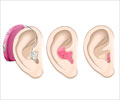
Getting the Right Hearing Aid for Adults
Hearing aid fitting is done by a qualified audiologist after measuring various parameters and extent of hearing loss. It is a process unique to every individual with hearing loss, and also involves counseling about getting adjusted to the hearing aid.
Hearing aid fitting is done by a qualified audiologist after measuring various parameters and extent of hearing loss. It is a process unique to every individual with hearing loss, and also involves counseling about getting adjusted to the hearing aid.
Older adults who lived in the community reported receiving an average of 164 hours of care a month from informal caregivers – more than five hours a day, on average. Older adults living in supportive care settings reported nearly 50 hours of informal care per month.
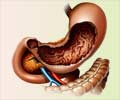
Pyloric Stenosis in Adults - Causes Symptoms Signs Diagnosis Treatment
Pyloric stenosis is a rare disorder in adults that is caused due to abnormal thickening of pyloric sphincter muscle, thereby narrowing the gastric outlet.
Pyloric stenosis is a rare disorder in adults that is caused due to abnormal thickening of pyloric sphincter muscle, thereby narrowing the gastric outlet.
Unmet needs, especially among those receiving paid assistance, were sizable, according to the authors. "Among the 18 million who had difficulty or received help, 30 percent had an adverse consequence in the last month related to unmet need," said Spillman. "Among community residents with a paid caregiver, the figure was nearly 60 percent."
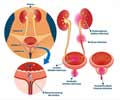
Urinary Tract Infection (UTI) in Adults Causes Symptoms Diagnosis Treatment FAQ
Urinary tract infection (UTI) is a bacterial infection which can happen anywhere along the urinary tract.
Urinary tract infection (UTI) is a bacterial infection which can happen anywhere along the urinary tract.
Source-Eurekalert
 Email
Email