MEDINDIA
 English
 हिन्दी
 Español
 français
 中文
中文
An exhausted but determined young lady gave birth to a baby girl on a remains of the aftermath of the Philippine's deadliest storm.
How Exercises can help with Safe Delivery and Fit Motherhood
Every pregnant woman should be aware about the basic needs of her body during the time of pregnancy. Proactive physical therapist consult is a must for healthy pregnancy.
Every pregnant woman should be aware about the basic needs of her body during the time of pregnancy. Proactive physical therapist consult is a must for healthy pregnancy.
The home Emily shares with Bea Joy and her unemployed husband, Jobert, is so close to the Pacific Ocean that the grey sand beach forms the floor of their tiny kitchen and sleeping area.
It is built on the same site as their previous home in San Jose, a fishing community in Tacloban city where all the buildings were wiped out as higher-than-coconut-tree waves generated by Haiyan powered inland.
Breech Presentation and Delivery / Breech Birth
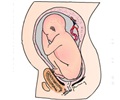
Breech birth or presentation is delivery of the fetus in a bottom or foot-first position. Causes of breech presentation include premature labor, uterine malformations and fetal abnormalities.
Breech birth or presentation is delivery of the fetus in a bottom or foot-first position. Causes of breech presentation include premature labor, uterine malformations and fetal abnormalities.
Emily, Jobert and Bea Joy have so far had a steady supply of food and water, thanks almost entirely to donations from foreign and local charities.

Congenital Diaphragmatic Hernia-Paehernia-Detection-After Delivery-Effects
Congenital diaphragmatic hernia can be detected before birth with prenatal ultrasound scan. The presence of a hole in the diaphragm results in breathing difficulties due to incomplete growth of lungs.
Congenital diaphragmatic hernia can be detected before birth with prenatal ultrasound scan. The presence of a hole in the diaphragm results in breathing difficulties due to incomplete growth of lungs.
Emily never did suffer from infections from the cuts suffered during the storm and giving birth in unsterile conditions.
The fresh salt-filled breeze from the Pacific Ocean haunts Emily.
"We are afraid because we are near the sea. When there is a strong wind... I start thinking about how to flee," she said as she washed clothes by hand in a plastic bucket outside her house.
Like their neighbours, Emily and Jobert have to continue living in San Jose as they have no money to go anywhere else and the government has yet to deliver on promises to relocate them.
Jobert was working as a delivery man in Manila, the nation's capital 600 kilometres (370 miles) away, when the typhoon hit. He lost his job when he decided to return home and care for his family.
"I'll do any job... but not if it is far away. I have to stay here," said Jobert, 29, whose mother died in the storm.
A year ago, Emily also worked in Manila, as a maid, and the pair earned a combined $150 a month -- placing them among the poorest of the working masses in the Philippines but with enough to survive independently.
Now, the family income is about a dollar a day, which Jobert earns by taking passengers in and around San Jose on a pedicab that was donated by a relief agency.
That money goes almost immediately on nappies for Bea Joy, plus some eggs and other supplements to the relief food.
Emily spends most of her days doing daily chores and caring for Bea Joy. She cooks on an open fire in their cramped, sandy kitchen. The roof is made from a UNHCR tarpaulin and corrugated iron sheets salvaged after the storm.
Even during the day, meals are eaten sitting down on the concrete floor of their tiny living area in dusk-like darkness, as there is no electricity.
The heat and humidity inside feels suffocating, with Bea Joy's swinging hammock generating the only faint movements of the air.
- Craving normalcy -
Emily and Jobert are desperate for more, but not a lot.
"We are hoping we can have the life we had before, a normal life. We hope that we can have a new home, not like this one," Jobert said.
Emily, whose potentially beautiful smile reveals the rotten and disfigured teeth of an impoverished childhood, struggles to offer a vision for her family's future other than ensuring Bea Joy remains healthy.
But her fortitude since the typhoon also engenders confidence.
Emily left the airport after giving birth on a pedicab and took a half-hour ride with Bea Joy through corpse-strewn roads back to an evacuation centre.
Asked if she felt fear then, or when she was in labour at the shattered airport compound, Emily shook her head in the negative and said: "I just tried to be strong for my baby."
Source-AFP
 Email
Email