MEDINDIA
 English
 हिन्दी
 Español
 français
 中文
中文
Treatment for cancer is ignored about two to four times by HIV-infected people diagnosed with cancer, compared to uninfected cancer patients, reveal researchers.


About AIDS/HIV - Prevention And Transmission
Encyclopedia section of medindia explains in brief about the prevention for AIDS/HIV
Encyclopedia section of medindia explains in brief about the prevention for AIDS/HIV
"This could help explain in part why many HIV-positive cancer patients are not receiving appropriate cancer care," she added.
Dr. Suneja collaborated with researchers at the NCI, as well as registrars from three states—Connecticut, Michigan, and Texas—that provided data to NCI's HIV/AIDS Cancer Match Study. The researchers used the data to study adults diagnosed with non-Hodgkin lymphoma, Hodgkin lymphoma, or cervical, lung, anal, prostate, colorectal, or breast cancer from 1996 through 2010. Over 3,000 HIV-infected and one million uninfected cancer cases were examined.
About Pre Cancerous Lesions
Encyclopedia section of medindia gives general information about Pre Cancerous Lesions
Encyclopedia section of medindia gives general information about Pre Cancerous Lesions
In the early era of the HIV epidemic there were reports of worse toxicity and side effects, but there are now more effective ways to support the immune system, most of them safe, tolerable and effective. Still, treatments for cancer patients with HIV can be clinically challenging due to drug interactions and the potential increase in immunosuppression from chemotherapy or radiation.

AIDS and Pregnancy - Treatment - Caring HIV Babies
The Acquired immune deficiency syndrome is brought about by the deadly human immunodeficiency virus. In the USA alone an estimate of 120,000 - 160,000 women are HIV- infected.
The Acquired immune deficiency syndrome is brought about by the deadly human immunodeficiency virus. In the USA alone an estimate of 120,000 - 160,000 women are HIV- infected.
"The results of this study are very concerning and require further investigation to understand why such a substantial proportion of HIV-infected cancer patients are not undergoing life-saving treatment," said Dr. Suneja. "As cancer becomes an increasingly common cause of death in the HIV population, the issue of cancer treatment in the HIV-infected cancer population will grow in importance."
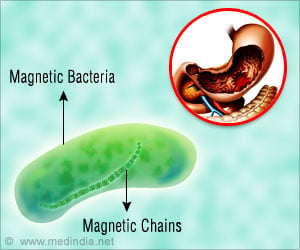
Magnetic Bacteria That can Help Diagnose Stomach Cancer Created by Scientists
Scientists have developed a much-needed technique in the form of magnetic bacteria that can help with screening and treating stomach cancers.
Scientists have developed a much-needed technique in the form of magnetic bacteria that can help with screening and treating stomach cancers.
 Email
Email