MEDINDIA
 English
 हिन्दी
 Español
 français
 中文
中文
From 2006 to 2015, the cases of melanoma among U.S. adolescents and young adults declined markedly, shows research.
Melanoma - Causes, Symptoms, Diagnosis, Treatment & Prevention
Melanoma of the skin is a dangerous type of skin cancer that usually appears as a cancerous mole due to exposure to the sun’s damaging UV rays.
Melanoma of the skin is a dangerous type of skin cancer that usually appears as a cancerous mole due to exposure to the sun’s damaging UV rays.
TOP INSIGHT

Public-health efforts advocating sun protection are changing behaviors among Millennials and Post-Millennials.
Melanoma, triggered by ultraviolet radiation from the sun, is the most common skin cancer and is fifth most common among all cancers in U.S. men and women. If it is detected and treated early, patients have a better than 95% chance of surviving five years or more. If not caught early, though, it can spread to structures such as the lungs, brain, or liver, and become highly lethal.
"The vast majority of my practice is older and middle-age adults, but absolutely melanoma can affect younger patients," said Dr. Jennifer Gardner, co-senior editor of the study and a clinical assistant professor of medicine (dermatology) at the UW School of Medicine. "I do have patients who are in the prime of their life and otherwise healthy, and they're thinking about other things and bigger ambitions, and unfortunately this diagnosis really hits them quite hard."

Test your Knowledge on Moles and Melanoma
Melanoma is a skin condition that is often a consequence of excessive exposure to the sun’s ultraviolet radiation. Test your knowledge on melanoma by taking this quiz.
Melanoma is a skin condition that is often a consequence of excessive exposure to the sun’s ultraviolet radiation. Test your knowledge on melanoma by taking this quiz.
"We were wondering, with the advent of public health programs to increase sun protection - sunscreen and hats and staying in the shade and all the recommendations for skin cancer prevention - if that effort is working. Is there a corresponding decrease we can see reflected in melanoma rates?" said Madeleine.
Skin Cancer - Top 15 Facts
Skin cancer is the most common type of cancer, which affects children and older adults. Learn more about the causes and health facts of skin cancer.
Skin cancer is the most common type of cancer, which affects children and older adults. Learn more about the causes and health facts of skin cancer.
However, for adolescents and young adults, incidence peaked around 2005 and then fell sharply through 2015: Among males, the incidence rate dropped about 4% per year and, among females, about 4.5% per year across the two age groups.
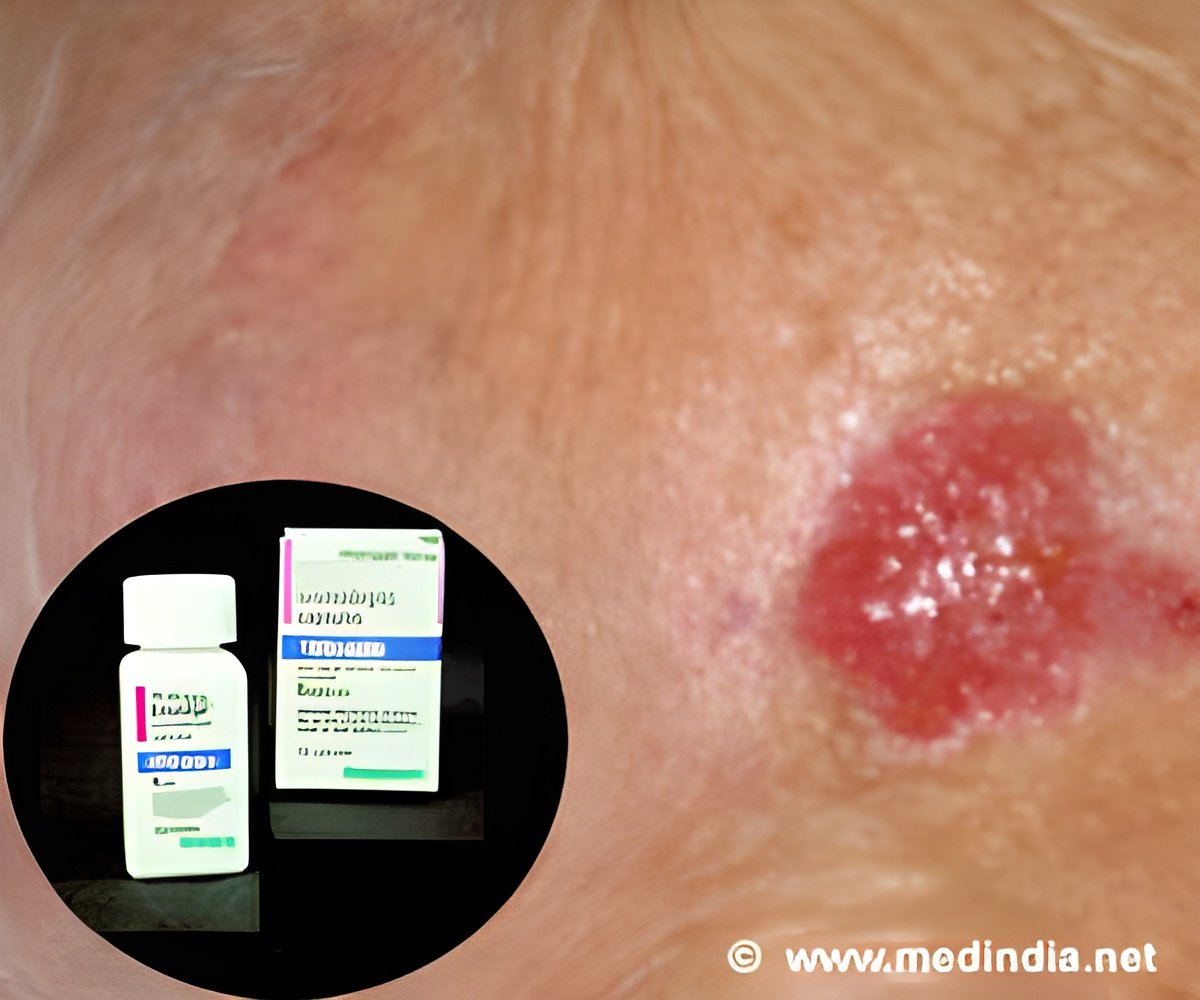
Melanoma Treatment - New Investigational Drug Shows Promise in Early Phase I Clinical Trials
Novel compound dubbed MK-8353 offers hope in the treatment of melanoma and other cancers with mutations in BRAF or RAS genes in early phase I clinical trials
Novel compound dubbed MK-8353 offers hope in the treatment of melanoma and other cancers with mutations in BRAF or RAS genes in early phase I clinical trials
Source-Eurekalert
 Email
Email