MEDINDIA
 English
 हिन्दी
 Español
 français
 中文
中文
Just 20 minutes of meditation can do to enhance the brain's ability to detect and pay attention to mistakes, said study.


Benefits of Meditation / Meditation Therapy - Techniques - Stress Management
Meditation therapy is one of the best Alternative Therapies. It is a Mind-Body Medicine.
Meditation therapy is one of the best Alternative Therapies. It is a Mind-Body Medicine.
TOP INSIGHT

Just 20 minutes of meditation can do to enhance the brain's ability to detect and pay attention to mistakes.
The findings suggest that different forms of meditation can have different neurocognitive effects and Lin explained that there is little research about how open monitoring meditation impacts error recognition.
"Some forms of meditation have you focus on a single object, commonly your breath, but open monitoring meditation is a bit different," Lin said. "It has you tune inward and pay attention to everything going on in your mind and body. The goal is to sit quietly and pay close attention to where the mind travels without getting too caught up in the scenery."

Meditation: Just For The Mind?
We meditate to calm the mind and perceive inner self through spirituality. On the other hand, we also meditate to relieve stress and ease other lifestyle disorders.
We meditate to calm the mind and perceive inner self through spirituality. On the other hand, we also meditate to relieve stress and ease other lifestyle disorders.
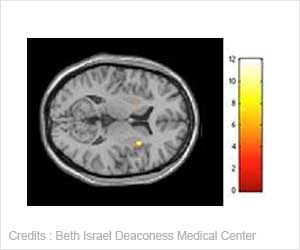
The participants, who had never meditated before, were taken through a 20-minute open monitoring meditation exercise while the researchers measured brain activity through electroencephalography, or EEG. Then, they completed a computerized distraction test.

Mindfulness Meditation
Mindfulness meditation is awareness of actuality and being in a non-judgemental state. It gives peace of mind, self-friendship and a sense of being in present.
Mindfulness meditation is awareness of actuality and being in a non-judgemental state. It gives peace of mind, self-friendship and a sense of being in present.
While the meditators didn't have immediate improvements to actual task performance, the researchers' findings offer a promising window into the potential of sustained meditation. "It makes us feel more confident in what mindfulness meditation might really be capable of for performance and daily functioning right there in the moment."

Mindfulness Meditation Enhances Positive Effects of Psilocybin: Study
Mindfulness training enhances the positive effects of a single dose of psilocybin (mushroom compound), and can increase empathy and permanently reduce ego-centricity, stated research.
Mindfulness training enhances the positive effects of a single dose of psilocybin (mushroom compound), and can increase empathy and permanently reduce ego-centricity, stated research.
Looking ahead, Lin said that the next phase of research will be to include a broader group of participants, test different forms of meditation and determine whether changes in brain activity can translate to behavioral changes with more long-term practice.
"It's great to see the public's enthusiasm for mindfulness, but there's still plenty of work from a scientific perspective to be done to understand the benefits it can have, and equally importantly, how it actually works," Lin said. "It's time we start looking at it through a more rigorous lens."
Source-Eurekalert
 Email
Email