MEDINDIA
 English
 हिन्दी
 Español
 français
 中文
中文
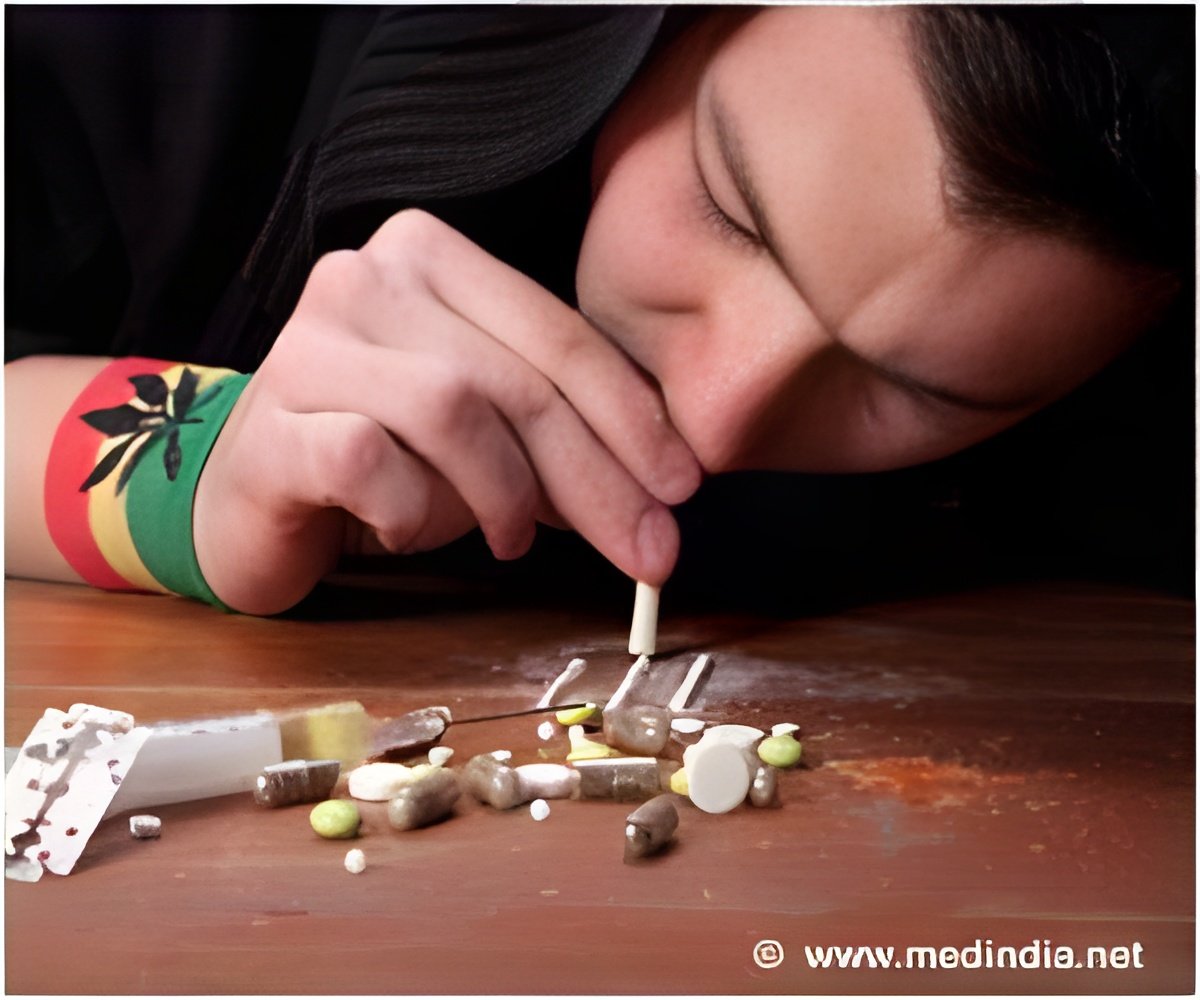
How an adolescent uses marijuana, in particular a pattern of escalating use, may make an adolescent more prone to higher rates of depression and lower educational accomplishments.
Marijuana - Types, Uses & Adverse effects
Marijuana (cannabis) is a drug obtained from the hemp plant and often abused for its psychoactive effects, though it has medicinal uses as well.
Marijuana (cannabis) is a drug obtained from the hemp plant and often abused for its psychoactive effects, though it has medicinal uses as well.
TOP INSIGHT

The researchers analyzed frequency of cannabis use from ages 14 to 19 to determine the relationship between use during adolescence and psychosocial outcomes.
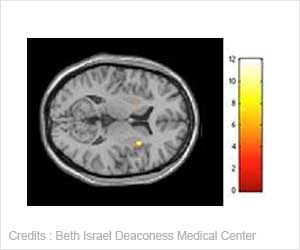
At age 20, the young men self-reported annual cannabis use characteristics for every year since they started use during an interview. Each man's brain was also scanned using fMRI to assess functional connectivity in the brain's reward circuit. The study participants completed questionnaires at ages 20 and 22 that examined psychosocial outcomes measuring depression and educational attainment.
In an unexpected finding, boys who started occasionally using cannabis around 15 or 16 years old and had a dramatic increase in use by the time they were 19 had the greatest dysfunction in brain reward circuitry, the highest rates of depression and the lowest educational achievements.
Cannabis
Cannabis has a long history of medicinal, recreational, and industrial use and comes from a bushy plant with thick sticky flowers called Cannabis Sativa
Cannabis has a long history of medicinal, recreational, and industrial use and comes from a bushy plant with thick sticky flowers called Cannabis Sativa
"Though the results do not show a direct causal link, it's important to note that even though most people think marijuana isn't harmful, it may have severe consequences for some people's functioning, education and mood," Forbes said. "While that may seem unimportant at age 20, the level of education you receive will likely have a huge effect on your quality of life and socioeconomic status later in adulthood."

Colorado Medical Students' Attitudes and Beliefs About Marijuana
Attitudes of medical students in Colorado, a state that has long been at the forefront of marijuana legal reforms, has been investigated by a new study.
Attitudes of medical students in Colorado, a state that has long been at the forefront of marijuana legal reforms, has been investigated by a new study.
Source-Eurekalert

Was Shakespeare High On Marijuana? Some Researchers Seem To Think So!
The writings in Sonnet 76 can be interpreted to mean that Shakespeare was willing to use ‘weed’ (Cannabis as a kind of tobacco) for creative writing (‘invention’).
The writings in Sonnet 76 can be interpreted to mean that Shakespeare was willing to use ‘weed’ (Cannabis as a kind of tobacco) for creative writing (‘invention’).
 Email
Email