MEDINDIA
 English
 हिन्दी
 Español
 français
 中文
中文
Magnetic seizure therapy (MST) may help relieve treatment-resistant depression in bipolar patients.


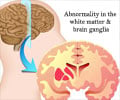
Bipolar Disorder-Causes-Risk Factors-Types-Symptoms-Treatment-Complications-FAQs
Bipolar Disorder is a brain disorder in which people show “mood swings”. Changes in the level of neurotransmitters in brain, and psychosocial factors are thought to be involved.
Bipolar Disorder is a brain disorder in which people show “mood swings”. Changes in the level of neurotransmitters in brain, and psychosocial factors are thought to be involved.
TOP INSIGHT

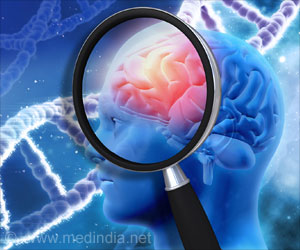
Bipolar disorder is a brain disorder that affects around 2.3 million Americans.
"Electroconvulsive therapy is still considered the gold standard for treatment-resistant depression, but it can have adverse side effects in few patients, including memory problems," stated Salih Selek, MD, a professor of Psychiatry and Behavioral Sciences.
"In this trial, we'll use many machines that use magnetic waves, not electricity, to cause seizures. So instead of giving an electric signal to the brain, it gives magnetic waves to the frontal, parietal lobe of the brain, which aids control emotions."

Antipsychotic Medications - Types, Side Effects and Precautionary Measures
Antipsychotics are the class of drugs which help in treating mental disorders like schizophrenia, bipolar disorders and other stress related psychosis symptoms.
Antipsychotics are the class of drugs which help in treating mental disorders like schizophrenia, bipolar disorders and other stress related psychosis symptoms.
"Depressive episodes are very common during the course of the bipolar disorder, and now the COVID pandemic is causing increased depression and stress for many," Selek stated. "Sometimes, depression in bipolar patients could lead to suicide attempts, so it is critically essential to know the most suitable way to treat bipolar depression in patients who've already tried all other therapies."

Adjustment Disorder - Causes, Symptoms, Diagnosis, Treatment, Prevention
Is lifestyle-related stress worrying you too much? Then it may result in a condition called adjustment disorder that can affect both children and adults.
Is lifestyle-related stress worrying you too much? Then it may result in a condition called adjustment disorder that can affect both children and adults.
Experts are looking for 60 volunteers who will be randomized to ETC or magnetic seizure therapy. Subjects must be over 22 years of age. Both arms of the treatment are done under anesthesia and will be completed in up to 15 sessions over five weeks.

Mood Swings - Causes, Symptoms, Diagnosis, Treatment and Prevention
It is normal to go through mood changes such as joy, sadness or anger every day, but when these mood swings are extreme enough to disrupt daily life, it may indicate an underlying medical condition. Find out why people have mood swings and how to treat them.
It is normal to go through mood changes such as joy, sadness or anger every day, but when these mood swings are extreme enough to disrupt daily life, it may indicate an underlying medical condition. Find out why people have mood swings and how to treat them.
 Email
Email