MEDINDIA
 English
 हिन्दी
 Español
 français
 中文
中文
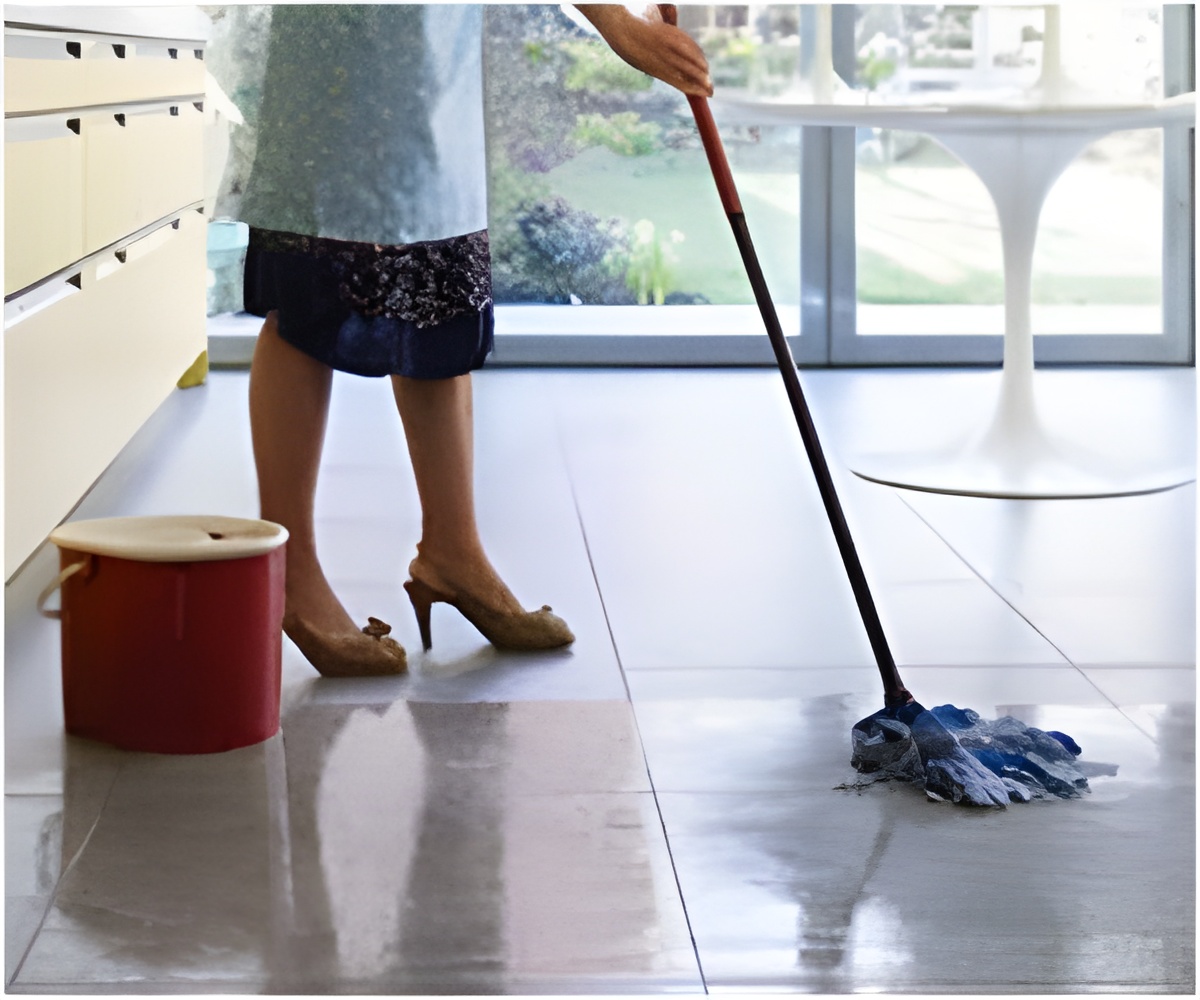
Cleaning may be bad for women’s health. Long-term lung damage was found in women who clean at home or work.

Asthma - Factors, Common Allergens, Diagnosis, Treatment, Support Groups, FAQs
It's a lung condition characterized by inflammation of the bronchi and constriction of the airways that result in coughing, wheezing or breathlessness. Allergy and other airway irritants can trigger it
It's a lung condition characterized by inflammation of the bronchi and constriction of the airways that result in coughing, wheezing or breathlessness. Allergy and other airway irritants can trigger it
TOP INSIGHT

Women who cleaned at home or as professional cleaners have an accelerated decline in lung capacity
The study found that compared to women not engaged in cleaning:
Forced expiratory volume in one second (FEV1), or the amount of air a person can forcibly exhale in one second, declined 3.6 milliliters (ml)/year faster in women who cleaned at home and 3.9 ml/year faster in women who worked as cleaners.

Lung Biopsy - Indications - Procedures - Risks - FAQs - Reference
The procedure by which tissue samples are obtained from the lung is known as lung biopsy. The biopsy tissues obtained from the lungs are examined by a pathologist.
The procedure by which tissue samples are obtained from the lung is known as lung biopsy. The biopsy tissues obtained from the lungs are examined by a pathologist.
The authors found that the accelerated lung function decline in the women working as cleaners was "comparable to smoking somewhat less than 20 pack- years."

The Lungs
The lungs are our organs of respiration. It is within these, that exchange of gases takes place.
The lungs are our organs of respiration. It is within these, that exchange of gases takes place.
The authors speculate that the decline in lung function is attributable to the irritation that most cleaning chemicals cause on the mucous membranes lining the airways, which over time results in persistent changes in the airways and airway remodeling.

Enzymes in Cleaning Products, Flavoring Agents are Potent Allergens
The growth of enzyme technology has been driven by a combination of new developments in industrial processing, consumer demand for low-fat foods.
The growth of enzyme technology has been driven by a combination of new developments in industrial processing, consumer demand for low-fat foods.
The study also did not find that men who cleaned, either at home or at work, experienced greater decline in FEV1 or FVC than men who did not.
The researchers took into account factors that might have biased the results, including smoking history, body mass index and education.
Study limitations include the fact that the study population included very few women who did not clean at home or work. These women, the authors wrote, might "constitute a selected socioeconomic group." The number of men who worked as occupational cleaners was also small, and their exposure to cleaning agents was likely different from that of women working as cleaning professionals.
"The take home message of this study is that in the long run cleaning chemicals very likely cause rather substantial damage to your lungs," Øistein Svanes said. "These chemicals are usually unnecessary; microfiber cloths and water are more than enough for most purposes."
He added that public health officials should strictly regulate cleaning products and encourage producers to develop cleaning agents that cannot be inhaled.
Source-Eurekalert
 Email
Email