MEDINDIA
 English
 हिन्दी
 Español
 français
 中文
中文
Significantly lower rates of cerebral palsy is seen in babies born to mothers who immigrated to Ontario from other countries, than those of Canadian-born mothers, found in a research.

Cerebral Palsy: Causes Symptoms Treatment Types Therapy and Communication Options
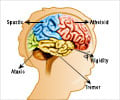
Cerebral palsy is a non-progressive motor neurological disorder that manifests during the early developmental stages of life.
Cerebral palsy is a non-progressive motor neurological disorder that manifests during the early developmental stages of life.
Dr. Ray, also a scientist at ICES, said this may be because wealthier immigrants, who have lived in Canada longer, lose the "healthy immigrant effect," where immigrants are generally healthier than people born in Canada. Dr. Ray noted that we still have a poor understanding of how CP arises, so the more scientists can understand the underlying risk factors that predispose someone to CP the closer they may come to developing interventions to prevent CP. Knowing why immigrants are at lower risk of having a child with CP offers clues to discovering ways to prevent CP among all Canadians. About 80 percent of CP cases are due to prenatal injury of the brain and only 10 percent to adverse events after birth.
The most common risk factors are low and high birth weights as well as premature birth -- although half of all children who develop CP are born at term and most cases occur in children with an apparently uncomplicated pregnancy. Dr. Ray said it's also thought that CP and stillbirths share many common risk factors, including placental vascular disease in the mother—such things as preeclampsia, gestational hypertension, placental abruption and placental infarction. Yet, even upon adjusting for these conditions, the risk of CP was still lower among immigrant mothers.

Enhancing Quality of Life for Victims of Cerebral Palsy
Cerebral Palsy is a medical condition that arises due to a permanent injury to the brain. This injury normally occurs when the woman is expecting, during the course of delivery, or soon after birth.
Cerebral Palsy is a medical condition that arises due to a permanent injury to the brain. This injury normally occurs when the woman is expecting, during the course of delivery, or soon after birth.

Sounds of Healing: Music Therapy
From infants to the infirm, music’s appeal is universal and nonpareil, wafting its way to the heart! Get cured by music therapy and feel overwhelmed
From infants to the infirm, music’s appeal is universal and nonpareil, wafting its way to the heart! Get cured by music therapy and feel overwhelmed

Genes Associated With Cerebral Palsy and Death in Very Preterm Babies
Researchers will report that a variant in SERPINE1, a gene involved in inflammation and blood clotting, is associated with cerebral palsy and death in very preterm babies.
Researchers will report that a variant in SERPINE1, a gene involved in inflammation and blood clotting, is associated with cerebral palsy and death in very preterm babies.
 Email
Email