Low-income adults are significantly less likely to be screened for heart disease, or receive counseling for cardiovascular disease (CVD) risk factors, reports a new study.
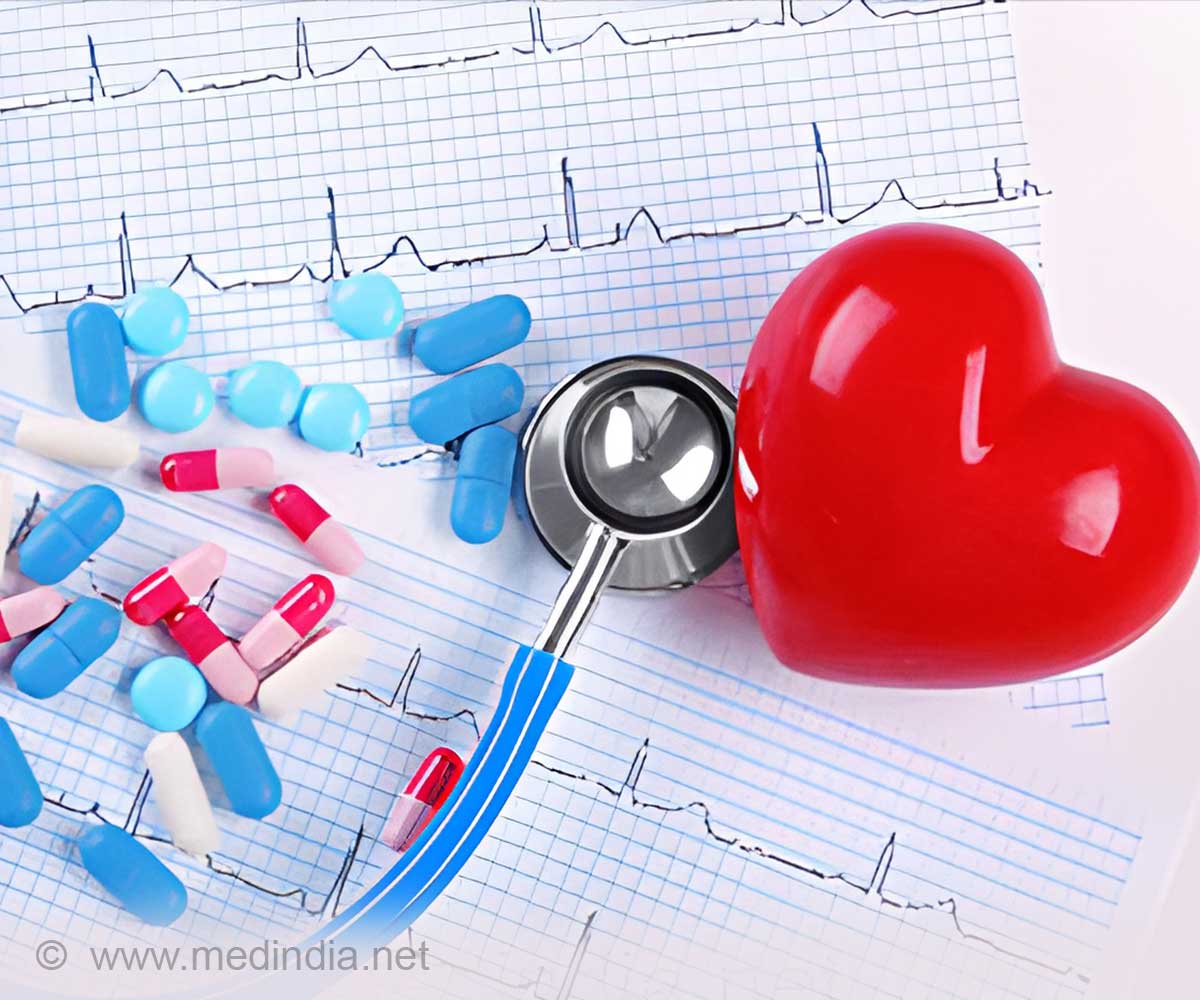

Diet, Lifestyle and Heart Disease
The correlation between diet, lifestyle and heart disease. The importance of balanced diet life style and exercise for controlling heart disease.
The correlation between diet, lifestyle and heart disease. The importance of balanced diet life style and exercise for controlling heart disease.
‘Preventive care, including regular cholesterol screenings and blood pressure monitoring, is essential to decrease heart disease and stroke.’





Heart-health screenings, including routine blood pressure and cholesterol checks and counseling to improve diet, increase exercise, or smoking cessation, are important for lowering the risk for CVD. For decades, studies have confirmed markers of socioeconomic status such as income are associated with cardiovascular disease; however, the association between income level and the utilization of CVD preventive services is not well understood. "With the goal of encouraging clinicians and health care providers to be aware of health disparities, we set out to determine how patients at different income levels utilize services to prevent cardiovascular disease," said lead study author Andi Shahu, M.D., M.H.S., an internal medicine resident physician at The Johns Hopkins Hospital in Baltimore.
Using patient data from the nationally representative Medical Expenditure Panel Survey (2006-2015), researchers included 32,862 adults with diagnosed CVD and 185,081 adults with no CVD diagnosis. Of the total, 36% of individuals were in the "high income" category (400% or more of the federal poverty level [FPL]); 29% were in the "middle income" category (200%-400% of the FPL); 16% were in the "low income" category (125%-200% of FPL), and 19% were in the "poor/very low income" category (<125% of FPL).

Lifestyle Paths to Prevent Heart Disease
Heart disease can be of many types depending upon whether they involve the heart muscles or artery walls or heart beats. Bad lifestyle choices contribute to heart disease.
Heart disease can be of many types depending upon whether they involve the heart muscles or artery walls or heart beats. Bad lifestyle choices contribute to heart disease.
- Participants without CVD who were categorized as "low income" were 58% less likely to get their cholesterol checked within the last five years and 55% less likely to get their blood pressure checked within the past two years;
- Participants without CVD who were categorized as "poor/very low income" were 64% less likely to have had their cholesterol checked within the last five years and 59% less likely to have had their blood pressure checked within the past two years;
- Participants with CVD who were categorized as "low income" were 66% less likely to get their cholesterol checked within the last five years or their blood pressure checked within the past two years; and
- Participants with CVD who were categorized as "poor/very low income" were 67% less likely to have had their cholesterol checked within the last five years and 68% less likely to have had their blood pressure checked within the past two years
"The significant gap in access to preventive care among lower-income populations is incredibly worrisome. Preventive care, including regular cholesterol screenings and blood pressure monitoring, is essential to reducing heart disease and stroke," said Shahu.
Advertisement

Olive Oil Lowers Heart Disease Risk in Americans
Diets rich in plant-based foods, including healthier vegetable oils such as olive, safflower, corn and many others, can benefit heart health.
Diets rich in plant-based foods, including healthier vegetable oils such as olive, safflower, corn and many others, can benefit heart health.
Researchers say the reasons for the disparities are still not completely understood, and further studies are required to develop solutions to reduce and prevent health disparities.
Advertisement
One Egg a Day can Keep Heart Disease at Bay
Eggs: Are they good for your heart? Yes, says a new study. Consuming one egg a day can keep you away from heart attacks and stroke.
Eggs: Are they good for your heart? Yes, says a new study. Consuming one egg a day can keep you away from heart attacks and stroke.