MEDINDIA
 English
 हिन्दी
 Español
 français
 中文
中文
Scientists have generated induced pluripotent stem (iPS) cells lines from non-cryoprotected brain tissue of patients with Alzheimer's disease.
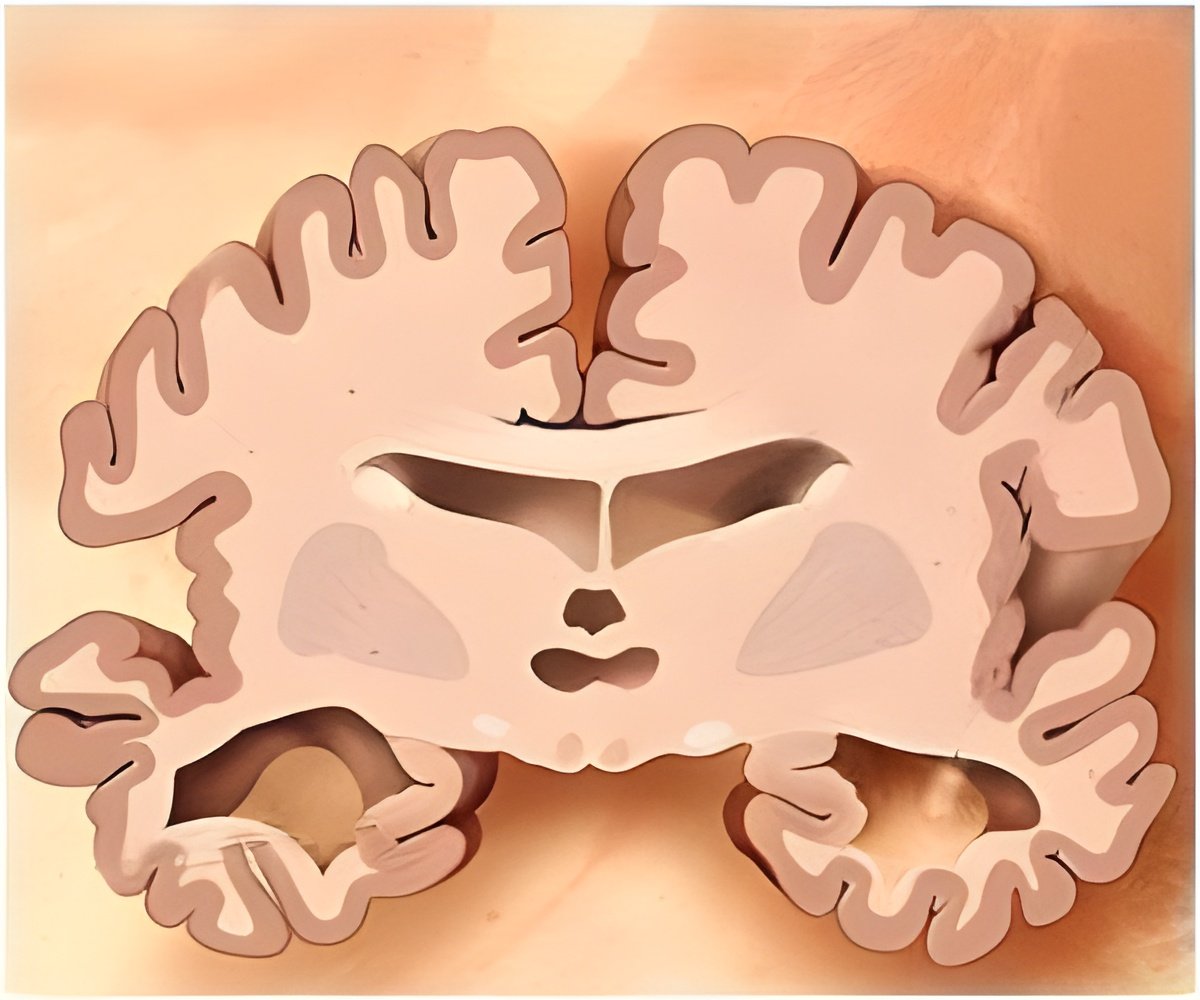

Alzheimer’s disease - Causes, Symptoms, Diagnosis, Stages, Types, Prevention, Prognosis & Treatment
Alzheimer's disease is a progressive neurodegenerative disease affecting memory and thinking and making the person increasingly dependent on others.
Alzheimer's disease is a progressive neurodegenerative disease affecting memory and thinking and making the person increasingly dependent on others.
This advance, published today in Acta Neuropathologica Communications , shows that disease-specific iPS cells can be generated from readily available biobanked tissue that has not been cryoprotected, even after they have been frozen for many years. This allows for the generation of iPS cells from brains with confirmed disease pathology as well as allows access to rare patient variants that have been banked. In addition, findings made using iPS cellular models can be cross-validated in the original brain tissue used to generate the cells. The stem cell lines generated for this study included samples from patients with confirmed Alzheimer's disease and four other neurodegenerative diseases.
This important advance opens up critical new avenues of research to study cells affected by disease from patients with definitive diagnoses. This success will leverage existing biobanks to support research in a powerful new way.

Brain Exercises to Improve Memory
An active brain can certainly help in improving memory by strengthening the connections between neural impulses in brain.
An active brain can certainly help in improving memory by strengthening the connections between neural impulses in brain.
Brain bank networks, which combined contain tens of thousands of samples, provide a large and immediate source of tissue including rare disease samples and a conclusive spectrum of disease severity among samples. The challenge to this approach is that the majority of biobanked brain tissue was not meant for growing live cells, and thus was not frozen in the presence of cryoprotectants normally used to protect cells while frozen. NYSCF scientists in collaboration with CUMC scientists have shown that these thousands of samples can now be used to make living human cells for use in disease studies and to develop new drugs or preventative treatments for future patients.

Source-Eurekalert
 Email
Email