MEDINDIA
 English
 हिन्दी
 Español
 français
 中文
中文
A mother's exposure to particulate air pollution during pregnancy was linked to infants' decreased heart rate response to stress, said study.


Air Pollution - Pollutants - Health Effect - Efforts to Reduce
Nearly 2.4 million deaths every year are attributable to air pollution. Air pollutants may be solid particles, liquid droplets or gases. Proper planning methods should be adopted to reduce air pollution.
Nearly 2.4 million deaths every year are attributable to air pollution. Air pollutants may be solid particles, liquid droplets or gases. Proper planning methods should be adopted to reduce air pollution.
TOP INSIGHT

Higher the level of the mother's exposure to air pollution in pregnancy, the less variability in the infant's heart rate in response to a stress challenge.
Mount Sinai researchers studied 237 Boston-based mothers and their infants and used satellite data and air pollution monitors to determine the level of particulate air pollution the mothers were exposed to during pregnancy. The air pollution levels in this study were similar to levels experienced by the general U.S. population.
"These ?ndings, in combination with increasing worldwide exposure to particulate air pollution, highlight the importance of examining early-life exposure to air pollution in relation to negative medical, developmental, and psychological outcomes," said senior author Rosalind Wright, MD, MPH, Dean for Translational Biomedical Research, and Professor of Pediatrics, Environmental Medicine and Public Health, and Medicine (Pulmonary, Critical Care and Sleep Medicine), at the Icahn School of Medicine at Mount Sinai. "A critical step in identifying children at risk for costly chronic disorders is identifying exposures that lead to early vulnerability."

Quiz on Healthy Heart
Heart disease is a major killer worldwide in spite of major strides in the medical field in terms of research, diagnosis, treatment and pharmacology. HIV/AIDS and Alzheimer’s disease are vying for popular attention these days and people tend to sideline or neglect healthy heart awareness. Take our quiz and refresh your awareness on heart disease.
Heart disease is a major killer worldwide in spite of major strides in the medical field in terms of research, diagnosis, treatment and pharmacology. HIV/AIDS and Alzheimer’s disease are vying for popular attention these days and people tend to sideline or neglect healthy heart awareness. Take our quiz and refresh your awareness on heart disease.
Source-Eurekalert

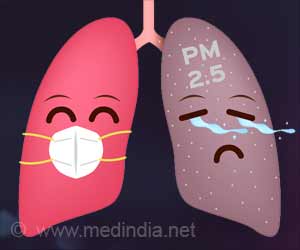
Exposure to Air Pollution Causes Your Lungs to Age Faster and Increases Lung Disease Risk
Exposure to outdoor air pollution causes faster aging of lung tissue, reduce lung function and increase the risk of developing the chronic obstructive pulmonary disease (COPD).
Exposure to outdoor air pollution causes faster aging of lung tissue, reduce lung function and increase the risk of developing the chronic obstructive pulmonary disease (COPD).
 Email
Email