
Diet, Lifestyle and Heart Disease
The correlation between diet, lifestyle and heart disease. The importance of balanced diet life style and exercise for controlling heart disease.
The correlation between diet, lifestyle and heart disease. The importance of balanced diet life style and exercise for controlling heart disease.
‘Women who had completed compulsory schooling with no qualifications had almost twice the risk of developing heart disease or dying from it than women who had a degree.’
Tweet it Now
We found that these factors accounted for most of the social inequalities in heart disease risk. The most important factor, however, was smoking: it alone accounted for about half of the associations of heart disease with education and deprivation." This study included 1.2 million participants in the Million Women Study, about 1 in 4 of all UK women born in the 1930s and 1940s. During 12 years of follow-up 72,000 women developed heart disease. The large numbers made it possible to look carefully at the extent to which four lifestyle factors - smoking, alcohol consumption, physical activity and body mass index - accounted for the known social inequalities in heart disease.
The researchers found that, without taking into account the four lifestyle factors, women who had completed compulsory schooling with no qualifications had almost twice the risk of developing heart disease or dying from it than women who had a degree.

Congenital Heart Disease – Septal Defects
Heart diseases that are present at birth are called “ Congenital heart diseases”.
Heart diseases that are present at birth are called “ Congenital heart diseases”.
Dr Floud adds: "It is important to recognize that these health-related behaviours are themselves influenced by education and deprivation, and that it is harder to change them if you don't have the resources to do so."
Advertisement

Lifestyle Paths to Prevent Heart Disease
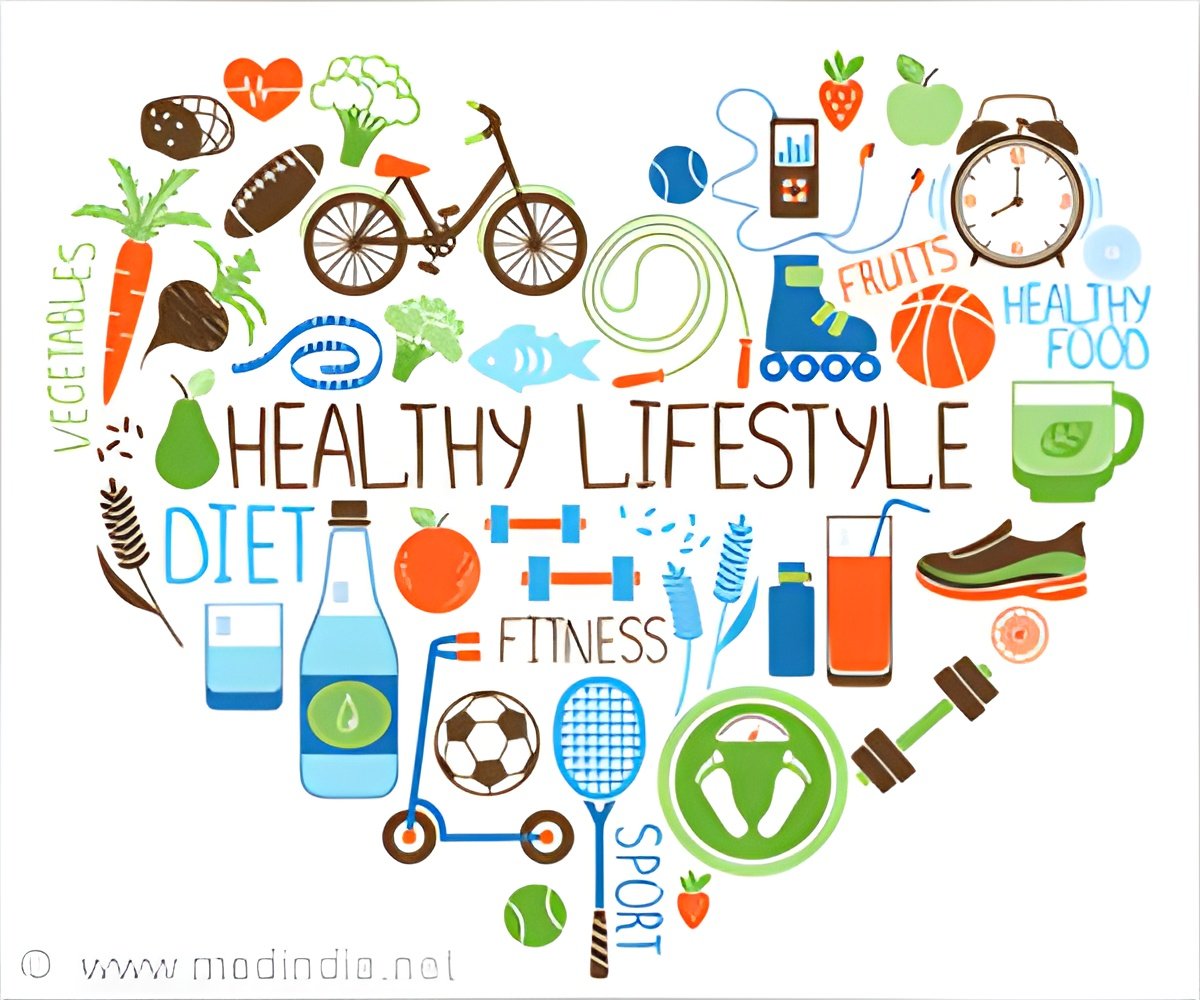
Heart disease can be of many types depending upon whether they involve the heart muscles or artery walls or heart beats. Bad lifestyle choices contribute to heart disease.
Heart disease can be of many types depending upon whether they involve the heart muscles or artery walls or heart beats. Bad lifestyle choices contribute to heart disease.
Source-Eurekalert

Cardiac Rehabilitation
Do you know how cardiac rehabilitation could help cardiac patients and why it is so effective? Read on to understand about cardiac rehabilitation and to sign up for it?
Do you know how cardiac rehabilitation could help cardiac patients and why it is so effective? Read on to understand about cardiac rehabilitation and to sign up for it?