MEDINDIA
 English
 हिन्दी
 Español
 français
 中文
中文
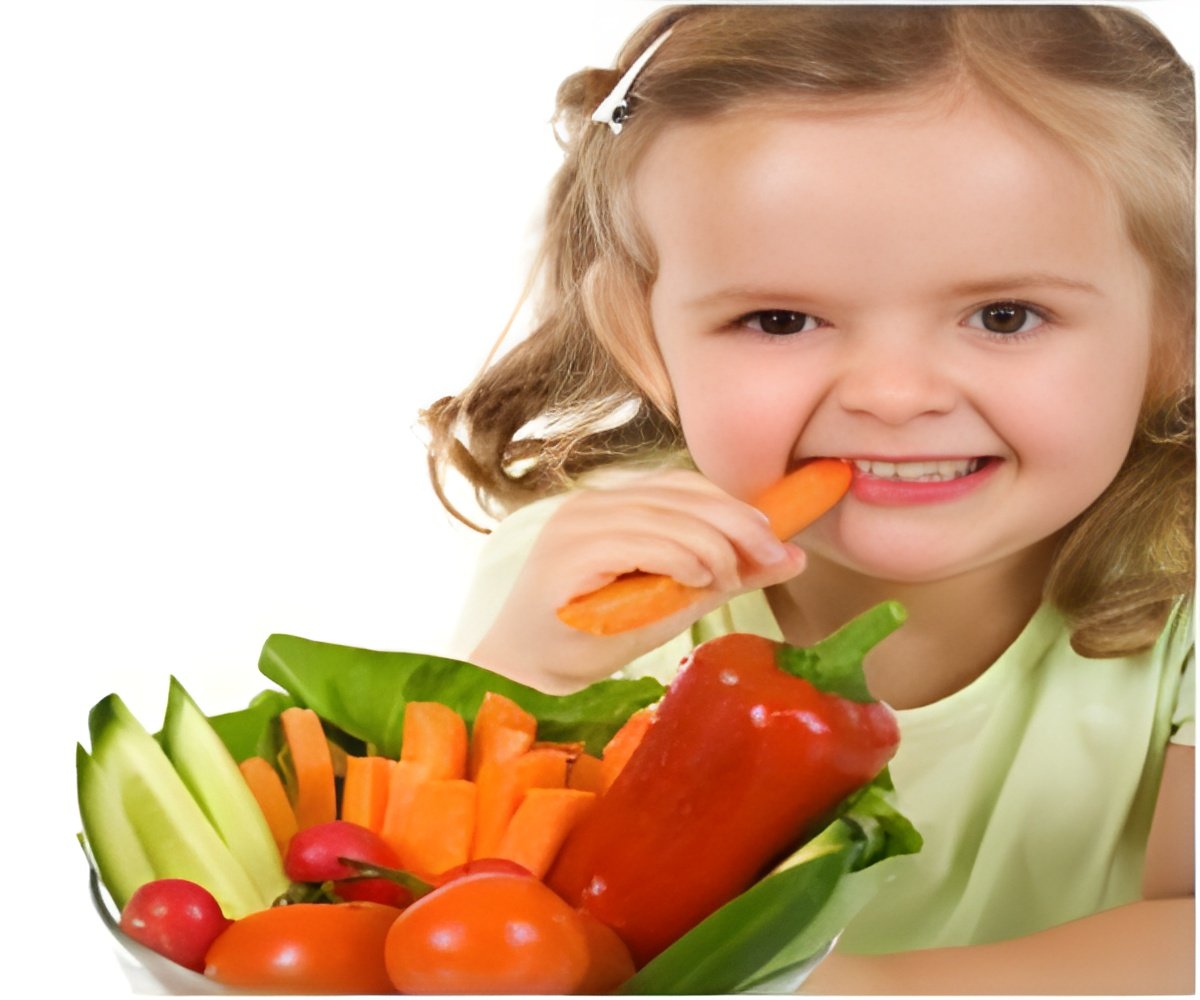
Food and nutrition researchers have found that by offering a dip flavored with spices, children were more likely to eat vegetables, even vegetables they previously rejected.
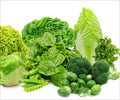
Dark Green Leafy Veggies - A Dietary Must
All green foods contain an abundance of chlorophyll. Chlorophyll can actually help restore health and vitality.
All green foods contain an abundance of chlorophyll. Chlorophyll can actually help restore health and vitality.
Savage and colleagues found that children were three times more likely to refuse eating a vegetable alone than they were to eat the same vegetable when paired with a reduced-fat flavored dip. And the children were twice as likely to reject a vegetable with no dip than they were if given the same vegetable with plain dip.
The researchers report in a recent issue of the Journal of the Academy of Nutrition and Dietetics that they worked with 34 children between the ages of 3 and 5 to determine each child's familiarity with vegetables and which were liked or disliked. The children were then reintroduced to the same vegetables, this time with a dip, and each child's likes and dislikes were reevaluated.

Eat Your Way to Good Health
A balanced diet is the cornerstone of good health. With diabetes, obesity, heart ailments rapidly emerging as a major health challenge we really need to look into our lifestyles.
A balanced diet is the cornerstone of good health. With diabetes, obesity, heart ailments rapidly emerging as a major health challenge we really need to look into our lifestyles.
In as few as four tasting sessions, Savage and colleagues found that preschoolers consumed more of a disliked vegetable when it was paired with a dip flavored with spices than when it was eaten alone.The children tasted and rated six different vegetables: carrots, cucumbers, celery, green beans, red peppers and yellow squash. After tasting each vegetable, the children were shown three cartoon faces and asked to pick which one best showed how they felt. Their choices were "yummy," "just okay" and "yucky." The researcher also noted if the child refused to try the sample.
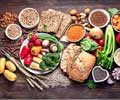
Benefits of Dietary Fibre
Eating 5 servings of fruits and vegetables a day takes care of the fiber your system needs to a large extent.
Eating 5 servings of fruits and vegetables a day takes care of the fiber your system needs to a large extent.
Thirty-one percent of them deemed a vegetable alone to be "yummy," but when paired with a flavored dip 64 percent of the children found the vegetable "yummy." On the other end of the spectrum, 18 percent of children refused to eat a vegetable by itself, while only six percent would refuse to eat a vegetable when paired with a flavored dip.
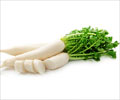
Radish - A Source of Bountiful Nutrition
Radish is a winner all the way. It is one of the cheapest and the healthiest foods nature offers us since it contains large amount of vitamin C, calcium and carotenoids.
Radish is a winner all the way. It is one of the cheapest and the healthiest foods nature offers us since it contains large amount of vitamin C, calcium and carotenoids.
"Just because a child refuses to taste a vegetable doesn't mean they don't like it," Savage said. "It's foreign -- the key is to try to get them to taste it in a positive light."
Source-Eurekalert
 Email
Email