MEDINDIA
 English
 हिन्दी
 Español
 français
 中文
中文
The act of rejection is complex as the behaviour of the rejected child is only partly, or not at all, to blame.

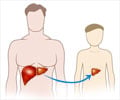
Adult to Child Living Donor Liver Transplantation
Adult to child liver transplantation refers to removing a small segment of liver from an adult and transplanting this segment into a child.
Adult to child liver transplantation refers to removing a small segment of liver from an adult and transplanting this segment into a child.
TOP INSIGHT

The act of rejection is complex as the behaviour of the rejected child is only partly, or not at all, to blame.
The researchers were left with a long list of reasons, such as "I don't like playing football", "He's boring", "He's new", and "She cheats", to sort through to find common themes. To do this, they used a method called 'Grounded Theory.' "Grounded Theory starts from the reasons provided by the children and, by constantly comparing them, categories emerge that explain differences between the motives for rejection", described Garcia Bacete. "So rather than forcing the data to be grouped under preconceived headings, we let the data speak for itself." He continued, "Most of the reasons could be grouped under what the rejected child does, says or tries, such as aggression, dominance, problematic social and school behaviours, and disturbance of wellbeing.
However, we also noticed that these reasons came with context - specifically, which classmates or groups were involved in the rejection and the frequency it happened." It became clear they had discovered that rejection does not appear to be the direct result of the behaviour of the disliked child, but whether the rejecters saw this behaviour as harmful to the needs of themselves or their friends. The Grounded Theory method also revealed two new categories of reasons that do not usually appear in traditional rejection studies - preference and unfamiliarity.

Anemia in Children with Chronic Kidney Disease
A recent review listed out the causes, risk factors, complications and treatment of anemia in children with chronic kidney disease.
A recent review listed out the causes, risk factors, complications and treatment of anemia in children with chronic kidney disease.
Source-ANI
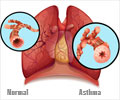
Asthma in Children and Adults - Facts, Treatment and Symptoms
Adult and childhood asthma are caused due to inflammation of the airways, but differences exist in their intensity and triggers.
Adult and childhood asthma are caused due to inflammation of the airways, but differences exist in their intensity and triggers.
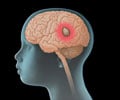
Brain Tumor in Children - Types, Causes, Symptoms, Diagnosis & Treatment
An abnormal growth of cells in the brain is called brain tumor. Most tumors arise within the brain (primary). They can be benign or cancerous.
An abnormal growth of cells in the brain is called brain tumor. Most tumors arise within the brain (primary). They can be benign or cancerous.
 Email
Email