MEDINDIA
 English
 हिन्दी
 Español
 français
 中文
中文
Excessive sodium was associated with an increase in cell death and a decrease in cell proliferation, which can contribute to the development of fibrosis.
Reduce Sugar, Salt - New Dietary Guidelines by US Department of Agriculture
Less sugar and salt, more fruits, vegetables, nuts, and whole grains; those are the recommendations in the new dietary guidelines by US Department of Agriculture.
Less sugar and salt, more fruits, vegetables, nuts, and whole grains; those are the recommendations in the new dietary guidelines by US Department of Agriculture.
TOP INSIGHT

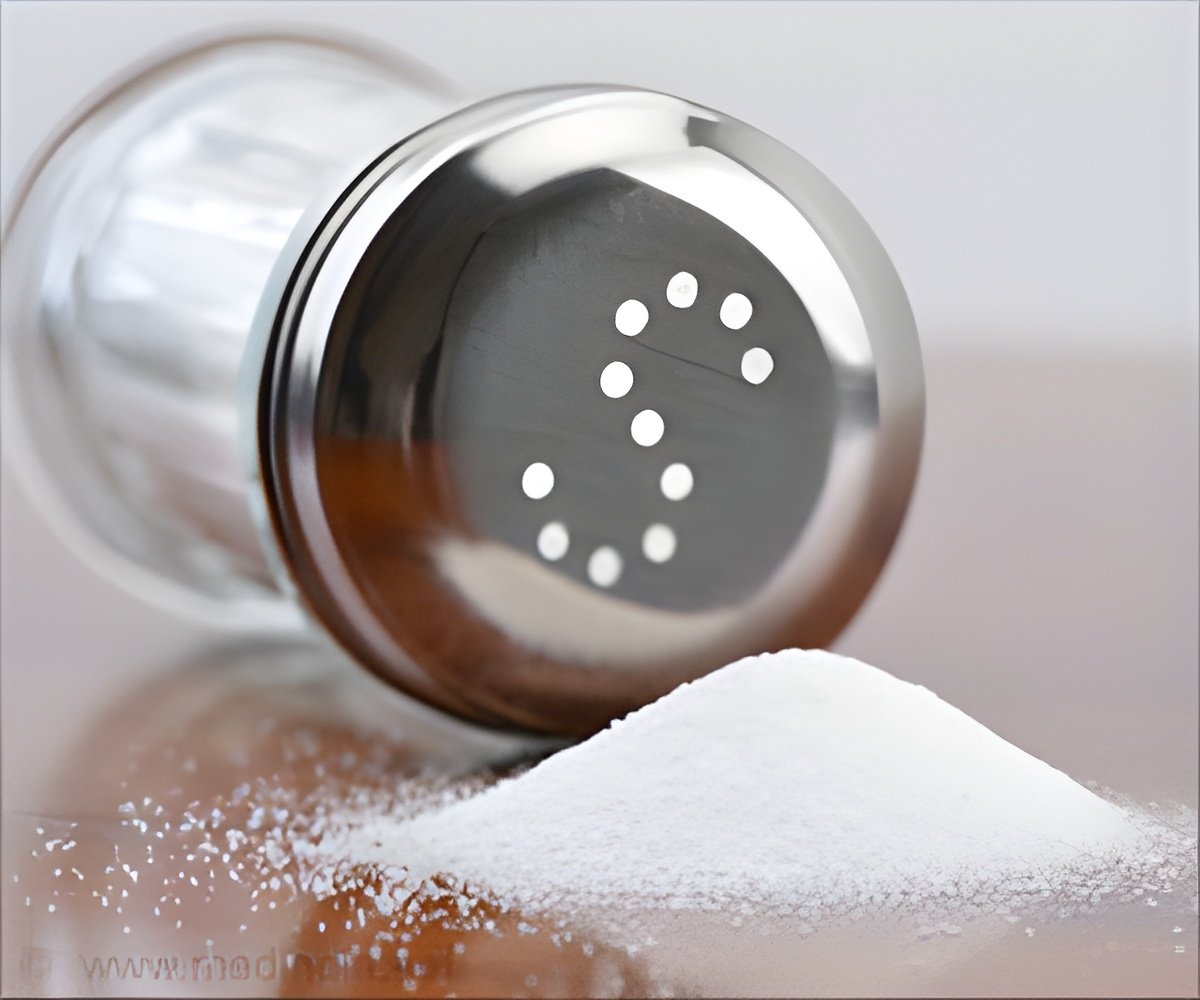
Excess salt in diet triggers fibrosis, resulting in liver damage.
Among other functions, the sodium ions from the savory mineral help regulate water movement within the body and conduct nerve impulses. But too much of salt can be dangerous and in this study the researchers wanted to explore its potential effect at a cellular level.
The researchers gave adult mice a high-salt diet and exposed chick embryos to a briny environment. Excessive sodium was associated with a number of changes in the animals' livers, including oddly shaped cells, an increase in cell death and a decrease in cell proliferation, which can contribute to the development of fibrosis.
Americans Consume Too Much Salt and Processed Food: CDC
Americans' love of salt has continued unabated in the 21st century, reveals the U.S. Centers for Disease Control and Prevention.
Americans' love of salt has continued unabated in the 21st century, reveals the U.S. Centers for Disease Control and Prevention.
Source-IANS

Even a Low-Salt Diet can Raise Resting Blood Pressure
Mice with mutated or missing clock genes are prone to vascular disease similar to smokers and people with high blood pressure and cholesterol.
Mice with mutated or missing clock genes are prone to vascular disease similar to smokers and people with high blood pressure and cholesterol.

Salt, Sodium Intake Remains High in China: Food Safety
High sodium intake persists in China due to addition of salt and other seasonings during food preparation, and increasing consumption of processed food.
High sodium intake persists in China due to addition of salt and other seasonings during food preparation, and increasing consumption of processed food.
 Email
Email