MEDINDIA
 English
 हिन्दी
 Español
 français
 中文
中文
Ultrasound elasticity imaging, or UEI can help doctors determine more appropriate and timely treatment for the Chron's disease patients.
Crohn’s Disease
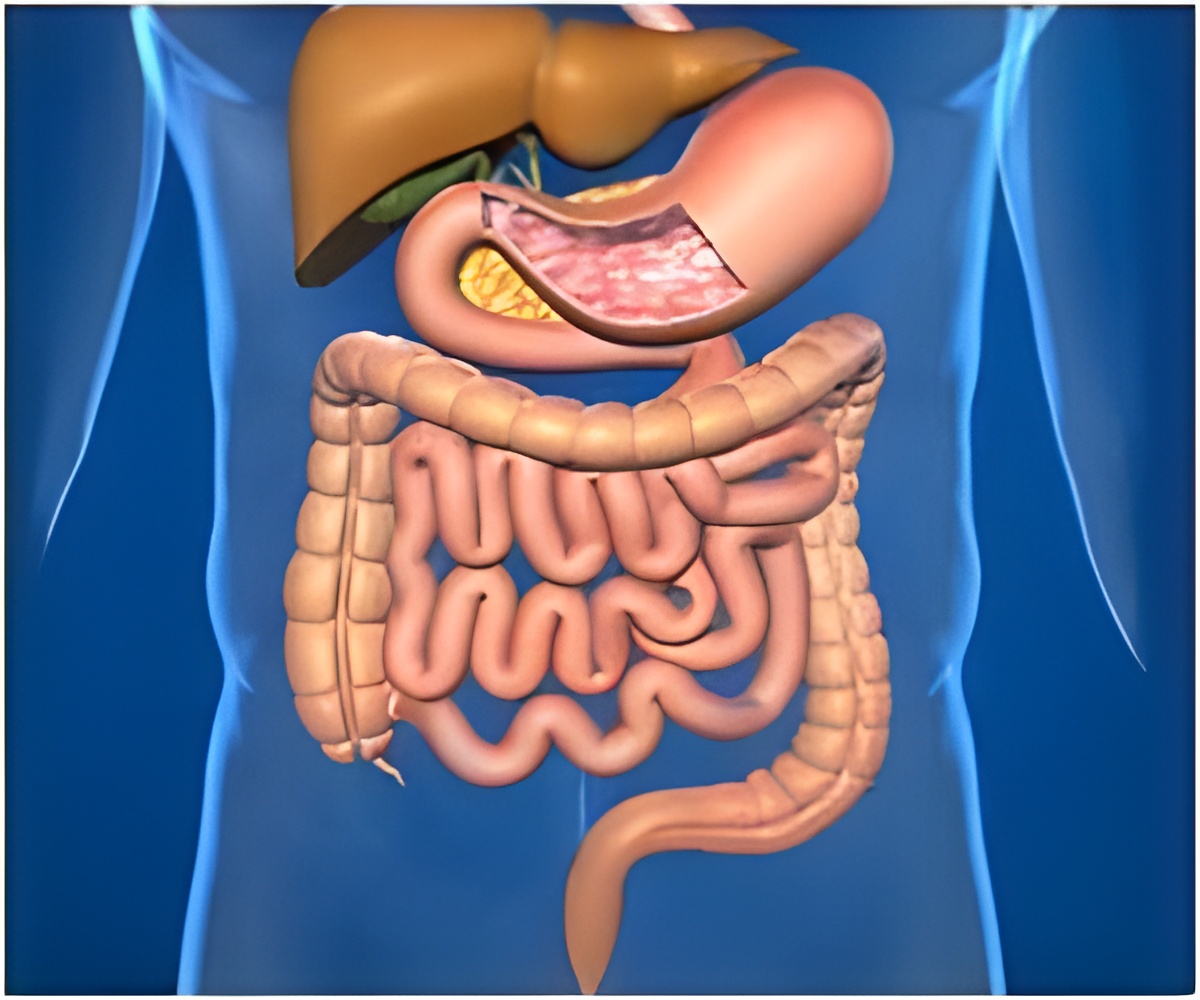
Crohn’s disease or regional enteritis is an inflammatory bowel disease that involves the small intestine and causes abdominal pain, diarrhea and bleeding.
Crohn’s disease or regional enteritis is an inflammatory bowel disease that involves the small intestine and causes abdominal pain, diarrhea and bleeding.
Inflamed intestinal tissue is softer than fibrotic tissue, which is hard and thick. The new method uses ultrasound to measure the relative hardness and thickness of tissue inside the body, potentially allowing doctors to differentiate between the two conditions without performing surgery. In animal models, UEI was able to accurately tell the difference between inflamed tissue and scar tissue.
"The goal of this study is to have technology that can make the distinction between fibrosis and inflammation," says Stidham, the lead author of the study. "We want to know if it's worth it to push medical therapy, or if a person is destined for surgery."
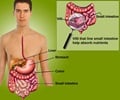
Celiac Disease
Celiac disease is labeled as a digestive disorder associated with malabsorption as well as an abnormal immune reaction to gluten.
Celiac disease is labeled as a digestive disorder associated with malabsorption as well as an abnormal immune reaction to gluten.
Stidham says the next step in the group's research is a long-term human clinical trial, beginning this winter. If UEI is able to accurately assess a patient's condition, doctors will be able to more efficiently treat Crohn's disease patients suffering from inflammation or fibrosis.
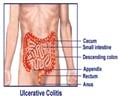
Ulcerative Colitis - Causes
Ulcerative Colitis has an immune basis, which results in widespread inflammation and ulceration of the large intestine.
Ulcerative Colitis has an immune basis, which results in widespread inflammation and ulceration of the large intestine.
Source-Eurekalert
 Email
Email