MEDINDIA
 English
 हिन्दी
 Español
 français
 中文
中文
The genetic machinery of humans, fruit flies and roundworms is similar in many surprising ways, biologists have said.
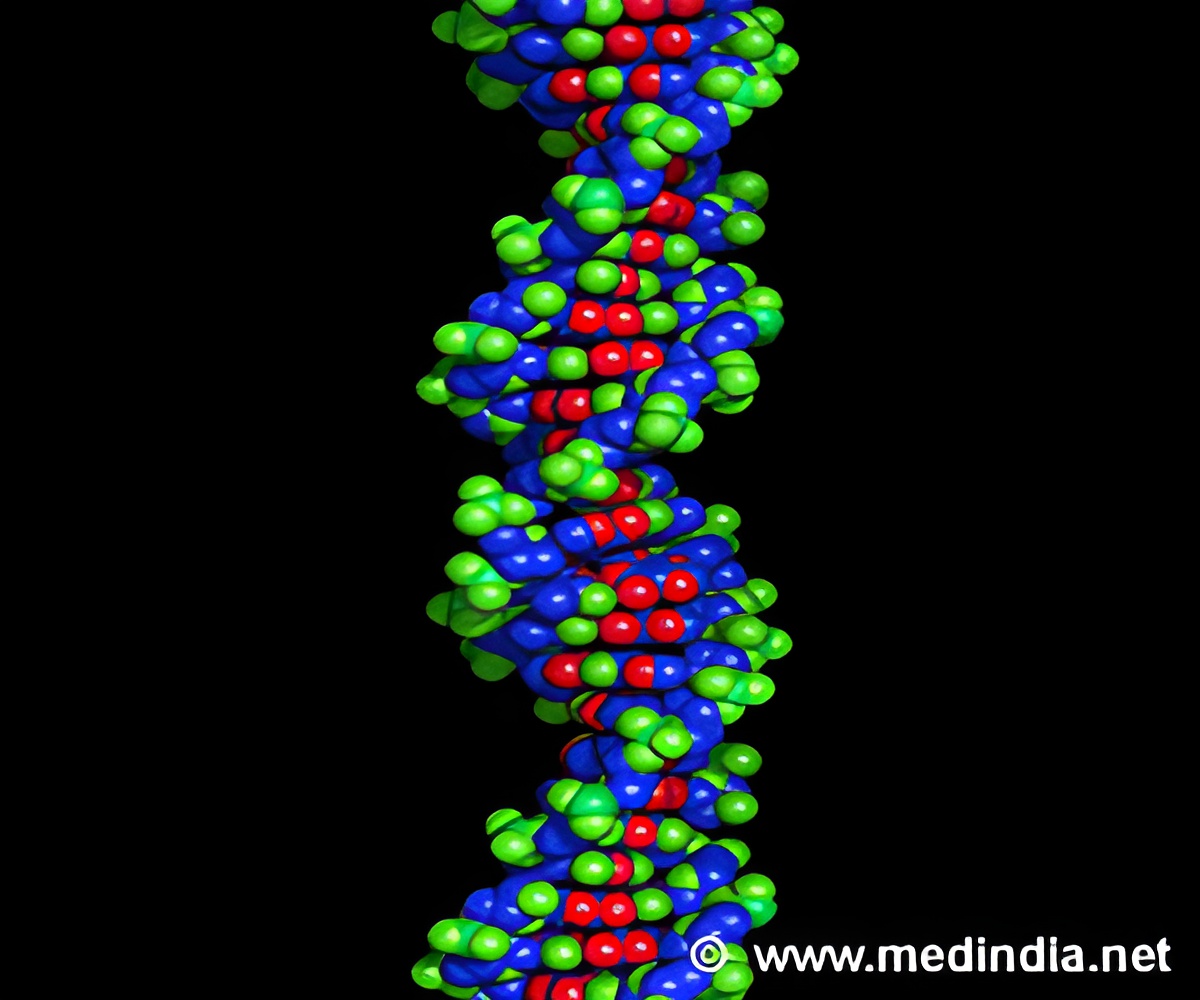
About Genetic Testing
Genetic testing helps to confirm a genetic condition in an individual and involves q complex laboratory techniques
Genetic testing helps to confirm a genetic condition in an individual and involves q complex laboratory techniques
The three share many genes that code for proteins and much of the switchgear for turning these genes on and off, according to their papers published in the journal Nature.
"When we look at flies or worms, it is difficult to believe that humans have anything in common with them," said Mark Gerstein, a professor of biomedical informatics at Yale University.
Epigenetics
In the recent years ‘epigenetics’ represents inheritable changes in gene expression that do not include DNA alterations.
In the recent years ‘epigenetics’ represents inheritable changes in gene expression that do not include DNA alterations.
Over half of the genes associated with cancers and other inherited diseases in humans also exist in the genome of the fruitfly, said Sarah Elgin, a professor of biology at Washington University in St. Louis, Missouri.
Birth Defects - Genetic - Achondroplasia
Achondroplasia is a genetic disorder which is one of the leading causes of dwarfism
Achondroplasia is a genetic disorder which is one of the leading causes of dwarfism
Epigenes are switches which determine whether a gene is silent or functions. They are influenced by old age and environmental stress, such as exposure to tobacco smoke or alcohol.
Elgin said drug designers had to take care these novel therapies did not perturb epigenetic machinery across the human genetic code, inflicting a knock-on effect in a way similar to chemotherapy.
Testing theories on model organisms like the humble fruitfly first could be a big help, she said.
Source-AFP
 Email
Email