MEDINDIA
 English
 हिन्दी
 Español
 français
 中文
中文
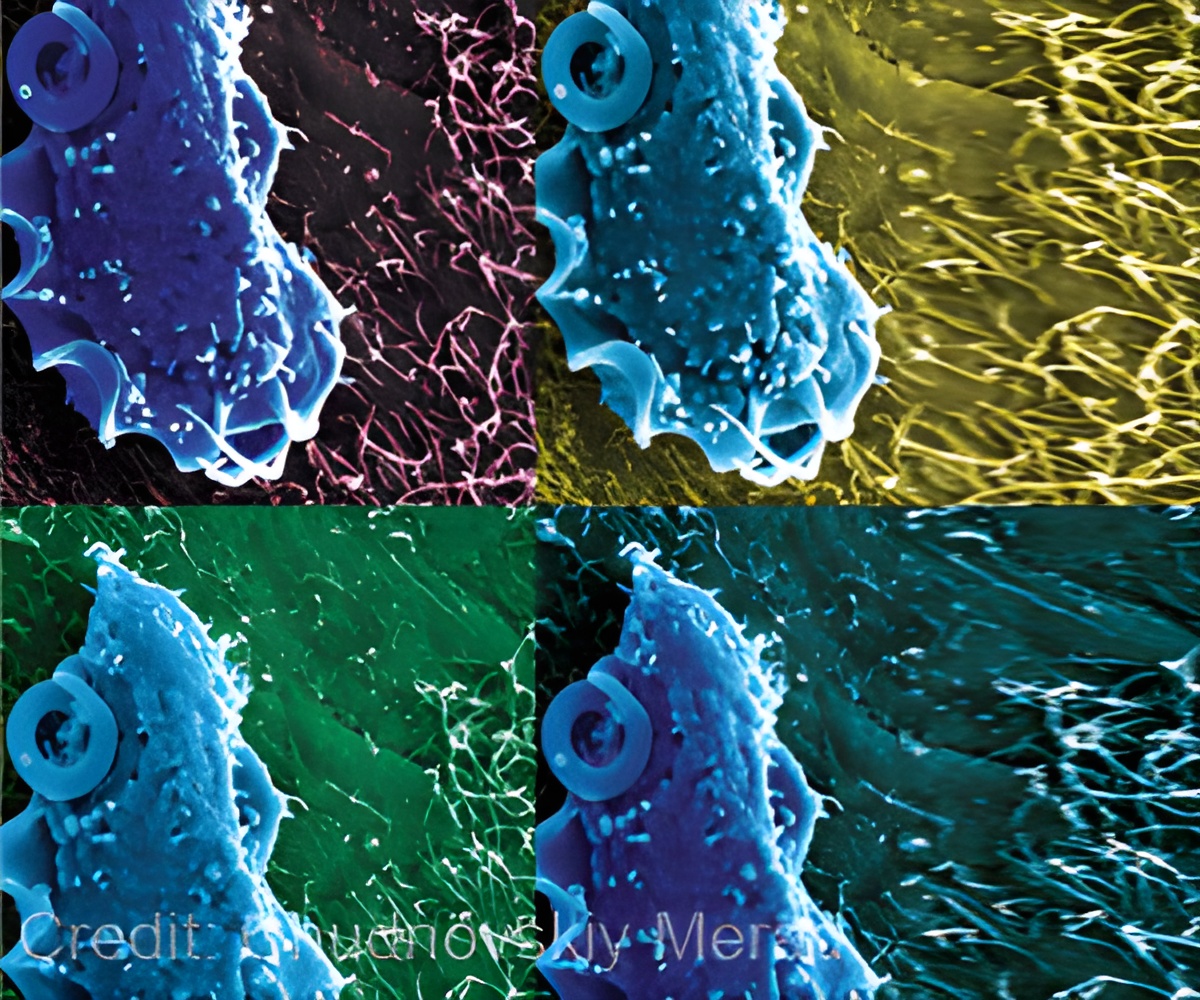
Mice that had been bred at their facility had a greater number of immune cells in the gut than mice purchased from an outside vendor.

Antibiotics Change the Gut Microbiome That Impacts Progression of Alzheimer's Disease
Antibiotic treatment changes the gut microbiome that plays an important role in regulating immune system activity that impacts the progression of Alzheimer's disease.
Antibiotic treatment changes the gut microbiome that plays an important role in regulating immune system activity that impacts the progression of Alzheimer's disease.
TOP INSIGHT

Host-protozoan interactions protect from mucosal infections through activation of the inflammasome in the gut epithelial cells.
Further investigations showed that when this protist was given to the mice that didn't have it, they, too, had an increase in the number of immune cells in their guts and also increased inflammatory cytokines. The researchers set out to discover the underlying mechanism. They found that T. mu activates the inflammasome in the gut epithelial cells of the mice, which in turn led to the activation of cytokines. They also found that dendritic cells were required to induce inflammation.
To determine whether colonization of T. mu in the gut affected the mice's ability to fight off infection, they infected mice with Salmonella and found that the animals that had T. mu as part of their microbiome were very resistant to Salmonella infection. "The protective effect of this species is very striking," Chudnovskiy says.

Gut Microbiome Could Offer New Therapeutic Options for Brain Health
The effects that bacteria living in the gut have on overall human health, inflammation, and specifically brain health are published in a journal.
The effects that bacteria living in the gut have on overall human health, inflammation, and specifically brain health are published in a journal.
She adds: "The fight against pathogens determined the survival of the human species, and those with stronger immune systems are the ones who survived. It is likely that the microbiome is a big part of the evolutionary process. Thus, identifying those commensals that confer immune strength in exposed communities should help identify novel therapeutics."
Gut Microbiome Diversity Decreased by Proton Pump Inhibitors
Gut bacteria diversity was found to decrease with regular intake of proton pump inhibitors, increasing the risk of infections like clostridium difficile and pneumonia.
Gut bacteria diversity was found to decrease with regular intake of proton pump inhibitors, increasing the risk of infections like clostridium difficile and pneumonia.
Source-Eurekalert

Is Gut Microbiome a Potential Cause and Therapeutic Target for Multiple Sclerosis?
Various risk factors are believed to contribute to the development of autoimmune disorders such as multiple sclerosis.
Various risk factors are believed to contribute to the development of autoimmune disorders such as multiple sclerosis.
 Email
Email