MEDINDIA
 English
 हिन्दी
 Español
 français
 中文
中文
Research has revealed that patients who received daily humidification of the mouth and throat region spent nearly 50 percent fewer days in the hospital.


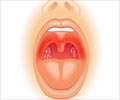
Radiotherapy - Background
A detailed account of radiation, its mode of action, side effects and dosage in the treatment of cancer.
A detailed account of radiation, its mode of action, side effects and dosage in the treatment of cancer.
Only 43 patients (42 percent of the patients in the HUM arm) met the defined benchmark of HUM compliance and were able to contribute to the per protocol (PP) analysis; the mean average use of humidification for these patients was 3.6 hours per day (range of 0-14 hours/day). In patients who met the HUM compliance benchmark, the area under the curve for CTCAE version 3.0 functional mucositis score (a clinician assessment of mucositis symptom burden for patients) was reduced (control = 8.63 vs. HUM PP = 6.74). The proportion of compliant HUM patients who never required a feeding tube was also increased (control = 0.73 vs. HUM PP = 0.85). There was also a trend for patients to report a reduction in symptom burden when using humidification but only in those patients compliant in using the humidifier.
"Mucositis (inflammation and ulceration of the mouth and throat) is a painful side effect of radiation therapy that can negatively affect patients' quality of life. This study has provided efficacy signals consistent with a role for humidification in reducing symptom burden for patients during radiotherapy for head and neck cancer. Preventing or reducing hospitalizations may also mean it is cost effective. The rationale for using humidification is based on the fact that moisturizing wounds generally helps them heal faster," said Andrew Macann, FRANZCR, lead author of the study and a radiation oncologist at Auckland City Hospital in Auckland, New Zealand. "These results are encouraging, particularly given the signals favouring humidification were seen across clinician-reported outcomes, patient-reported outcomes and independent data such as hospitalizations. Although patients in the study did not use the humidifiers as much as was hoped, we obtained feedback about why some patients did not like using the humidifier. Our next step is to work at increasing the proportion of patients who use the humidifier effectively."
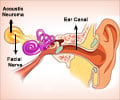
Auditory Tumor - Causes Symptoms Diagnosis Treatment Prognosis Complications
Auditory Tumor or Acoustic neuroma is a benign growth that arises on the vestibular cochlear nerve. It is not a cancer. Read more on the causes, symptoms, diagnosis and treatment.
Auditory Tumor or Acoustic neuroma is a benign growth that arises on the vestibular cochlear nerve. It is not a cancer. Read more on the causes, symptoms, diagnosis and treatment.
Source-Eurekalert
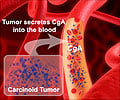
Carcinoid Tumors - Carcinoid Syndrome - Symptoms, Signs, Diagnosis & Treatment
Carcinoid tumors is a benign tumor that results in carcinoid syndrome. Only 8 to 10% of all carcinoid tumors are associated with the carcinoid syndrome.
Carcinoid tumors is a benign tumor that results in carcinoid syndrome. Only 8 to 10% of all carcinoid tumors are associated with the carcinoid syndrome.
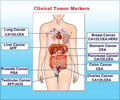
Tumor Markers - For Cancer Diagnosis and Prognosis
An ideal tumor marker for a cancer should be specific to that cancer and not generate false positive results.
An ideal tumor marker for a cancer should be specific to that cancer and not generate false positive results.
 Email
Email