MEDINDIA
 English
 हिन्दी
 Español
 français
 中文
中文
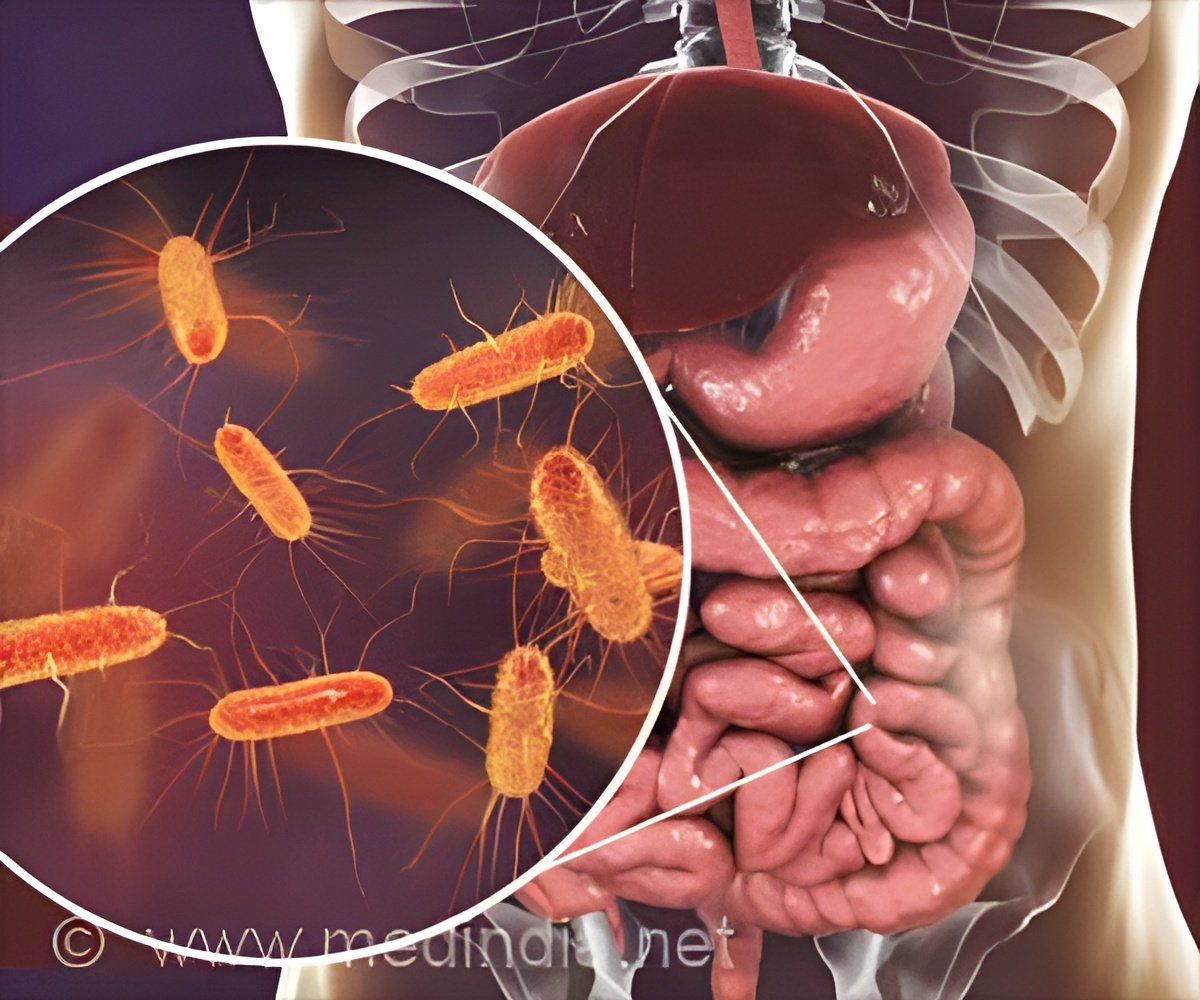
A high-quality diet is linked to more potentially beneficial bacteria; while a low-quality diet is associated with an increase in potentially harmful bacteria, revealed new research.
Colorectal Cancer - Types, Causes, Risk Factors, Symptoms, Diagnosis, Treatment, Prognosis & Prevention
Colorectal cancer is a cancer that starts in the colon or the rectum. Colorectal cancer is the third most common cancer in men.
Colorectal cancer is a cancer that starts in the colon or the rectum. Colorectal cancer is the third most common cancer in men.
TOP INSIGHT

Modifying the microbiome through diet may be a part of a strategy to reduce the risk of chronic diseases.
"One new contribution to this work is that we looked at the microbiome associated with colonic mucosa," Jiao said. "Most other studies of the human gut microbiome have used fecal samples. We looked at colon mucosal-associated microbiome because we know that this microbiome is different from that in the fecal samples, and it is said to be more related to human immunity and the host-microbiome interaction than the microbiome in fecal samples."
The researchers used next-generation sequencing techniques to analyze the type and abundance of bacteria present in colonic mucosal biopsies. The samples were obtained endoscopically from enrolled consenting 50- to 75-year-old participants who had a colonoscopy at the Michael E. DeBakey Veterans Affairs Medical Center in Houston between 2013 and 2017. The participants were polyp-free and seemingly healthy. They reported their dietary consumption using a food frequency questionnaire before the colonoscopy.
Pancreatic Cancer - All About the Disease, its Diagnosis and Management
Pancreatic cancer often involves its exocrine part. It grows aggressively, and often detected late. Treatment options include surgery, radiation and chemotherapy.
Pancreatic cancer often involves its exocrine part. It grows aggressively, and often detected late. Treatment options include surgery, radiation and chemotherapy.
Jiao and her colleagues found that a good-quality diet as the one recommended by the Dietary Guidelines for Americans to be high in fruits, vegetables and whole grains, and low in added sugar, alcoholic beverages and solid fats is associated with higher abundance of beneficial bacteria such as those with anti-inflammatory properties. A poor-quality diet, on the other hand, is associated with more potentially pathogenic bacteria, such as Fusobacteria, which has been linked to colorectal cancer.
Computational Tool Predicts How Gut Microbiome Changes Over Time
New computational modeling method can identify the microbe types in a person's gut which can reflect and affect the state of their health.
New computational modeling method can identify the microbe types in a person's gut which can reflect and affect the state of their health.
Their next step is to confirm the study findings in a larger study population. In addition, they want to investigate how bacterial products, or metabolites, such as short-chain fatty acids or secondary bile acids, can modify tissue microenvironment into one that either inhibits or promotes tumor growth or development of other diseases. Also, Jiao and her colleagues are interested in investigating how the unfavorable gut microbiome in individuals consuming a poor diet would respond to tailored dietary intervention using diet, pre- or probiotics, as previous studies have produced mixed results.

Gut Microbiome-based Treatment found to Curb Food Allergies
Study finds altered gut microbiota in infants with food allergy; oral therapy to replenish bacteria prevented food allergy and suppressed established disease in mice.
Study finds altered gut microbiota in infants with food allergy; oral therapy to replenish bacteria prevented food allergy and suppressed established disease in mice.
Source-Eurekalert
 Email
Email