MEDINDIA
 English
 हिन्दी
 Español
 français
 中文
中文
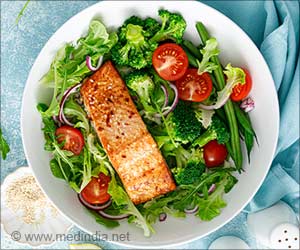
Consuming a healthy, fiber-rich diet during pregnancy can reduce serious conditions like preeclampsia, finds a new study.

Preeclampsia Associated With Increased Risk of Hypertension After pregnancy
Women diagnosed with severe preeclampsia during pregnancy remain at risk of developing hypertension after pregnancy
Women diagnosed with severe preeclampsia during pregnancy remain at risk of developing hypertension after pregnancy
TOP INSIGHT

A mother's gut bacteria and diet are crucial to promote a healthy pregnancy. Hence consuming a healthy, high-fiber diet might be the most effective primary prevention strategy for some of the most serious pregnancy-related condition like preeclampsia.
Read More..
Senior author of the study Professor Ralph Nanan said the simple recommendation to 'eat real food, mostly plants, and not too much' might be the most effective primary prevention strategy for some of the most serious conditions of our time.
"The mother's gut bacteria and diet appear to be crucial to promoting a healthy pregnancy," Professor Nanan, from the University of Sydney School of Medicine and Charles Perkins Centre, said.
Preeclampsia Risk In Mother Increased By Specific DNA Variants in Fetus
Presence of certain DNA variants in the baby can enhance the risk of preeclampsia in the mother during the pregnancy.
Presence of certain DNA variants in the baby can enhance the risk of preeclampsia in the mother during the pregnancy.
Preeclampsia occurs in up to 10 percent of pregnancies and is characterized by high blood pressure, protein in the urine, and severe swelling in the mother. It also interferes with the child's immune development while in the womb, with some evidence suggesting a link to higher rates of allergies and autoimmune disease later in life.

Preterm Preeclampsia Associated With Cardiovascular Mortality in Women With Single Child
Women with preterm preeclampsia with a single child are more prone to cardiovascular disease, according to recent research.
Women with preterm preeclampsia with a single child are more prone to cardiovascular disease, according to recent research.
Fetuses in preeclamptic pregnancies were found to have a much smaller thymus than children from healthy pregnancies.
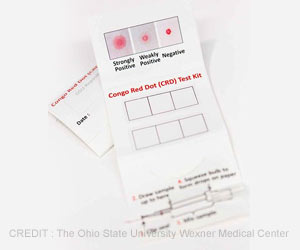
Simple Urine Test Can Detect Preeclampsia Much Faster
Simple urine test can rapidly identify pregnant women with preeclampsia, which is one of the world's deadliest pregnancy-related conditions. Discovery of this 'red dye-on paper' test can reduce illness and deaths among expecting mothers and their unborn children.
Simple urine test can rapidly identify pregnant women with preeclampsia, which is one of the world's deadliest pregnancy-related conditions. Discovery of this 'red dye-on paper' test can reduce illness and deaths among expecting mothers and their unborn children.
The mechanisms of acetate on the developing fetal immune system were further examined in separate experiments involving mice that showed acetate was central in driving fetal thymus and T cell development.
Together, these results showed that promoting specific metabolic products of gut bacteria during pregnancy might be an effective way to maintain a healthy pregnancy and to prevent allergies and autoimmune conditions later in life.
They may also, in part, explain the rapid increase of allergies and autoimmune conditions as Western diets are increasingly dominated by highly processed foods, which are very low in fiber.
"More studies are urgently needed to understand how we can best target this system to reduce the growing burden of immune-related diseases in the modern world," said co-author Peter Vuillermin, co-lead of the Barwon Infant Study, a major birth cohort study being conducted by the Child Health Research Unit at Barwon Health in collaboration with the Murdoch Children's Research Institute (MCRI) and Deakin University.
Source-Eurekalert
 Email
Email