MEDINDIA
 English
 हिन्दी
 Español
 français
 中文
中文
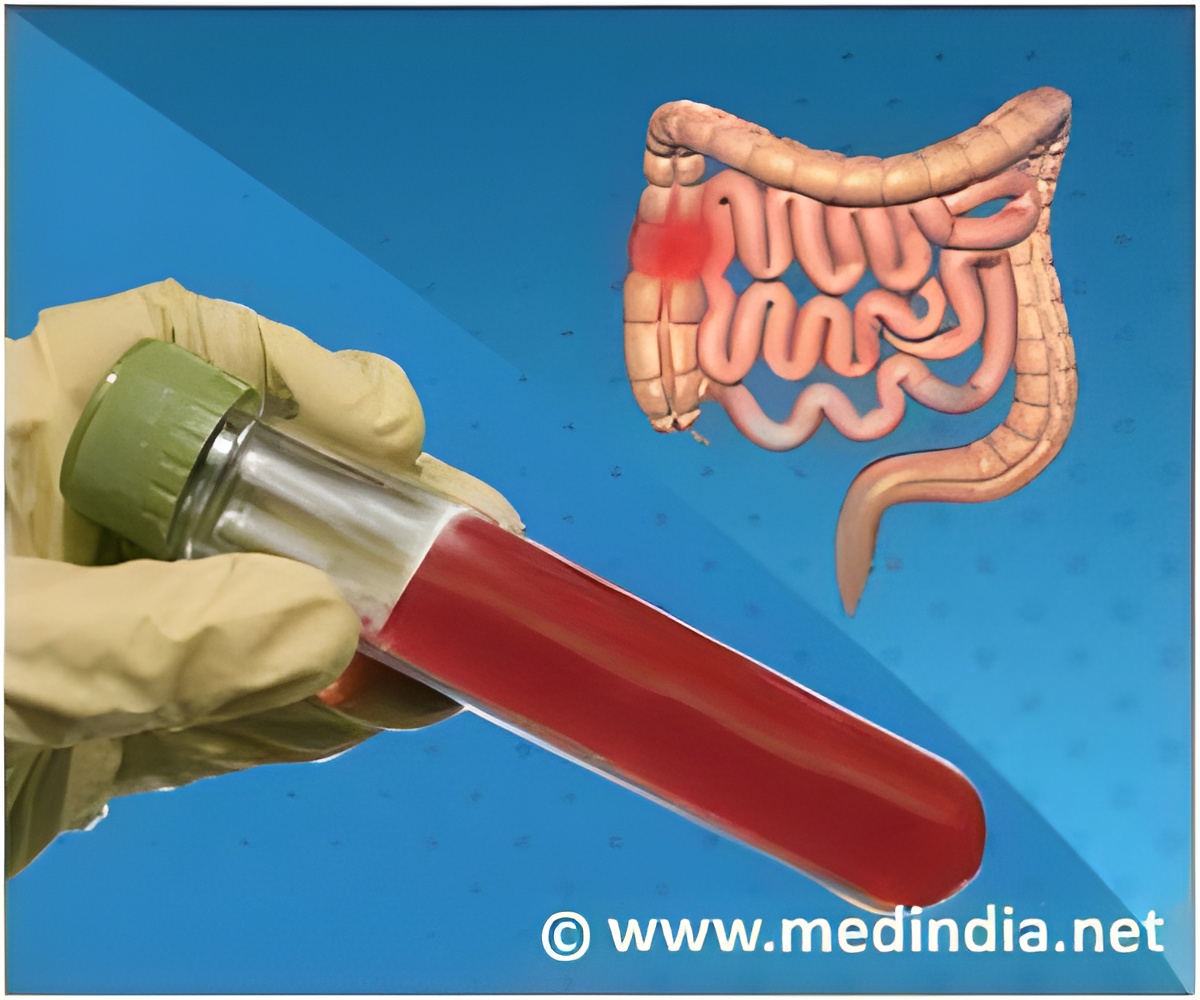
Colorectal cancer means cancer of the large intestine with symptoms of constipation and stools mixed with blood. The improved Septin 9 methylated DNA blood test is 90% sensitive and 88.7% specific.

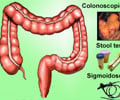
Colo-rectal Cancer - Management
Treatment for Colorectal Cancers may involve surgery,chemotherapy, radiation therapy or biological therapy. Some people require a combination of treatments.
Treatment for Colorectal Cancers may involve surgery,chemotherapy, radiation therapy or biological therapy. Some people require a combination of treatments.
In a study conducted in United States plasma samples were collected from a number of patients with or without colorectal cancer. SEPT9 methylated DNA concentration was tested in these specimens.
The results showed that the improved SEPT9 methylated DNA test was more sensitive than other methods; the test had an overall sensitivity for CRC of 90% and specificity of 88%, detecting CRC in patients of all stages of the cancer. For early stage cancer (I and II), the test was 87% sensitive.
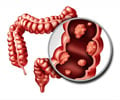
Colorectal Cancer - Types, Causes, Risk Factors, Symptoms, Diagnosis, Treatment, Prognosis & Prevention
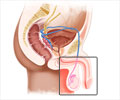
Colorectal cancer is a cancer that starts in the colon or the rectum. Colorectal cancer is the third most common cancer in men.
Colorectal cancer is a cancer that starts in the colon or the rectum. Colorectal cancer is the third most common cancer in men.
In a small prospective study, the SEPT9 test detected 12% of adenomas with a false-positive rate of 3%. The adenoma detection rate was very low with this test; more than half of the subjects in the study with detectable SEPT9 were found to possess an adenoma or other polyp by colonoscopy.
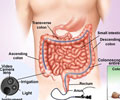
Colorectal Cancer Screening with Colonoscopy
Colonoscopy is a widely used endoscopic procedure to screen individuals for colorectal cancer. It is very sensitive in detecting colorectal cancers.
Colonoscopy is a widely used endoscopic procedure to screen individuals for colorectal cancer. It is very sensitive in detecting colorectal cancers.
Reference: Septin 9 methylated DNA is a sensitive and specific blood test for colorectal cancer; Jorja D Warren et al; BMC Medicine 2011.
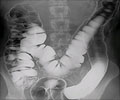
Colorectal Cancer Screening with Double-Contrast Barium Enema
Double-contrast barium enema is a radiological technique that can be used to screen individuals for colorectal cancer and is performed when colonoscopy is not possible.
Double-contrast barium enema is a radiological technique that can be used to screen individuals for colorectal cancer and is performed when colonoscopy is not possible.
 Email
Email