MEDINDIA
 English
 हिन्दी
 Español
 français
 中文
中文
Live Donor Kidney Transplantation results can be improved by pretreatment with plasmapheresis and immune globulins prior to transplantation.
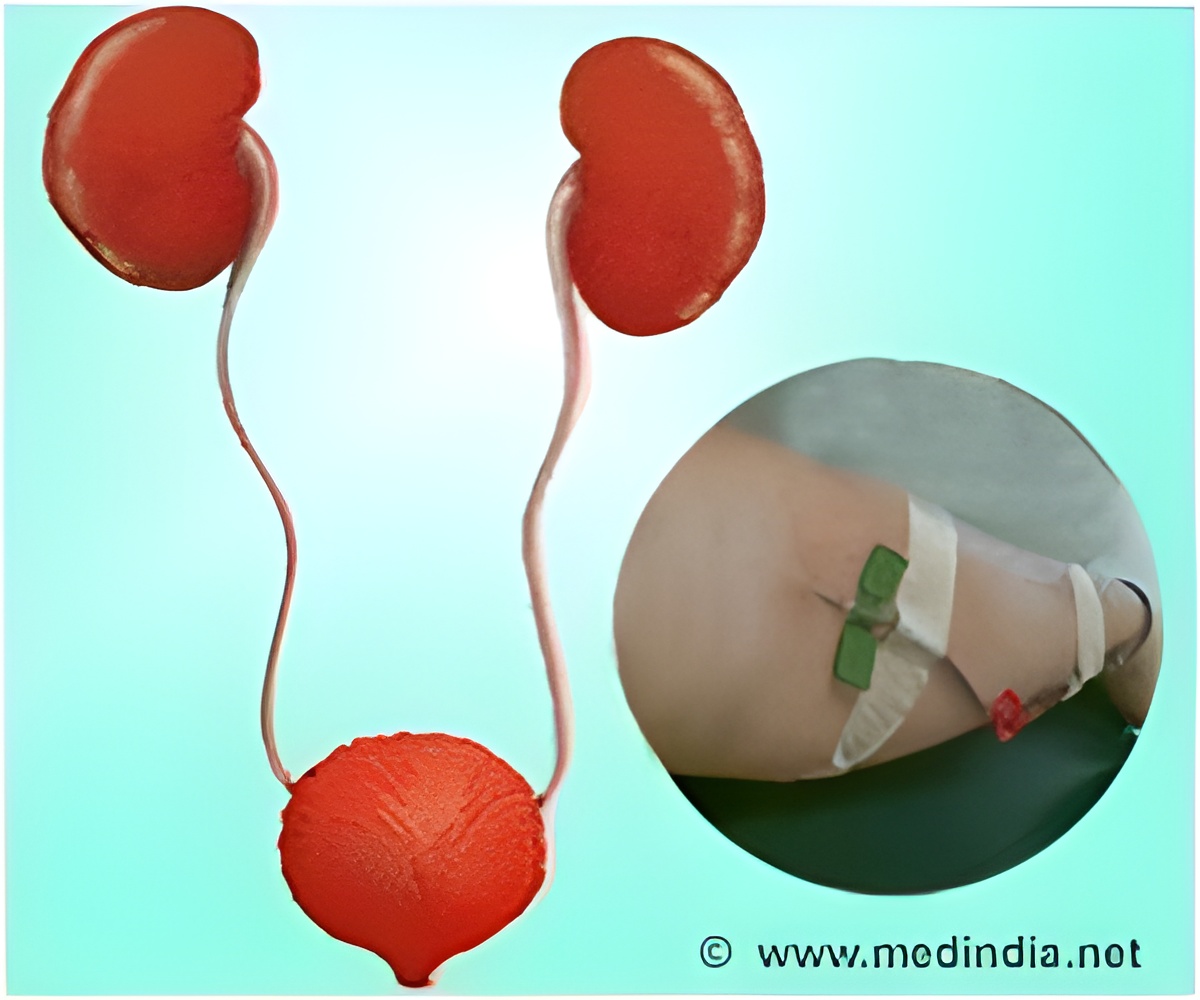

Kidney Transplantation - Causes of Renal failure
Kidney transplantation is the transfer of a healthy kidney from one individual (donor) to another (recipient) through a specialized surgery.
Kidney transplantation is the transfer of a healthy kidney from one individual (donor) to another (recipient) through a specialized surgery.
The researchers found that with this approach, the survival rates in the kidney transplant patients were 90.6% at 1 year, 85.7% at 3 years, 80.6% at 5 years and 79.7% at 8 years. The survival rate at 3, 5 and 8 years was much better than patients who continued on dialysis (dialysis-only group) or those receiving dialysis, some of whom underwent transplantation with an HLA-compatible kidney during the study (dialysis-or-transplantation group).
In the study, the plasmapheresis procedure was associated with minor adverse effects. Anaphylaxis or a severe allergic reaction occurred in 3 patients. Some patients suffered from excessive bleeding, which could have been associated with plasmapheresis.

Dialysis - Hemodialysis, Peritoneal Dialysis and Role of Diet and Drugs
Dialysis is an artificial process for removing excess water and waste from the blood. Hemodialysis and peritoneal dialysis are the types of dialysis.
Dialysis is an artificial process for removing excess water and waste from the blood. Hemodialysis and peritoneal dialysis are the types of dialysis.
This research thus provides good news for patients who have a willing but non-matching donor. The desensitization procedure will permit such transplantations and hopefully reduce the waiting list of people in need of a matched kidney transplant.
Reference:
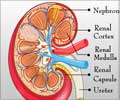
Acute Renal (Kidney) Failure- Causes, Symptoms, Diagnosis, Treatment and Complications
Acute renal failure is the sudden cessation of the functioning of kidneys, that can be due to reduced renal blood flow, damage to renal tissues.
Acute renal failure is the sudden cessation of the functioning of kidneys, that can be due to reduced renal blood flow, damage to renal tissues.
Source-Medindia
 Email
Email